
















Microneedling gets talked about like a magic fix sometimes. It isn’t. But it is one of those treatments that makes sense once you understand the biology behind it.
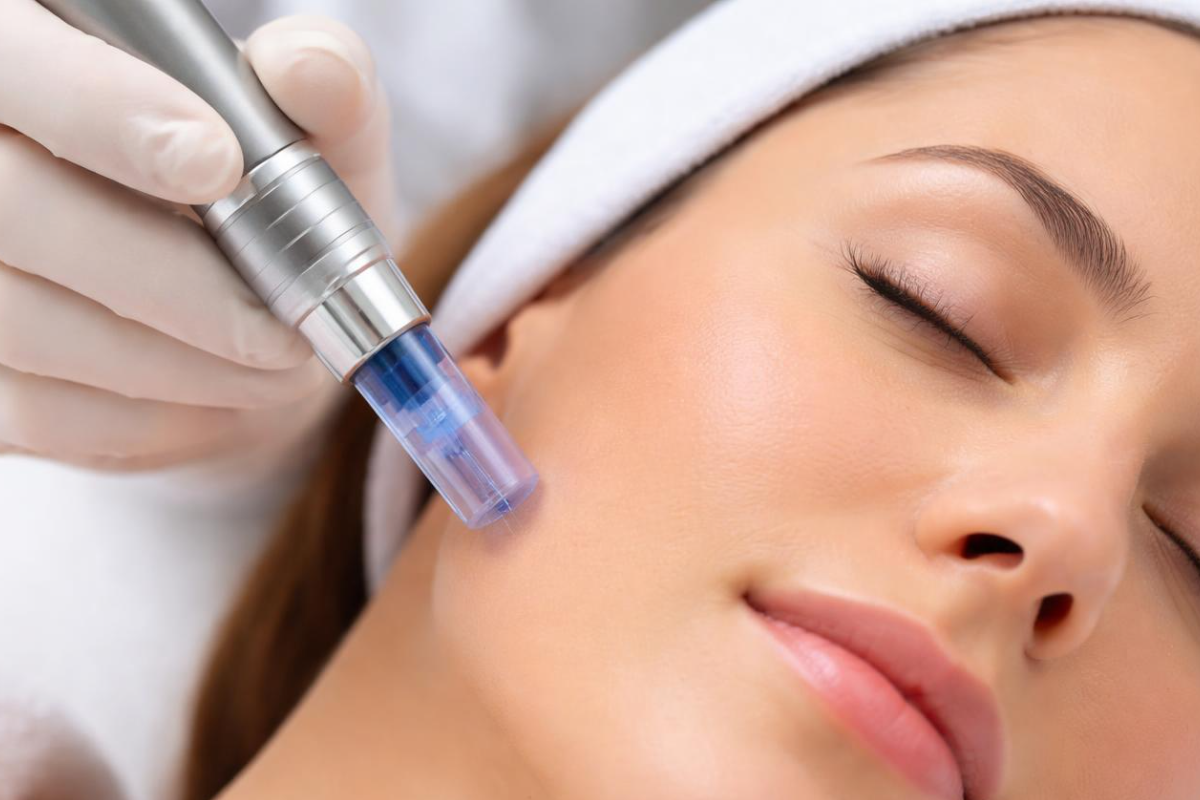
At its core, microneedling is a minimally invasive skin treatment that creates tiny, controlled injuries in the skin using fine, sterile needles. That sounds harsher than it feels in practice. The point is not to damage the skin in a reckless way. The point is to trigger repair. When skin repairs itself, it builds fresh collagen and elastin, two proteins that help keep it firm, smooth, and resilient.
That repair process is why microneedling is often used for fine lines, wrinkles, acne scars, some surgical scars, uneven texture, and stretch marks. It can also improve overall tone and make skin look smoother and healthier. The catch is simple: it works best when it’s done properly, by a qualified professional, with realistic expectations.
What microneedling actually does to the skin
The idea behind microneedling is pretty straightforward. A device with very small needles makes controlled micro-injuries in the upper layers of the skin. Your body responds the way it always does to tiny injuries: it starts a healing process.
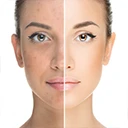
That healing response includes increased production of collagen and elastin. Over time, those changes can help the skin look firmer and feel more even. If your skin has shallow acne scarring, rough texture, or fine creases, that remodeling can make a noticeable difference.
I think this is why microneedling has stayed popular while a lot of trendier treatments come and go. It’s not trying to trick the skin. It’s asking the skin to do what it already knows how to do, just in a controlled way.
Still, “natural” doesn’t mean casual. Needle depth, treatment area, and skin condition matter a lot. The face, for example, is not treated the same way as the neck, body, or areas with scarring. That’s one reason professional assessment matters.
A typical microneedling appointment, step by step
If you’ve never had microneedling before, the process is usually less dramatic than people expect.
1. Skin prep
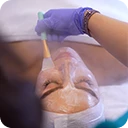
The treatment starts with a thorough cleanse. The goal is to remove oil, makeup, sunscreen, and anything that could interfere with the procedure.
Many providers then apply a topical numbing cream. Not everyone needs it for every area, but it’s common, especially for the face or when deeper treatment is planned for scars. Microneedling is usually described as uncomfortable rather than painful. The numbing step helps keep it manageable.
2. The treatment itself
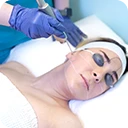
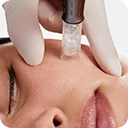
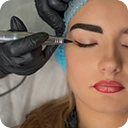
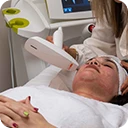
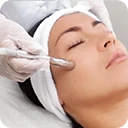
Once the skin is prepared, the provider uses a microneedling device to pass across the treatment area. Needle depth can be adjusted based on what’s being treated. Fine lines and general skin rejuvenation often need a different approach than acne scars or stretch marks.
This is an important point people sometimes miss. Deeper is not automatically better. The right depth depends on your skin, your goals, and the area being treated. A skilled provider chooses settings with intention, not guesswork.
During treatment, the skin may look pink or red, a bit like a sunburn. Some pinpoint bleeding can happen, especially with deeper settings. That can sound alarming if you’ve only seen polished social media clips, but in a clinical setting it can be a normal part of the process.
3. Immediate post-treatment care
After the needling is done, a soothing serum or moisturizer is often applied. The focus at this stage is calming the skin and supporting the early healing response.
Your face may feel warm, tight, or sensitive for the rest of the day. Some people look mildly flushed. Others look more red, especially if they have reactive skin.
What microneedling can help improve
Microneedling is versatile, but it’s not one-size-fits-all. It tends to be most helpful for concerns linked to texture and mild to moderate structural changes in the skin.
Fine lines and early wrinkles
Because microneedling can stimulate collagen production, it’s often used for fine lines around the eyes, mouth, and forehead. It won’t freeze movement or act like a surgical lift. That’s not its job. What it can do is help the skin look smoother and a bit firmer over time.
Acne scars
This is one of the most common reasons people look into microneedling. Rolling and shallow boxcar scars often respond better than very deep or sharply defined scars. Improvement usually happens gradually over a series of sessions rather than after one appointment.
If you’ve had acne scarring for years, that slow improvement can still feel significant. Even softening the edges of scars can change how the skin catches light, and that alone can make the skin look more even.
Surgical scars and stretch marks
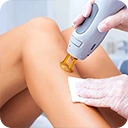
Microneedling is also used on parts of the body beyond the face. Surgical scars and stretch marks can sometimes improve with repeated treatments, though body areas often need patience. These changes usually develop slowly, not overnight.
Texture and tone
Some people don’t have a single “problem” they want fixed. Their skin just feels rough, dull, or uneven. Microneedling can help with that too. When it works well, the effect is less about looking transformed and more about skin looking fresher and more refined.
The benefits people often notice
The big headline is collagen stimulation, but that phrase can feel abstract. In daily life, the benefits are usually noticed in more practical ways.
People often report:
-
smoother skin texture
-
softer-looking fine lines
-
firmer-feeling skin
-
more even tone
-
less visible acne or surgical scarring
-
a healthier overall look to the skin
That said, microneedling asks for patience. Results do not peak the next morning. Some people like the short-term “glow” after the initial redness settles, but the deeper changes take time because collagen remodeling takes time. Weeks, not hours.
This is where expectations matter. If you want a treatment that gives immediate dramatic lifting, microneedling may not be your first choice. If you want gradual skin rejuvenation with relatively little downtime, it makes a lot more sense.
Side effects, risks, and what is actually normal
Most people tolerate microneedling well, but “minimally invasive” doesn’t mean “nothing can go wrong.”
Common temporary effects include:
-
redness
-
mild swelling
-
a warm or tight feeling
-
light bruising, especially if your skin is sensitive
-
peeling or flaking as the skin heals
These effects usually settle within a day or two, though some peeling or dryness can last a bit longer. Sensitive skin may stay pink for several days.
There is also a small risk of infection. That risk stays low when treatment is done with sterile equipment, proper technique, and good aftercare. It goes up when people treat at home too aggressively, touch their skin with unwashed hands, or use irritating products too soon.
Less commonly, people may have prolonged irritation, worsening of underlying skin conditions, or pigment changes, especially if skin is exposed to too much sun during healing. That’s one reason aftercare is not optional.
What recovery looks like in the first few days
One of microneedling’s biggest draws is the relatively short recovery. Many people return to normal routines within a couple of days. But “normal” should still include some caution.
The first 24 to 48 hours
Your skin may feel hot, tight, or sensitive. Redness is normal. It often looks like a moderate sunburn. Some swelling can happen too.
During this period, gentle care matters most. Think bland, soothing, and clean. This is not the time to experiment with a new active serum because someone online called it a game changer.
The next several days
As the skin starts to recover, you may notice dryness, roughness, or light flaking. That doesn’t mean the treatment failed. It usually means the skin is moving through its repair cycle.
Makeup may need to wait, depending on your provider’s instructions and how your skin looks. Exercise, saunas, and anything that makes your face very hot may also be limited for a short period.
Aftercare that actually helps
Good aftercare is simple, but simple doesn’t mean unimportant.
For about a week after treatment, most people are advised to:
-
avoid direct sun exposure as much as possible
-
wear sunscreen consistently
-
use a gentle cleanser and moisturizer
-
skip retinols, exfoliating acids, and scrubs
-
avoid picking at peeling or flaking skin
-
stay hydrated
That sun piece is worth repeating. Freshly treated skin is more vulnerable, and UV exposure can make irritation and pigment problems more likely. If you tend to be casual about sunscreen, this is the week to stop doing that.
A lot of people also ask when they can restart stronger skincare. The answer depends on how your skin is healing. Some can return to actives after several days. Others need longer. This is where individualized advice beats generic internet timelines.
Who is a good candidate, and who should pause
Microneedling can work for many skin types and concerns, but it is not right for everyone at every moment.
You may be a good candidate if you want help with:
-
fine lines
-
mild to moderate acne scarring
-
rough texture
-
uneven tone
-
some surgical scars
-
stretch marks
You may need to postpone or avoid treatment if you have:
-
active acne breakouts in the treatment area
-
an active skin infection
-
sunburn
-
eczema, dermatitis, or psoriasis flare-ups
-
a history of poor wound healing or certain scar disorders
-
recent use of medications or treatments that make skin unusually fragile
This is exactly why a consultation matters. A qualified professional can look at your skin, ask the right medical questions, and tell you whether microneedling is appropriate now, later, or not at all.
Professional microneedling versus at-home rollers
This is one area where I think people underestimate the difference.
At-home rollers and stamps are widely sold, but they are not the same as professional microneedling. Professional devices use sterile components, precise needle depths, and controlled technique. Home tools are usually shallower and far less consistent. Used carelessly, they can irritate the skin, spread bacteria, and create more problems than they solve.
That doesn’t mean every home device is inherently terrible. It means the margin for user error is bigger than people think, and the payoff is often much smaller than the marketing suggests.
For anything involving acne scars, deeper wrinkles, stretch marks, or a real skin rejuvenation plan, professional treatment is the safer and more effective route.
How many sessions do people usually need?
This depends on the goal.
Someone seeking a general refresh in skin texture may notice improvement after one session, but collagen-based changes often build over a series. Scar treatment usually takes multiple appointments spaced several weeks apart. Stretch marks and deeper textural issues often need more time and more patience.
That answer can be annoying because it isn’t neat. But skin repair is rarely neat. It’s gradual. That’s true even when a treatment works well.
If a provider promises dramatic correction after one session for every concern, I’d be skeptical.
Questions worth asking before booking
A good consultation should feel specific to your skin, not like a script. Before moving ahead, it helps to ask:
-
Who will perform the treatment, and what are their credentials?
-
Is microneedling a good match for my skin type and concerns?
-
What needle depth or approach do you expect to use?
-
How many sessions might I need?
-
What side effects are most likely for me?
-
What should I avoid before and after treatment?
-
When can I restart my usual skincare products?
These questions are not overkill. They’re basic due diligence.
The bottom line
Microneedling is a useful option for people who want gradual, collagen-driven improvement in skin texture, tone, and firmness. It can help soften fine lines, improve the appearance of acne scars and some surgical scars, and make skin look smoother overall. The treatment is minimally invasive, recovery is usually short, and many people fit it into normal life without much disruption.
But it still deserves respect. Needles, healing, and skin barrier recovery are not things to treat casually. Results depend on the right candidate, the right technique, and the right aftercare.
If you’re considering microneedling, the smartest next step is simple: talk to a licensed skincare professional who can assess your skin, explain what is realistic, and make sure the plan fits your needs. That’s less exciting than a before-and-after reel. It’s also how you avoid a lot of regret.