










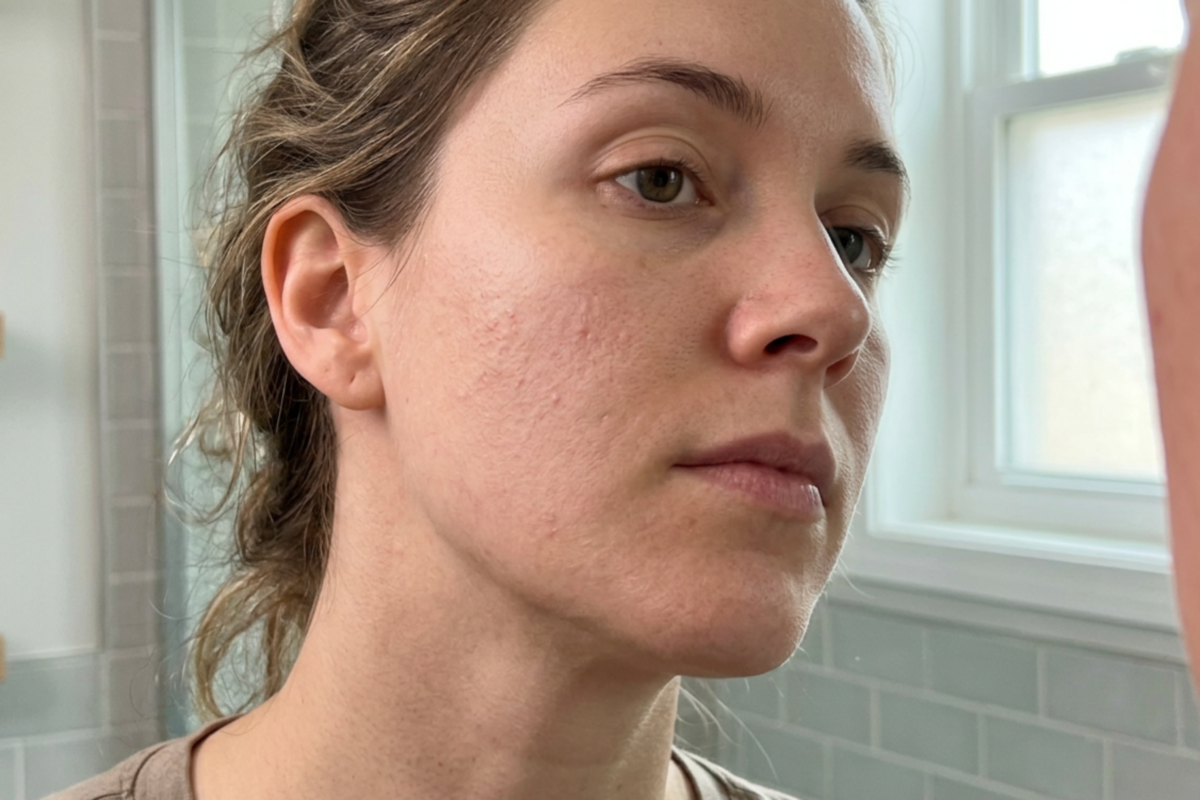
You invested time, money, and probably a fair bit of hope into a skin treatment. Then you look closely in the mirror and spot tiny bumps. Maybe they are flesh-colored, maybe slightly red, maybe they feel rougher than they look. It is an unsettling moment, especially when you expected smoother, clearer skin.
The reassuring news is that small bumps after a cosmetic procedure are often temporary. The less reassuring news is that “often” is not the same as “always.” The right response depends on what treatment you had, when the bumps appeared, where they are located, and whether other symptoms are present.
For people in Vancouver, skin can also deal with an awkward seasonal rhythm. Cool, damp outdoor weather may make the skin feel calm or less dry, while indoor heating can leave it tight and depleted. It is understandable to reach for thicker creams, facial oils, balms, or sleeping masks. After a procedure, though, products that normally feel comforting can sometimes trap heat, sweat, dead skin cells, or oil in ways that lead to congestion.
Here is how to make sense of post-treatment bumps, what you can safely do at home, and when it is time to contact the provider who performed your treatment.
First, identify what “bumps” actually means
Tiny bumps are not one single reaction. They can have several causes, and their appearance offers useful clues.
Small, uniform, skin-colored bumps that make the skin feel grainy may be clogged pores or temporary congestion. These are common after treatments that involve rich post-procedure ointments, occlusive sunscreen, sweating, or a pause in exfoliating products.
Red bumps around hair follicles are often related to follicular irritation. This can occur after laser hair removal, waxing, shaving, or treatments that create friction and warmth around the follicles. The bumps may resemble a mild rash or very small pimples.
White, firm pinhead-sized bumps can be milia. Milia are tiny keratin-filled cysts that can appear when the skin’s normal shedding process is disrupted. They are common around the cheeks and eye area, especially if thick ointments or creams have been used repeatedly.
A breakout may also happen after a treatment. This does not necessarily mean the procedure “caused acne.” Skin may react to heavy products, skipped cleansing, pressure from masks or helmets, hormonal timing, or a change in routine while recovering.
Then there are reactions that deserve more caution. Bumps that become increasingly painful, hot, swollen, crusted, blistered, or filled with pus should be assessed. So should a rapidly spreading rash, facial swelling, hives, trouble breathing, or swelling near the eyes. Those symptoms are not something to monitor casually at home.
Why bumps can happen after professional treatments
Many skin rejuvenation treatments deliberately create a controlled change in the skin. Depending on the procedure, that might mean heat, light, exfoliation, micro-injury, hydration, or stimulation of the hair follicle. The skin responds by sending blood flow, inflammatory cells, and repair signals to the area.
That repair response can look a little messy before it settles.
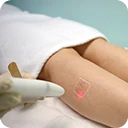
For example, after laser hair removal, temporary redness and swelling around individual follicles can resemble goosebumps. This is called perifollicular edema, and it is a common short-term response to laser energy. It usually appears soon after the appointment and often improves within hours to a couple of days.
After treatments that exfoliate or resurface the skin, tiny bumps may appear as dead skin cells loosen and the skin barrier rebuilds. The temptation is to scrub them away. Resist it. Scrubbing, picking, or introducing strong acids too soon can turn a mild reaction into irritation that lasts longer.
After a facial, peel, or treatment involving facial massage, some people notice congestion in areas where they are already prone to clogged pores. This is especially likely when a heavier finishing product is used to protect dry or sensitive skin. A rich balm may be completely appropriate immediately after a procedure, yet still be too much for someone who develops congestion easily.
There is also a practical issue: post-treatment care can be confusing. A person may hear “keep your skin hydrated” and interpret that as layering multiple serums, cream, oil, and an overnight mask. Skin hydration matters, but more product is not always better. A simple routine is usually easier for healing skin to tolerate.
Vancouver weather can complicate aftercare
Vancouver’s climate is not harsh in the same way as a very cold, dry winter city. Still, the shift between wet outdoor air and heated indoor spaces can be hard on the skin barrier. Skin that feels dry indoors may prompt people to use heavier moisturizers, slugging products, or ointments that create a seal over the skin.
Those products are not inherently bad. Petrolatum-based ointments, for example, can be very useful after certain procedures when a provider recommends them. But the timing, amount, and treatment type matter.
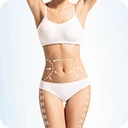
After laser hair removal on the face, chest, or back, a thick layer of oil or balm can feel uncomfortable if the area is warm and the follicles are already irritated. After a treatment that has left the skin more sensitive, fragranced oils and complicated active-heavy routines can sting or cause contact irritation. After body contouring treatments, friction from tight clothing, sweaty workouts, or heavily fragranced body products may aggravate already sensitive skin.
The useful question is not, “Is this product good?” It is, “Is this the right product for my skin during this particular recovery period?”
Temporary bumps versus a reaction that needs attention
Timing helps separate an expected response from something that warrants a call.
Bumps that appear immediately or within a few hours after laser hair removal may be temporary follicle swelling, particularly if they are centered on the hairs and come with mild redness. Cool compresses and the aftercare plan provided by the treatment professional are often enough.
Bumps that appear one to three days later may relate to sweat, friction, product buildup, shaving, or irritation. For areas treated with laser hair removal, avoid picking or trying to exfoliate the bumps aggressively. Hair follicles can stay sensitive for several days.
Bumps that keep worsening after several days, spread beyond the treated area, or become painful are different. A provider may want to rule out folliculitis, allergic contact dermatitis, acne flare-ups, or another complication. A correction visit is not always needed, but an assessment can prevent guesswork.
Contact the treatment provider promptly if you notice:
-
Increasing pain, heat, swelling, blisters, or open skin
-
Pus, yellow crusting, or a rash that expands beyond the treatment area
-
Severe itching, hives, facial swelling, or any breathing difficulty
-
Darkening, whitening, or unusual color changes in the skin
-
Symptoms that do not begin to improve within the recovery window you were given
If you develop trouble breathing, swelling of the lips or tongue, or rapidly spreading hives, seek urgent medical care.
What to do when the bumps are mild
When bumps are minor and you otherwise feel well, the safest approach is often boring. That is a compliment. Healing skin generally prefers calm, uncomplicated care.
Start by reviewing the aftercare instructions from your appointment. Different procedures have different rules. A gentle cleanser may be appropriate after one treatment, while another may require avoiding water, makeup, or certain products for a specific period.
Keep the routine simple for a few days. Use a mild cleanser if cleansing is permitted, apply only the moisturizer or recovery product recommended for your treatment, and use sunscreen when your provider has cleared it. Avoid scrubs, retinoids, benzoyl peroxide, exfoliating acids, fragranced products, and new serums until the skin has settled.
For warmth and mild swelling, a clean cool compress can feel good. Do not apply ice directly to the skin. Wrap it in a soft, clean cloth and keep the contact brief.
It also helps to reduce heat and friction. Skip hot yoga, saunas, steam rooms, very hot showers, and intense workouts if they are on your aftercare restriction list. Wear loose, clean clothing after body treatments or laser hair removal. Change out of sweaty clothes promptly.
Most importantly, do not squeeze the bumps. Even tiny bumps can become inflamed when squeezed, and post-treatment skin may be more vulnerable to marks or infection. The urge to “fix” every bump is real. It is also one of the fastest ways to make a small issue look worse.
Avoid assuming every bump is a “purge”
The word “purging” gets used far too loosely in skin care conversations. A true purge usually refers to an increase in breakouts after starting an ingredient that speeds up cell turnover, such as a retinoid or certain exfoliating acids. It tends to occur where you normally get acne and should improve over time.
A new cluster of bumps after a procedure is not automatically purging. It may be irritation, follicle inflammation, product-related congestion, or an allergic response. Calling every reaction a purge can delay appropriate care.
If the bumps are in unusual places, itch intensely, burn, or continue spreading, treat that as a reason to check in. You do not need to diagnose it yourself before contacting a beauty clinic or health professional. Clear photos, the date of treatment, a list of products used afterward, and a description of symptoms are usually enough to start the conversation.
Questions to ask before rebooking or requesting a correction
A correction visit may be helpful when a treatment outcome needs review, but it is wise not to rush into another procedure while the skin is irritated. More treatment is not automatically the answer to a reaction.
Before rebooking, ask what type of bumps the provider believes you have and whether they are expected for that treatment. Ask whether the recommended aftercare products are suitable for acne-prone or congestion-prone skin. If you had laser hair removal, ask when it is safe to shave, exercise, exfoliate, or use active skin care again.
You can also ask whether a patch test, adjusted treatment settings, a different post-treatment product, or a modified treatment schedule makes sense next time. These are normal questions. Good wellness consultations are not only about selecting a procedure. They should also cover what your skin does afterward.
If you have a history of eczema, rosacea, acne, folliculitis, cold sores, allergies, or post-inflammatory hyperpigmentation, mention it before future treatments. This information can affect preparation and aftercare.
A practical approach for future appointments
The best way to handle post-treatment bumps is to make them less likely in the first place. Keep a short record after each appointment: the treatment date, area treated, products used, activities such as workouts or sauna visits, and when symptoms appeared. Photos taken in natural light can be useful too.
This record can reveal patterns. Perhaps bumps only occur after a heavy recovery balm. Maybe they show up after a workout on the same day as laser hair removal. Maybe the issue is limited to a certain body area where clothing rubs. Skin is individual, and patterns are more useful than generic advice.
Tiny bumps after a treatment can feel disproportionally upsetting because they appear right after you have spent money on your skin. In many cases, they settle with time, gentle care, and fewer products. But pain, spreading redness, blisters, persistent bumps, or signs of infection deserve a real assessment. When in doubt, contact the provider who performed the treatment rather than experimenting with harsh products at home.