
























Spring Skin Prep: Your Guide to Summer Radiance in Vancouver
March 22, 2026
How Chiropractic Care Can Help Relieve Back Pain
March 31, 2026
If you’re thinking about radio frequency skin tightening, or you’ve already booked a session, the question is usually pretty simple: what happens next?
That’s a fair question. A lot of aesthetic treatments sound straightforward until you’re the one sitting in the chair wondering whether your skin will be red tomorrow, whether one session is enough, and whether the results will actually look natural. With radio frequency, often called RF skin tightening, the short answer is reassuring. It’s a non-invasive treatment with very little downtime, and the changes tend to build gradually rather than all at once.
That gradual part matters. RF is not the kind of treatment where you walk out looking like a different person. Most people prefer that, honestly. The goal is usually firmer skin, smoother texture, and a subtle lift that looks like your skin is behaving a little better, not like you’ve done something drastic.
Here’s what the treatment does, what a session feels like, what the first few days are usually like, and how to take care of your skin so you get the best possible result.
What RF skin tightening actually does
Radio frequency skin tightening uses controlled heat to warm the deeper layers of the skin. That heat matters because it stimulates collagen and elastin production.
Collagen gives skin structure. Elastin helps it bounce back. As both decline with age, skin can start to feel thinner, looser, or less springy than it used to. RF treatment doesn’t replace surgery, and it won’t create overnight change, but it can encourage the skin’s own repair process to work harder.
That’s why RF is often grouped under skin rejuvenation treatments. The aim is not only tighter-looking skin, but also better texture and a firmer feel over time.
Common treatment areas include:
-
face
-
jawline
-
neck
-
arms
-
abdomen
-
thighs
Some people choose it because they want a non-surgical option. Others just don’t want much downtime. That’s probably the biggest practical advantage. You can usually return to normal daily activities quickly, which is not true for every cosmetic procedure.
Why people choose RF over more invasive options
There’s a reason RF keeps showing up in conversations about aesthetic care. It sits in that middle ground that many people are looking for. It’s more than a basic facial, less than surgery, and often easier to fit into real life.
A few things make it appealing.
First, it’s non-invasive. There are no incisions and usually no long recovery period. For people who want improvement without stepping into surgical territory, that’s a big part of the appeal.
Second, the results tend to look natural. I think this is one of the strongest points in its favor. Because the skin is responding through its own collagen remodeling, the changes usually come in slowly. Friends may say you look well-rested or a bit fresher, not “What did you have done?”
Third, it’s versatile. RF can be used on several parts of the body, not just the face. If someone is bothered by mild skin laxity on the neck, upper arms, or abdomen, this can be an option worth discussing.
And finally, it pairs well with a good skincare routine. It won’t replace sunscreen, hydration, or consistent topical care, but it can work alongside those habits.
How to prepare before your treatment
The prep for RF skin tightening is usually simple, but it still matters.
Start with a proper consultation
Before treatment, a provider should review your medical history, medications, skin concerns, and goals. This is where they figure out whether RF is appropriate for you and whether there are reasons to delay treatment.
That conversation is also where expectations get more realistic, which is a good thing. If your skin laxity is mild to moderate, RF may be a sensible option. If your expectations are closer to surgical lifting, it helps to know early that the result will be more subtle.
Adjust your skincare for a few days
In the days leading up to treatment, skin is usually better off when it’s calm and hydrated. Many providers recommend avoiding strong exfoliants, harsh acids, retinoids, or anything else that leaves your skin irritated.
If your skin already feels dry, tight, or overworked, tell your provider. You don’t get extra credit for pushing through irritation.
Be careful with sun exposure
Sunburned or recently overexposed skin is not ideal before an RF session. Daily sunscreen and limiting intense sun exposure are smart steps. This continues after treatment too, maybe even more so.
Arrive with questions
This part gets overlooked. Ask how many sessions are commonly recommended, what you might feel during treatment, what your recovery is likely to look like, and when results usually show up. A good consultation should leave you less confused, not more.
What happens during an RF skin tightening session
The treatment itself is usually pretty straightforward.
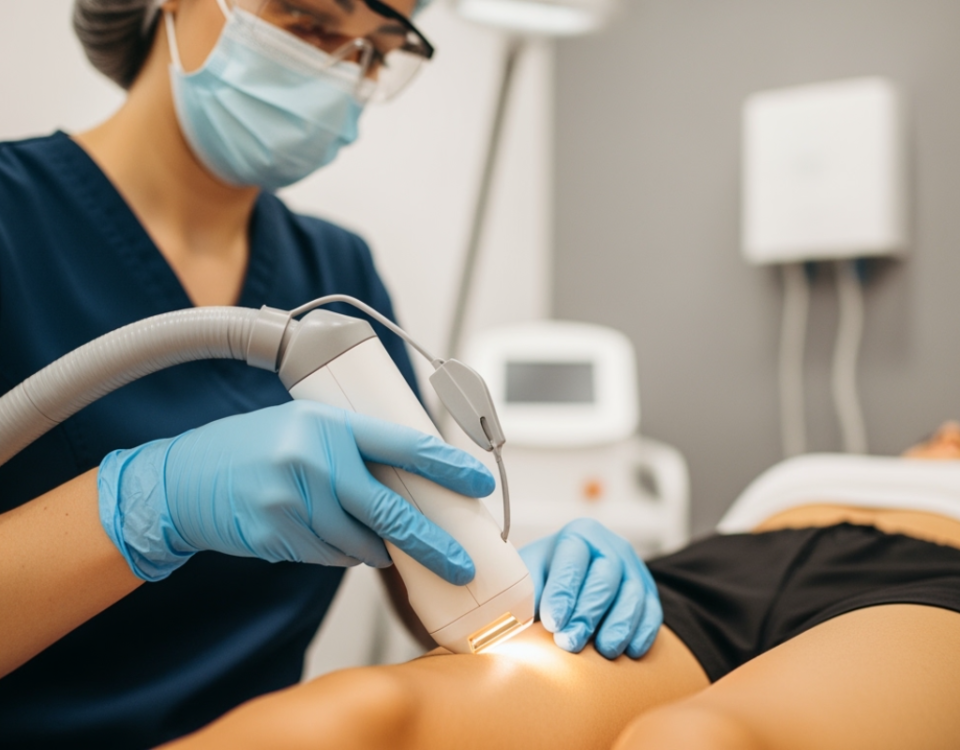
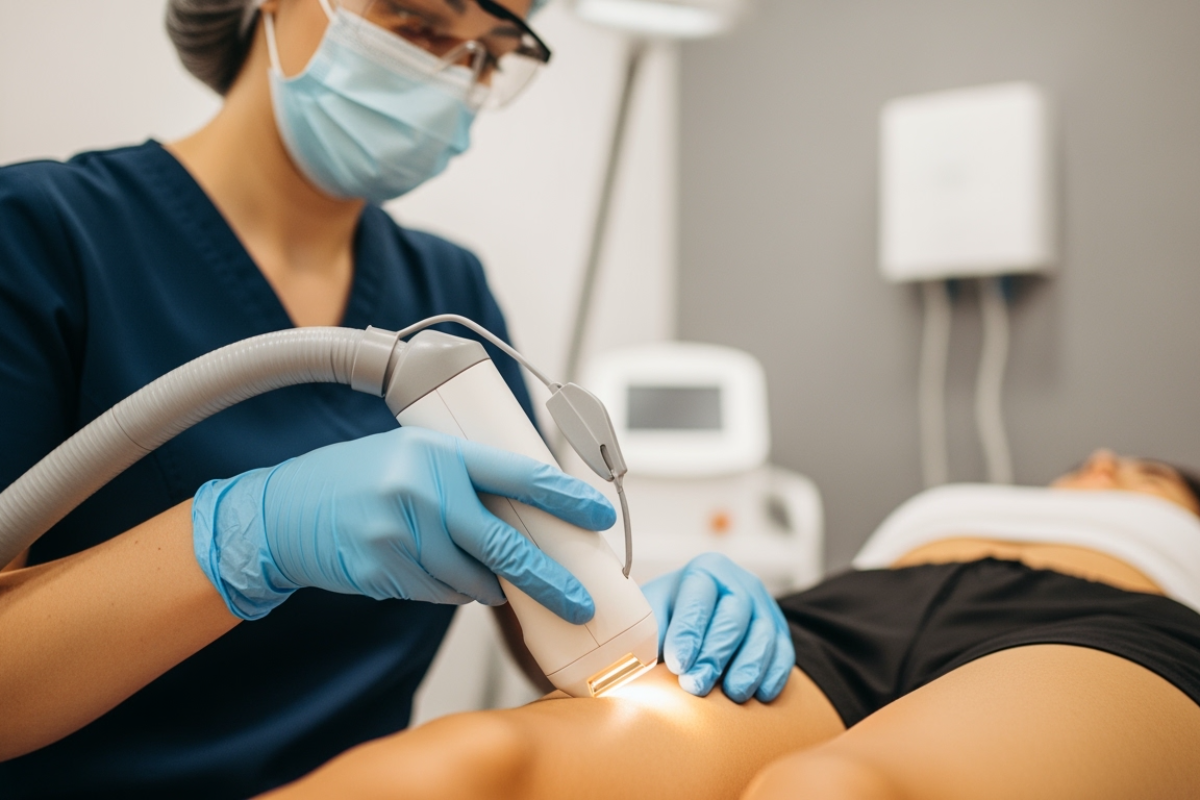
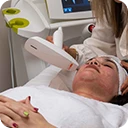
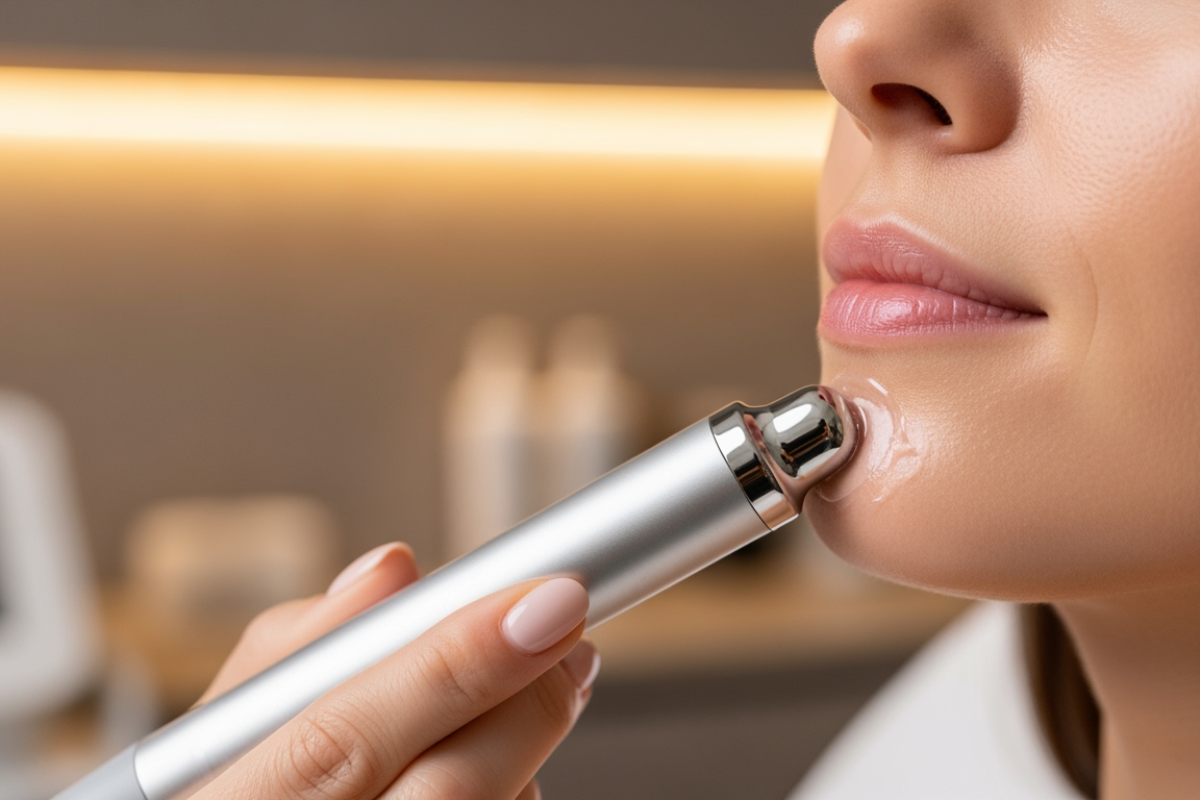
Your skin is cleansed first. A conductive gel may be applied so the device can move smoothly and deliver energy evenly. Then the practitioner uses a handheld RF device over the treatment area, adjusting the settings based on your skin type, the location being treated, and your comfort level.
Most people describe the sensation as warm, not sharp. It’s often compared to a hot stone massage or a heated facial tool. You may feel areas that are more sensitive than others, especially around thinner skin, but the treatment is generally well tolerated.
Session length depends on the area. A smaller area like the face may take around 30 minutes. Larger areas, such as the abdomen or thighs, can take an hour or more.
During the session, communication matters. If something feels too intense, say so. A tailored treatment is part of safe treatment.
What your skin may look and feel like right after
Right after RF, the most common effects are mild redness and slight swelling. For many people, it looks a bit like a light sunburn. The skin may feel warm, a little flushed, or mildly sensitive to touch.
That sounds dramatic on paper, but it usually isn’t. In most cases, these effects fade within a few hours to a couple of days.
Some providers use cooling or soothing products immediately after treatment. That can make the skin feel calmer quite quickly.
The first 24 to 48 hours are usually more about protecting the skin than “recovering” in the traditional sense. You’re not likely to be stuck at home, but your skin does appreciate a gentle approach.
Here’s what that often looks like:
-
keep the skin hydrated
-
use mild, fragrance-free products
-
avoid harsh scrubs, exfoliants, and active ingredients if your provider advises it
-
wear broad-spectrum sunscreen
-
skip excessive heat exposure, such as very hot showers or long time in direct sun, if your skin feels reactive
If you have an event that same day, some people are perfectly fine attending one. Others prefer to give the redness a little time to settle. That depends on your skin and how it tends to react.
The first few weeks: when results start to show
This is where patience comes in.
Some people notice a mild tightening effect fairly soon after treatment. That early improvement is often linked to immediate tissue contraction and mild swelling. It can be encouraging, but it isn’t the whole story.
The more meaningful changes usually develop gradually over the following weeks as collagen remodeling continues. Skin may start to feel firmer. Texture can look smoother. The treated area may seem a little more refined or lifted.
That timeline is normal. RF works with your body’s repair response, and biology is not in a rush.
For that reason, the “full result” may take several weeks or even a few months to become more obvious. If you’re the type of person who checks the mirror every morning for dramatic change, this treatment can test your patience a bit.
Still, gradual improvement has one major upside: it tends to look believable.
Will one session be enough?
Sometimes one session gives visible improvement, especially if the concern is mild and the skin still has good elasticity. But many people need a series of treatments for the best result.
That doesn’t mean the first session failed. It just reflects how collagen stimulation works. Building firmer skin is usually a process, not a single event.
Your provider may recommend a treatment schedule based on:
-
the area being treated
-
your age and skin condition
-
how much laxity is present
-
your goals
-
how your skin responds after the first session
Maintenance sessions are also common. Results can last for months, but skin keeps aging, sun exposure keeps happening, and collagen production doesn’t stay fixed forever. Follow-up treatments can help extend the effect.
Risks, side effects, and what’s considered normal
RF skin tightening is generally well tolerated, but “non-invasive” does not mean “nothing can happen.” It’s still a treatment that uses heat, so it makes sense to go in with realistic expectations.
Common temporary effects include:
-
redness
-
mild swelling
-
warmth
-
mild tenderness or sensitivity
Less common effects can include slight bruising, increased skin sensitivity, or temporary changes in pigmentation, including hyperpigmentation in some cases.
Sun exposure too soon after treatment can increase the chance of irritation or pigment issues, which is one more reason sunscreen matters so much here.
The risk of complications is lower when treatment is done by an experienced practitioner who adjusts settings to the person in front of them, not just to the machine protocol.
When to check in with your provider
A little redness is normal. Persistent worsening irritation is not something to ignore. If you notice unusual pain, pronounced swelling, blistering, or a reaction that seems to be getting worse instead of better, contact your provider.
Most post-treatment changes are mild and short-lived. Still, it’s better to ask than to guess.
Aftercare that actually helps your results
Aftercare for RF doesn’t need to be complicated. In fact, simpler is often better.
Keep your skin hydrated
Hydrated skin generally feels better and recovers better. Use a gentle moisturizer, drink enough water, and avoid products that leave your skin feeling stripped.
Go easy on active ingredients
If your skincare routine includes exfoliating acids, retinoids, or strong treatment serums, you may need to pause them briefly after your session. Follow the instructions you’re given. This is not the time to experiment with a new peel or “deep clean” routine.
Wear sunscreen every day
Broad-spectrum sunscreen is one of the most useful things you can do after RF treatment. Freshly treated skin is not the moment to gamble with UV exposure. If you want to preserve collagen support and reduce the risk of pigment changes, sunscreen is basic but important.
Stick to your treatment plan
If multiple sessions were recommended, try not to treat the first session like a standalone test and then disappear for six months. Consistency matters here.
Support your skin with ordinary healthy habits
This part is less exciting than device technology, but it counts. Hydration, a balanced diet, enough sleep, and a steady skincare routine all help support skin quality over time. No treatment works well in total isolation.
Common questions people ask before booking
How much does RF skin tightening cost?
Cost varies quite a bit. The treatment area, the number of sessions, the device being used, and the provider’s approach all affect the price. That’s why personalized quotes are usually more useful than generic numbers.
Is RF skin tightening suitable for all skin types?
It’s often appropriate for many skin types, but not everyone is an automatic candidate. A professional assessment matters because skin tone, sensitivity, medical history, and treatment goals can affect the plan.
How often do you need treatment?
Many people are advised to have a series of sessions, followed by maintenance. The exact spacing depends on the area treated and how your skin responds.
Can RF be combined with other treatments?
Yes, in many cases it can. Some people combine RF with other skin rejuvenation approaches to target texture, tone, or contour more comprehensively. The right combination depends on your skin and your goals, so it’s worth discussing rather than assuming more treatments always mean better results.
A realistic way to think about RF skin tightening
RF skin tightening has a lot going for it. It’s non-invasive, usually involves very little downtime, and can gradually improve firmness and texture in a way that looks natural. For many people, that combination is exactly the point.
It’s also worth keeping expectations grounded. RF is not magic. It won’t recreate surgical results, and it won’t freeze time. What it can do is give the skin a useful nudge by stimulating collagen and elastin where support has started to soften.
If that sounds like the kind of change you want, the process is usually pretty manageable: a consultation, a warm treatment session, a day or two of mild redness at most, and then a waiting period while your skin does the slower work underneath.
And honestly, that slower work is the whole story. RF is less about instant transformation and more about steady improvement. For the right person, that can be a very good trade.