







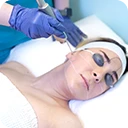



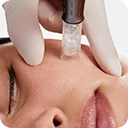

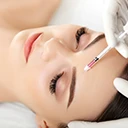
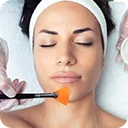
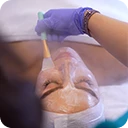

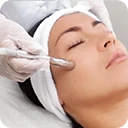
















A chemical peel can sound more dramatic than it is. The name brings to mind intense peeling, red skin, and a week spent hiding indoors. That can happen with stronger treatments, but many modern peels are much more measured. Some create only light flaking. Others cause no visible peeling at all, even while they help improve the look of dullness, uneven tone, congestion, and early signs of sun damage.
The honest answer is that results depend on the peel, your skin, and the concern you want to address. A first appointment is usually the beginning of a process, not a one-time fix for every issue. Still, many people notice a clearer, smoother, more refreshed appearance after a properly selected treatment.
If you are considering a chemical peel in Vancouver, here is what you can realistically expect before, during, and after your appointment.
What a Chemical Peel Actually Does
A chemical peel uses a carefully formulated acid solution or enzyme blend to exfoliate the skin. It loosens or removes a portion of dead surface cells and encourages the skin’s natural renewal process.
That description is simple. Choosing the right peel is not.
The outermost layer of skin, the stratum corneum, has an important job: it helps keep moisture in and irritants out. When dead cells build up unevenly, skin may look rough, gray, congested, or patchy. A superficial peel can help shed those cells more evenly. Medium-depth peels work further into the skin and typically involve more recovery time.
Common peel ingredients include:
-
Alpha hydroxy acids, such as glycolic acid and lactic acid, often used for dullness, dry texture, and uneven surface tone
-
Beta hydroxy acid, usually salicylic acid, which is oil-soluble and often used for acne-prone or congested skin
-
Mandelic acid, a larger-molecule acid that may be a gentler option for some people
-
Trichloroacetic acid, or TCA, used in certain medium-depth treatments
-
Retinoic acid and combination formulas, sometimes used for pigment concerns and photoaging under professional guidance
A peel is not meant to “burn off” skin. That is an outdated and worrying way to think about it. The goal is controlled exfoliation that suits your skin type, current condition, tolerance, and goals.
The Results People Often Notice First
Most people are looking for a visible change, not a chemistry lesson. Fair enough. The first changes after a superficial chemical peel are usually subtle but satisfying.
Brighter-looking skin
Dullness often comes from uneven buildup of dead skin cells. Once that buildup is reduced, light reflects more evenly across the surface. Skin can look fresher and less tired, even when nothing else about your routine has changed.
This is one reason people sometimes describe a post-peel glow. It is not magic, and it is not necessarily a sign that the peel was aggressive. Often, it simply means the skin surface is smoother and better hydrated.
Smoother texture
Fine roughness, flaky patches, and a slightly bumpy feel may improve after exfoliation. Makeup may also apply more evenly. If your foundation tends to catch around the nose, chin, or dry areas, smoother texture can make a noticeable difference.
Deep scars, large pores, and pronounced wrinkles are different matters. A superficial peel may soften their appearance temporarily, but it will not erase them. This distinction matters because glossy before-and-after photos can create expectations that no single treatment can meet.
More even tone
Chemical peels are commonly used to help improve the appearance of uneven pigmentation, including sun spots, post-acne marks, and general patchiness. Results tend to develop gradually because pigment is complicated. It sits at different depths in the skin, and new pigmentation can return if skin is exposed to ultraviolet light without protection.
For many people, the best outcome is not “perfectly even” skin. It is skin that looks calmer and more consistent, with less contrast between darker and lighter areas.
Clearer-looking pores and fewer surface breakouts
Salicylic acid and other acne-focused peels can help unclog pores and reduce excess oil on the skin’s surface. Some people notice fewer blackheads or a less congested look after a series of treatments.
There can also be a temporary adjustment period. A few new blemishes may appear shortly after a peel, particularly if congestion was already developing beneath the surface. That does not automatically mean the treatment failed. Persistent acne, painful cysts, or worsening irritation deserve a conversation with a qualified professional or dermatologist.
What “Peeling” Looks Like in Real Life
Visible flaking varies widely. A light peel might leave your skin feeling tight or dry for a day or two, with no obvious shedding. A stronger peel may cause peeling around the mouth, nose, and chin several days later.
The timeline often looks something like this:
-
Treatment day: Skin may look slightly pink or feel warm, similar to mild sun exposure. Some peels cause temporary frosting, which is a visible reaction that a trained provider monitors during treatment.
-
Days one and two: Tightness, dryness, or mild sensitivity may appear. Your skin can look normal enough for daily activities, though it may feel different.
-
Days two through five: Light flaking or peeling may begin, depending on the formula and strength. It is common for this to happen unevenly.
-
Days five through seven: Most superficial-peel dryness settles. Skin may look smoother and clearer once it has fully recovered.
A medium-depth peel can require more downtime and produce more noticeable redness, swelling, or peeling. It may not be the best choice before a wedding, vacation, major presentation, or other event where you want predictable skin.
One rule matters more than almost any other: do not pick, rub, scrub, or pull at peeling skin. It is tempting. It can also cause irritation, prolonged redness, and post-inflammatory hyperpigmentation.
Before-and-After Photos: How to Read Them Without Being Misled
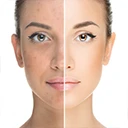
Before-and-after images can be useful when you know what you are looking at. They help show the kinds of changes a treatment may support: smoother texture, less visible surface discoloration, clearer pores, and a brighter overall appearance.
They are not a promise that your skin will respond the same way.
When reviewing photos, ask a few practical questions. Were the images taken in the same lighting? Is the person wearing makeup in one image but not the other? Was the result achieved after one peel or a full series? Was the person also using prescription skincare, changing their sun habits, or receiving other treatments?
A trustworthy set of images usually has consistent angles, expressions, lighting, and distance. It may also explain the treatment plan rather than suggesting that a single appointment transformed years of skin damage overnight.
There is nothing wrong with wanting visible results. Just be wary of images that look too perfect, especially when they leave out the timeline, recovery process, or maintenance involved.
Why Results Differ From Person to Person
Skin is not a blank canvas. It carries your genetics, hormones, climate exposure, product habits, stress level, sleep patterns, and history of inflammation. Two people can receive the same peel and have different results.
A few factors make a real difference.
Skin type and sensitivity
Sensitive skin, eczema-prone skin, rosacea-prone skin, and a weakened skin barrier may need a gentler approach or a different treatment entirely. A stronger peel is not automatically better. In fact, pushing irritated skin too hard can make redness and discoloration worse.
Skin tone and pigment response
Darker skin tones can be especially prone to post-inflammatory hyperpigmentation after irritation or injury. That does not mean chemical peels are off-limits. It means treatment choice, preparation, and aftercare need more care. A provider should assess pigment history, current skincare products, and any tendency to develop dark marks after acne or irritation.
The concern being treated
Surface dullness can improve quickly. Long-term sun damage, melasma, acne scarring, and deeper wrinkles tend to need patience and a broader plan. Chemical peels may be one useful tool, but they are rarely the entire answer.
Home care and sun protection
This is the part many people would rather skip, but it has a huge effect on results. Freshly exfoliated skin is more vulnerable to sun exposure. Daily broad-spectrum sunscreen with SPF 30 or higher helps protect the improvements you are trying to achieve.
In Vancouver, cloudy weather can create a false sense of security. UV exposure still reaches the skin on overcast days, and reflected light from water, pavement, and snow can add up. Sunscreen is not only a summer habit.
Preparing for Your First Chemical Peel
The safest chemical peel begins before the solution touches your skin. During a consultation, be open about prescription medications, allergies, past reactions, skin conditions, and current skincare products.
You may be asked to pause exfoliating acids, retinoids, benzoyl peroxide, scrubs, or hair removal creams for several days before treatment. Follow the instructions you are given rather than guessing. Combining active products with a peel can leave the skin barrier angry and uncomfortable.
Avoid scheduling a peel when your skin is already sunburned, windburned, actively irritated, or healing from another procedure. If you have a history of cold sores, mention it. Certain facial treatments can trigger an outbreak in people who are prone to them, and preventive medication may be recommended.
Pregnancy, breastfeeding, recent isotretinoin use, and some medical conditions can also affect what is appropriate. A good consultation should feel thorough, not rushed.
Aftercare That Supports Better Results
The days after a peel are a time to simplify. Your skin does not need a dozen products. It needs gentleness.
Use a mild cleanser, a plain moisturizer, and broad-spectrum sunscreen. Skip exfoliating pads, retinoids, scrubs, hot yoga, steam rooms, and very hot showers until your provider says your skin has recovered. Heavy workouts may also be worth postponing for a day or two if your face is flushed or sensitive.
If your skin feels dry, apply moisturizer more often rather than trying to scrub away flakes. Treat it like a mild sunburn: protect it, hydrate it, and leave it alone.
Contact your provider promptly if you experience significant swelling, blistering, severe pain, spreading redness, or signs of infection. Mild dryness and light flaking are expected with many peels. Severe reactions are not something to wait out at home.
How Many Peels Do You Need?
For a light peel, people often choose a series of treatments spaced several weeks apart. This approach can be more comfortable and predictable than one aggressive session, especially for concerns like uneven tone, mild acne, or texture.
A realistic treatment plan may include several peels alongside consistent home care and sun protection. For some concerns, a professional may recommend a different option, such as microneedling, laser-based treatment, prescription acne care, or a dermatologist evaluation. That is not a disappointing answer. It is good judgment.
Chemical peels work best when the treatment matches the problem. A person with a few dull, rough patches may be delighted after one appointment. Someone with melasma or deep acne scarring should expect gradual progress and ongoing maintenance.
The Most Realistic Expectation: Healthy-Looking, Not Filtered Skin
The best chemical peel results tend to look believable. Skin looks clearer, smoother, and more even. Makeup may sit better. You may feel less inclined to use a filter or cover every mark with concealer.
But real skin still has pores. It still moves. It can still get a breakout before an important day. A peel can improve the surface and support a more polished appearance, but it cannot turn skin into a digitally blurred image.
That honesty is worth holding onto when you compare treatment options. Choose a qualified provider who asks questions, explains the expected recovery, and gives you room to decide. The right first chemical peel should leave you informed as well as refreshed.