








Chemical Peels: Reset Your Skin at Limelight Wellness Vancouver
February 24, 2026
Understanding Your Skin Barrier: Essential Tips for Vancouver Wellness
March 4, 2026
What Happens to Your Skin When You Lose Weight
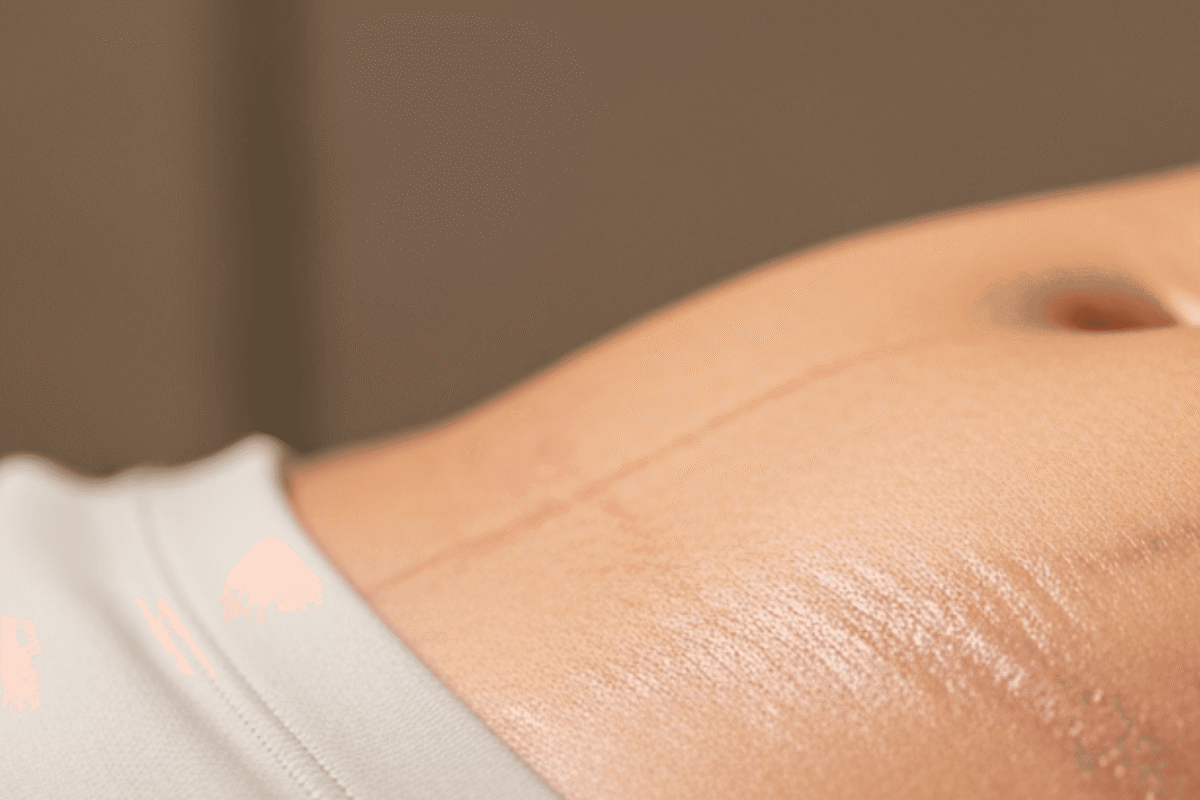
Significant changes in body size, such as those that occur during weight gain and subsequent loss, put your skin through quite an ordeal. The skin is a flexible organ designed to accommodate gradual shifts, but when it stretches too quickly—whether from rapid weight gain, pregnancy, or muscle building—it can surpass its natural elasticity. This overstretching causes microscopic tears in the dermis, the middle layer of skin, resulting in what we commonly call stretch marks, or striae.
When you lose weight, it’s natural to hope that these marks will fade away along with the pounds. Unfortunately, the underlying damage to the dermal tissue remains, even as the outer layer of skin contracts. In fact, weight loss can sometimes make stretch marks more noticeable, especially if the skin becomes lax or the marks were previously camouflaged by fuller contours. The severity and visibility of stretch marks after weight loss depend on several factors, including how quickly the weight was gained or lost and the overall resilience of your skin.
Skin does have some natural ability to recover, but its capacity to ‘bounce back’ is limited, particularly after dramatic or repeated stretching. The presence and appearance of stretch marks are ultimately signs that your skin has been pushed past its elastic capacity, leaving behind reminders of past expansion that can persist long after you reach your target weight.
Where Stretch Marks Show Up and Why Some Are More Noticeable
Stretch marks don’t appear at random; they tend to develop in areas where the skin has experienced the most stretching. For many, the abdomen, thighs, hips, buttocks, breasts, and upper arms are the regions most susceptible—these are the places where fat is commonly stored and then reduced during weight loss journeys.
Not everyone will experience stretch marks to the same degree, and several factors determine their visibility. Genetics play a significant role; some individuals are simply more prone to developing noticeable stretch marks due to their inherited skin characteristics. Age is another important factor—while younger skin is generally more resilient, it is also more likely to develop stretch marks during periods of rapid growth or hormonal change. As we age, the skin’s ability to produce collagen and elastin diminishes, which can alter how marks look and heal.
Hydration and a history of proper skin care can make a difference too. Well-moisturized, healthy skin may stretch more easily and recover better, while dry or sun-damaged skin is less forgiving. When stretch marks first appear, they tend to be red, purple, or pink, indicating that the skin is still inflamed and healing. Over time, these marks fade to white or silvery tones and become more indented, especially as the underlying collagen network loses strength.
In some cases, weight loss can expose older marks that were less obvious when the skin was taut. The loss of fat beneath the skin can also make these marks appear deeper or more textured, further emphasizing the importance of gentle skin care during and after weight changes.
At-Home Care for Stretch Marks: What Helps and What Doesn’t
For those seeking to minimize the appearance of stretch marks at home, the market is flooded with creams, oils, and serums—some offering bold promises that rarely match reality. The truth is, while topical products can support skin health and improve overall texture, their impact on deep dermal scars like stretch marks is modest, especially for long-standing marks.
Emollients and moisturizers, for example, are excellent at maintaining skin hydration and can improve the suppleness of the outer layer. This can help the skin feel and look smoother, but it doesn’t reverse the tearing of the dermis that causes stretch marks in the first place. Applying these products regularly is beneficial for overall skin wellness and may offer some preventative support if you begin them during rapid growth or weight changes.
Topical retinoids, derived from vitamin A, are sometimes recommended for new, reddish stretch marks. They can encourage collagen production and support cell turnover, which may help fade early marks. However, their effectiveness diminishes as marks mature and turn white or silvery, and retinoids are not suitable for everyone—particularly women who are pregnant or breastfeeding.
Other ingredients, such as hyaluronic acid and peptides, can help hydrate and plump the skin, providing a slight improvement in the appearance of newer marks. But no over-the-counter product can fully remodel the deep skin structures affected by stretch marks. Realistic expectations are key: home care works best for early intervention and general skin maintenance, not for erasing established scars.
Professional Skin Rejuvenation and Body Contouring Options for Stretch Marks
When at-home methods don’t deliver the desired results, professional treatments at a beauty clinic or health services provider can offer more substantial improvements in stretch mark appearance. Modern skin rejuvenation therapies, especially those available in Vancouver’s advanced clinics, leverage technology to remodel the skin’s deeper layers, improving both texture and color.
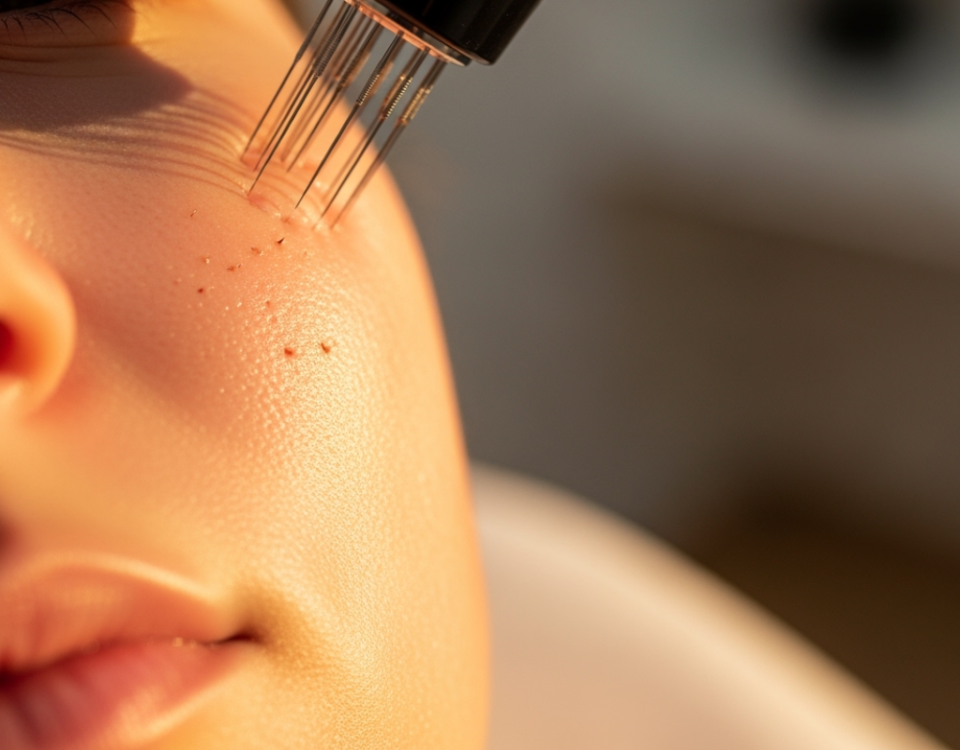
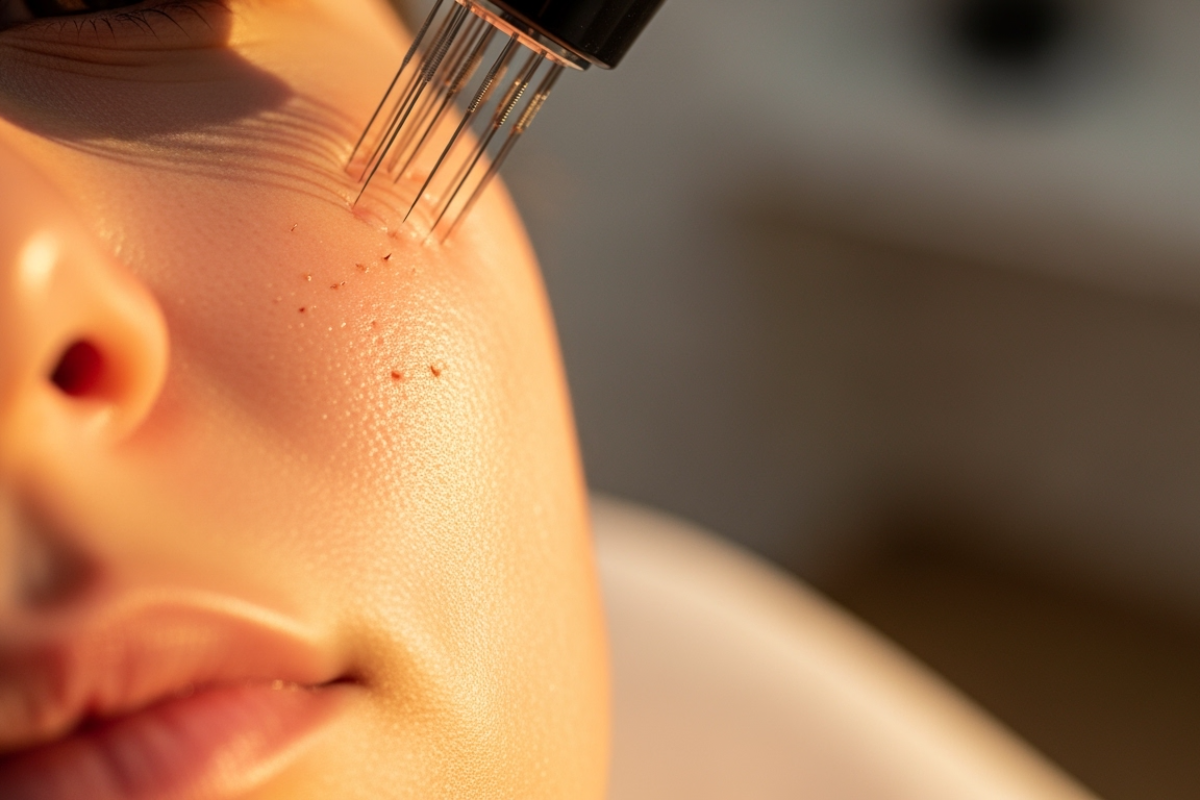
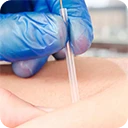
Microneedling, including radiofrequency (RF) microneedling, uses tiny needles to create controlled micro-injuries in the skin, which stimulates the body’s natural healing response and encourages new collagen growth. This can help make stretch marks less indented and more aligned with surrounding skin.
Laser therapies represent another effective option. Fractional ablative and non-ablative lasers, as well as pulsed-dye and picosecond lasers, can be customized based on the age and color of stretch marks. For example, pulsed-dye lasers are best for red or purple marks, targeting pigment while also encouraging collagen production. Older white marks may respond better to more intensive fractional or CO2 lasers, although these treatments come with increased downtime and require expertise to minimize risk.
Platelet-rich plasma (PRP) treatments, often combined with microneedling, involve using components from your own blood to enhance healing and stimulate tissue repair. This can boost results by further encouraging collagen formation.
Combination approaches—such as pairing microneedling with PRP, or lasers with topical agents—often deliver the best results, as they address multiple aspects of skin remodeling at once. Noninvasive body contouring and skin-tightening devices, like radiofrequency or ultrasound-based treatments, can also help by tightening loose skin and supporting a smoother appearance, indirectly improving the look of stretch-marked areas following weight loss.
Setting Expectations and Choosing the Right Stretch Mark Treatment in Vancouver
Seeking treatment for stretch marks is a personal journey, and it’s important to begin with realistic expectations. Even with the most advanced technologies in skin rejuvenation and body contouring, no treatment can completely erase stretch marks. However, significant improvement in texture, color, and overall appearance is achievable, especially when therapies are tailored to the age and type of marks.
Newer, red or purple stretch marks generally respond more favorably to professional treatments than older, white striae. Early intervention can capitalize on the skin’s ongoing healing processes, yielding better and faster outcomes. Older marks, which have settled and become more atrophic, often need more intensive or combined therapies and several sessions to see visible benefits.
Individual response to treatment varies, influenced by factors such as skin type, the location and age of the marks, and the adherence to recommended treatment protocols. It’s common to need a series of sessions spaced over several weeks or months, and some maintenance may be required to sustain improvements.
The most effective stretch mark plans are individualized. Consulting with a skin care expert or dermatologist in Vancouver ensures you receive guidance suited to your unique skin characteristics and goals. They can recommend the best combination of treatments—be it microneedling, laser therapy, or skin tightening—and help set achievable goals for your skin’s health and appearance. Remember, the aim is improvement and confidence, not perfection, and with professional guidance and a tailored approach, smoother, more even skin is within reach.