


































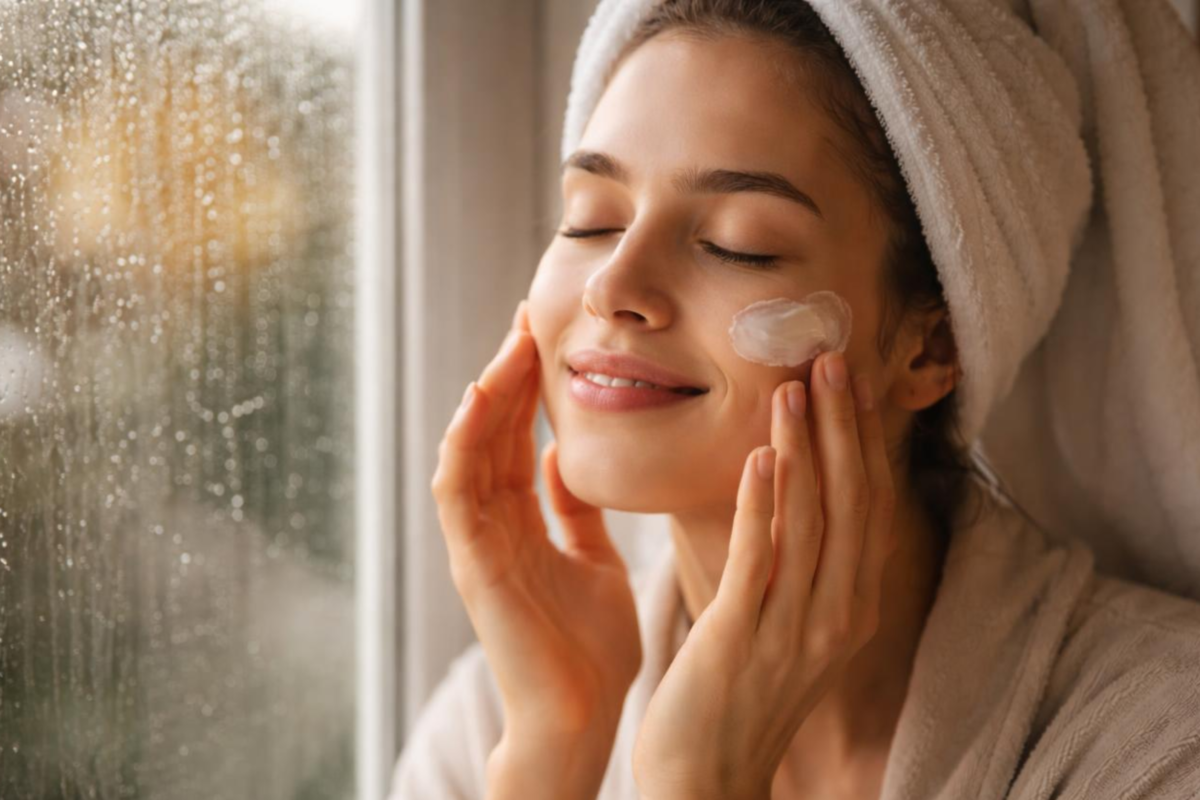
Vancouver winters have a reputation for being gentler than the deep freeze other Canadian cities get. That is true, sort of. You may not be scraping ice off your windshield every morning, but your skin still notices the season.
Cold wind, shifting humidity, rain, indoor heat, and the temptation of long hot showers can leave skin dull, tight, flaky, or weirdly sensitive. If you already deal with dryness or reactivity, winter often makes everything louder. And if you have a facial coming up, this matters even more. Skin that is already irritated tends to sting more, tolerate less, and recover more slowly.
The good news is that winter skin prep is usually not complicated. In fact, the biggest mistake people make is overcomplicating it. Before a facial, or really any skin rejuvenation treatment, the goal is simple: support your skin barrier, keep moisture in, and avoid anything that sets off unnecessary irritation.
Why Vancouver winter can still dry out your skin
Mild winters can be deceptive. People hear “mild” and picture skin that gets a free pass. That is not how it works.
Your skin barrier, which is the outer layer that helps keep water in and irritants out, responds to more than just temperature. In Vancouver, winter often means a mix of damp outdoor weather, chilly wind, and dry heated indoor air. That back-and-forth alone can leave skin unsettled.
A few common winter stressors do most of the damage:
Wind strips away surface moisture
Even when the temperature is not extreme, wind can pull moisture from the surface of the skin. If your barrier is already a bit worn down, that exposure can leave you with stinging, redness, or rough patches.
Indoor heat dries the air
Once the heat is on inside, humidity often drops. Skin loses water more easily in dry indoor environments, especially on the face, hands, and around the mouth. This is one reason many people feel fine outside, then suddenly uncomfortable a few hours after getting home.
Fluctuating humidity confuses reactive skin
Moving between wet outdoor air and dry indoor heat is not just annoying. It can be hard on sensitive skin. Some people notice more itching. Others notice small flakes, tightness, or a burning feeling when they apply products they normally tolerate.
Mild weather is nice. Mild weather is not the same as skin-friendly weather.
How to tell when your skin is actually dry
Dry skin is usually identified through a combination of what you see and what you feel. It is mostly a clinical judgment, not something that needs a gadget or a trendy online quiz.
Common visible signs include:
-
dull or lackluster skin
-
flaking or scaling
-
rough texture
-
fine cracks in more severe cases
Common symptoms people describe include:
-
tightness, especially after cleansing or showering
-
itching
-
stinging when applying products
-
a general sense that skin feels “off”
That tight, squeaky-clean feeling people sometimes chase is not a sign of healthy skin. It usually means your barrier is asking for help.
If dryness gets more intense, you may start seeing deeper cracking, noticeable redness, or inflammation. At that point, home care may still help, but it is smart to get professional input.
The winter habits that quietly make dryness worse
A lot of winter skin trouble comes from habits that feel comforting in the moment. I get it. Few things sound better than a steaming hot shower after a cold, wet day in Vancouver. Your skin, unfortunately, has other opinions.
Long, hot showers
Hot water can soften surface oils and make skin feel temporarily hydrated. That part tricks people. Once you step out and the water evaporates, skin often ends up drier than before. This is why some people notice flaking or itching shortly after showering, even if the shower itself felt soothing.
If your skin is already dry, hot showers can push it further into irritation.
Waiting too long to moisturize
This is one of the easiest mistakes to fix. When you shower or wash your face, water lands on the skin, then starts evaporating. If you do not apply moisturizer soon after, you miss a good chance to trap some of that moisture in.
Trying too many products at once
Winter dryness can make people panic-buy. A richer cleanser, a new serum, a stronger exfoliant, a different sunscreen, maybe a face oil, maybe a mask. Suddenly your routine has doubled, and your skin is angry.
Reactive skin usually does better with fewer variables. Less experimentation, especially right before a facial.
A barrier-first routine that works before a facial
If you have a facial booked at a beauty clinic, or you are planning any treatment where skin comfort matters, start thinking about prep several days in advance. You do not need an elaborate routine. You need a steady one.
Here is a practical approach.
1. Cleanse gently, once or twice a day
Use a mild cleanser that does not leave your skin feeling stripped. If your face feels tight after washing, the cleanser may be too harsh, or you may be washing too often.
In winter, many people do well with a gentle evening cleanse and a lighter rinse or very mild cleanse in the morning. If you wear heavy sunscreen or makeup, cleanse thoroughly at night, but do not scrub.
2. Keep showers short and lukewarm
Aim for about five minutes if you can. Lukewarm is the sweet spot. Warm enough to be comfortable, not hot enough to leave your skin flushed and thirsty.
This matters for the body, but it also matters for the face. If you wash your face in the shower, that exposure counts too.
3. Moisturize right away, while skin is still damp
This step does a lot of heavy lifting. Apply a fragrance-free moisturizer within a few minutes of showering or cleansing, while skin is still slightly damp. That helps reduce water loss.
For mild to moderate dryness, a rich cream may be enough. For severe dryness, ointments tend to work better because they are more occlusive. In plain language, they seal moisture in more effectively than lighter lotions do.
If you are deciding between lotion, cream, and ointment, winter usually pushes people one step heavier than they use in summer.
4. Stop introducing new actives before your appointment
This is where people get themselves into trouble. The week before a facial is not the time to test a retinoid, a strong acid, a peel pad, or a trending “glow” serum your friend swears by.
If your skin is doing well, keep it boring. Boring is underrated. Boring skin care is often the reason skin stays calm enough to handle treatment well.
5. Tell your provider about recent irritation
If you have had burning, flushing, peeling, or a bad reaction to a product, say so before the appointment. That kind of information changes treatment choices. It can affect product selection, intensity, and aftercare advice.
People sometimes feel awkward bringing it up because they assume mild irritation is normal. Sometimes it is common. That does not mean it should be ignored.
What kind of moisturizer makes the biggest difference?
The short answer is a fragrance-free one you will actually use consistently.
That said, texture matters.
Lotions are lighter and often fine for oilier skin or warmer months. Creams are thicker and better for everyday winter dryness. Ointments are the heavy hitters. They are especially useful when skin is severely dry, flaky, or cracked.
Fragrance-free is worth repeating because fragrance is a frequent irritant, especially when the skin barrier is compromised. Even products marketed as gentle can sting if they are packed with scent or too many active ingredients.
If your skin seems to react to everything, resist the urge to keep adding “calming” products. A simple routine usually works better:
-
a gentle cleanser
-
one dependable moisturizer
-
a sunscreen you tolerate
That may sound almost too basic, but basic often wins in winter.
Sunscreen still matters, even on gray Vancouver days
This is one of those points people know in theory and ignore in practice. Winter sunscreen matters.
UVB rays are the main drivers of sunburn, and they are stronger on bright sunny days. UVA rays are more constant throughout the year, including cloudy days. UVA penetrates more deeply into the skin and plays a major role in photoaging. It is also part of the broader picture of skin cancer risk.
So yes, even in a Vancouver winter, even when the sky looks like wet cement, sunscreen still belongs in the routine.
If you are preparing for a facial or other skin rejuvenation treatment, this becomes even more important. Treated skin can be more vulnerable, and protecting it is part of getting a good result.
What if sunscreen stings?
This is common, and people often assume it means they are “allergic to everything.” Sometimes there is a true allergy, but many cases of sunscreen discomfort are not immune system problems. It may simply be irritation, especially if the skin barrier is already dry or inflamed.
If chemical sunscreens burn or make your skin angry, mineral formulas are often easier to tolerate. They are not perfect for everyone, but they can be a good alternative for reactive skin.
Whatever type you use, patch testing a new sunscreen well before a facial is smarter than trying it the night before.
If your skin is sensitive, simpler is usually better
Sensitive skin can make people feel stuck. Every product claims to soothe. Half of them burn. The other half feel fine for three days, then cause trouble.
When that happens, I tend to trust simplicity over creativity.
A stripped-down routine reduces the odds of irritation and makes it easier to figure out what your skin actually tolerates. If your face flushes easily, burns with application, or reacts whenever you switch products, this matters even more in winter.
Here is a sensible approach for reactive skin before a facial:
-
Pause new products.
-
Use a gentle cleanser.
-
Apply a heavy, fragrance-free moisturizer regularly.
-
Use a sunscreen you already know your skin can handle.
-
Avoid strong exfoliants, retinoids, and aggressive masks for several days beforehand unless a dermatologist has told you otherwise.
People sometimes worry that a simple routine means they are “not doing enough.” If your skin is irritated, doing less often is doing more.
Pre-facial prep: what to do in the days before your appointment
A facial should not be an obstacle course for stressed-out skin. Good prep improves comfort and can help your skin respond more predictably.
A few days before
Focus on barrier support. Cleanse gently, moisturize regularly, and skip experimentation. If you are very dry, use a heavier moisturizer at night and consider an ointment over especially flaky areas.
The day before
Avoid long hot showers. Avoid picking, scrubbing, or trying to “smooth things out” with a rough exfoliant. That almost always backfires.
The day of
Wash with a gentle cleanser if needed, moisturize if your provider has not given different instructions, and wear sunscreen if you will be outside. If you have recent irritation, product reactions, or active flaking, mention it before treatment starts.
One small conversation upfront can spare you a lot of discomfort later.
When dryness needs more than home care
There is regular winter dryness, and then there is skin that is genuinely struggling.
You should consider seeing a dermatologist or qualified skincare professional if you have:
-
persistent flushing or burning
-
severe product reactivity
-
cracking skin
-
intense itching
-
visible inflammation
-
dryness that does not improve with simple home care
This is also worth doing if you want help choosing products before a facial, especially if you have a history of sensitivity. Personalized advice can save time, money, and a lot of trial and error.
For some people, dryness is just dryness. For others, it overlaps with eczema, rosacea, or another skin condition that needs a more tailored plan. Guessing only gets you so far.
The bottom line for Vancouver winter skin
Winter skin prep in Vancouver is less about fighting extreme cold and more about managing constant low-grade stress on the skin barrier. Wind, indoor heating, shifting humidity, and hot showers can add up fast.
The fix is not fancy. Keep showers short and lukewarm. Moisturize while skin is still damp. Use a heavier, fragrance-free formula if dryness is significant. Wear sunscreen through winter, cloudy days included. If your skin is reactive, simplify your routine instead of expanding it.
And if you have a facial coming up, give your skin a calm runway before the appointment. No last-minute actives. No product roulette. No heroic exfoliation.
Healthy winter skin is often the result of ordinary habits done consistently. That is less exciting than a miracle product, I know. It is also what works.