





















What Happens to Skin After Weight Loss: Expert Insights & Care
February 27, 2026
Understanding Spider Veins: Causes, Myths, and Modern Solutions
March 7, 2026
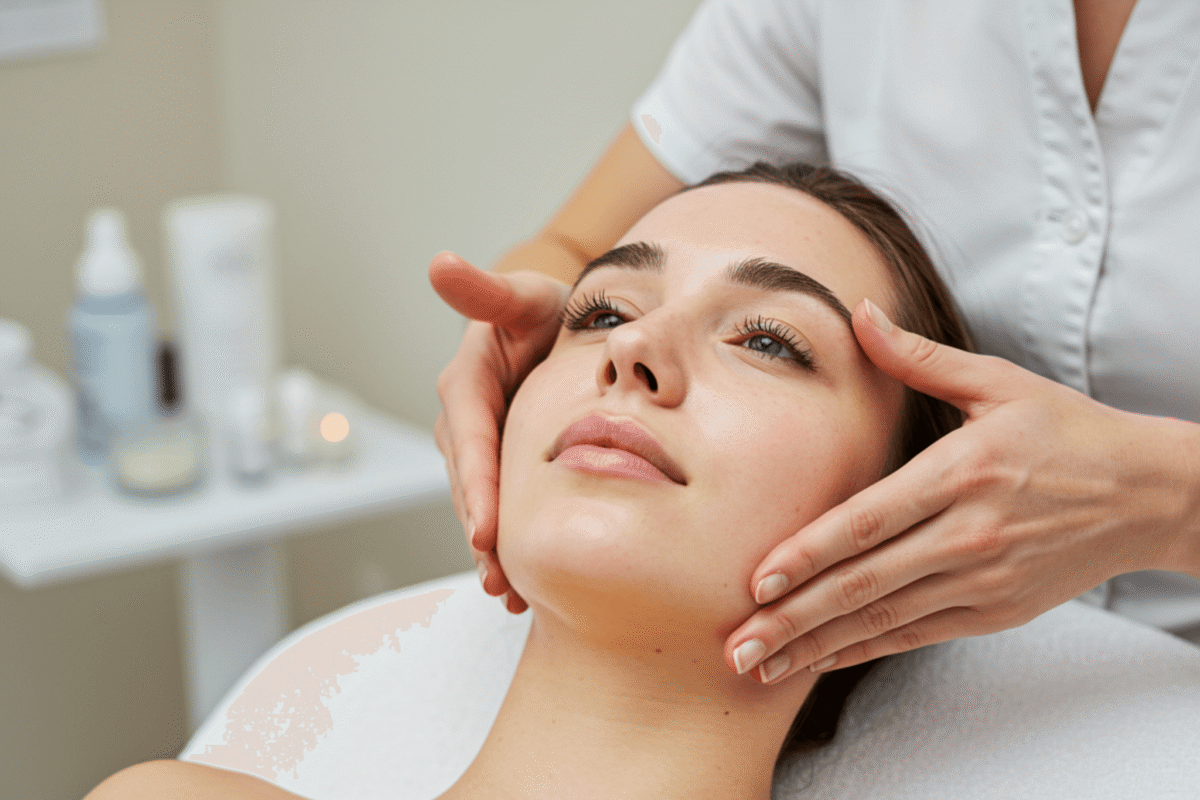
Your Skin’s First Line of Defense: What the Barrier Is and Why It Matters
The skin barrier, often referred to as the stratum corneum, is the outermost layer of your skin. This microscopic yet mighty shield is composed of tightly packed skin cells and lipids, forming a protective wall against the many challenges your skin faces daily. Its primary job is to serve as a gatekeeper—keeping vital moisture in and harmful irritants, pollutants, and bacteria out.
A healthy skin barrier is fundamental for maintaining optimal hydration. When functioning well, it holds onto water, helping your complexion stay plump, smooth, and resilient. It also minimizes sensitivity, meaning your skin is less likely to react to products, environmental stressors, or changes in weather. People with a robust skin barrier notice fewer issues with redness, flakiness, or rough patches, and their skin often looks more radiant and evenly toned.
This barrier doesn’t just keep you comfortable; it also determines how effective your skincare products and treatments are. A compromised barrier can limit the benefits of serums, moisturizers, and even in-clinic procedures, as the skin may struggle to absorb or tolerate active ingredients.
For Vancouver residents, barrier health is especially relevant. The city’s mix of damp, chilly winters and urban pollution can make skin more vulnerable to environmental stress. Understanding your skin barrier—and how to care for it—lays the foundation for lasting skin health and beauty.
Is Your Skin Barrier Damaged? Key Signs Vancouver Residents Should Watch For
It’s easy to overlook the signs of a struggling skin barrier—many of its signals are mistaken for other concerns or dismissed as temporary irritations. However, recognizing the symptoms early can help you intervene before issues escalate.
Common signs your skin barrier has been compromised include persistent dryness and a feeling of tightness, especially after cleansing. Flakiness, redness, and even stinging or burning when you apply products are strong indicators that your barrier needs attention. Another hallmark is increased sensitivity; products that once felt soothing may now irritate or cause discomfort. Some people also notice more frequent breakouts or a rough, uneven texture as the skin’s balance becomes disrupted.
Vancouver’s unique climate can amplify these issues. The city’s cold, damp winters, and frequent exposure to wind or indoor heating can strip away moisture, while urban pollution introduces additional irritants. If your skin seems more reactive during colder months or after spending time outdoors, your barrier may be under stress.
To assess your skin, pay attention to how it feels after cleansing or environmental exposure. If you notice tightness, increased redness, or tingling, it’s a sign you may need to adjust your routine and focus on barrier repair.
Top Barrier-Repair Skincare Principles and Ingredients Dermatologists Recommend
Repairing and maintaining a healthy skin barrier isn’t complicated, but it does require thoughtful product choices and a gentle approach. The first step is to use mild, non-stripping cleansers—avoid anything that leaves your skin squeaky-clean or tight, as this is a sign of natural oils being washed away.
Hydration is the cornerstone of barrier care. Layer products that attract and retain moisture: start with humectants like hyaluronic acid or glycerin, which draw water into the skin, then follow with emollients and occlusives such as ceramides, fatty acids, and plant oils to lock that hydration in place. These ingredients mimic your skin’s natural lipids, helping to restore and reinforce the barrier.
Look for products containing ceramides, cholesterol, and fatty acids—these are essentially the “building blocks” for a robust barrier. Niacinamide (Vitamin B3) is another star ingredient for its ability to soothe, reduce redness, and boost barrier function. Peptides and panthenol (Vitamin B5) also play supportive roles in calming inflammation and enhancing repair.
It’s crucial to reduce the frequency and intensity of potentially irritating steps. Limit exfoliation—especially with strong acids or scrubs—and use active ingredients like retinoids more sparingly while rebuilding. Finally, sun protection isn’t just for summer. Daily use of a broad-spectrum SPF is non-negotiable, even on cloudy Vancouver days, as UV damage can further weaken your skin’s defenses.
A Vancouver-Friendly Barrier Repair Routine and Post-Treatment Aftercare
Adopting a barrier-friendly skincare routine doesn’t mean sacrificing results—it simply means prioritizing gentle, supportive steps over aggressive treatments. Here’s how to structure your day-to-day routine for optimal barrier health, especially in Vancouver’s frequently chilly, damp, or polluted conditions.
Morning Routine
-
Start with a gentle, sulfate-free cleanser to remove nighttime buildup without stripping the skin.
-
Apply a lightweight antioxidant serum if your skin tolerates it; ingredients like vitamin C can defend against environmental stress but should be introduced cautiously.
-
Follow with a moisturizer rich in ceramides and niacinamide to reinforce the barrier and keep hydration locked in.
-
Finish with a broad-spectrum SPF 30 or higher, even on cloudy or rainy days. Pollution can amplify UV damage, so don’t skip this step.
Evening Routine
-
Cleanse gently to remove pollutants and sunscreen.
-
Use a reparative serum containing niacinamide, peptides, or panthenol to calm and restore the skin overnight.
-
Apply a richer moisturizer or balm—look for products with fatty acids and occlusives to seal in moisture against overnight dehydration.
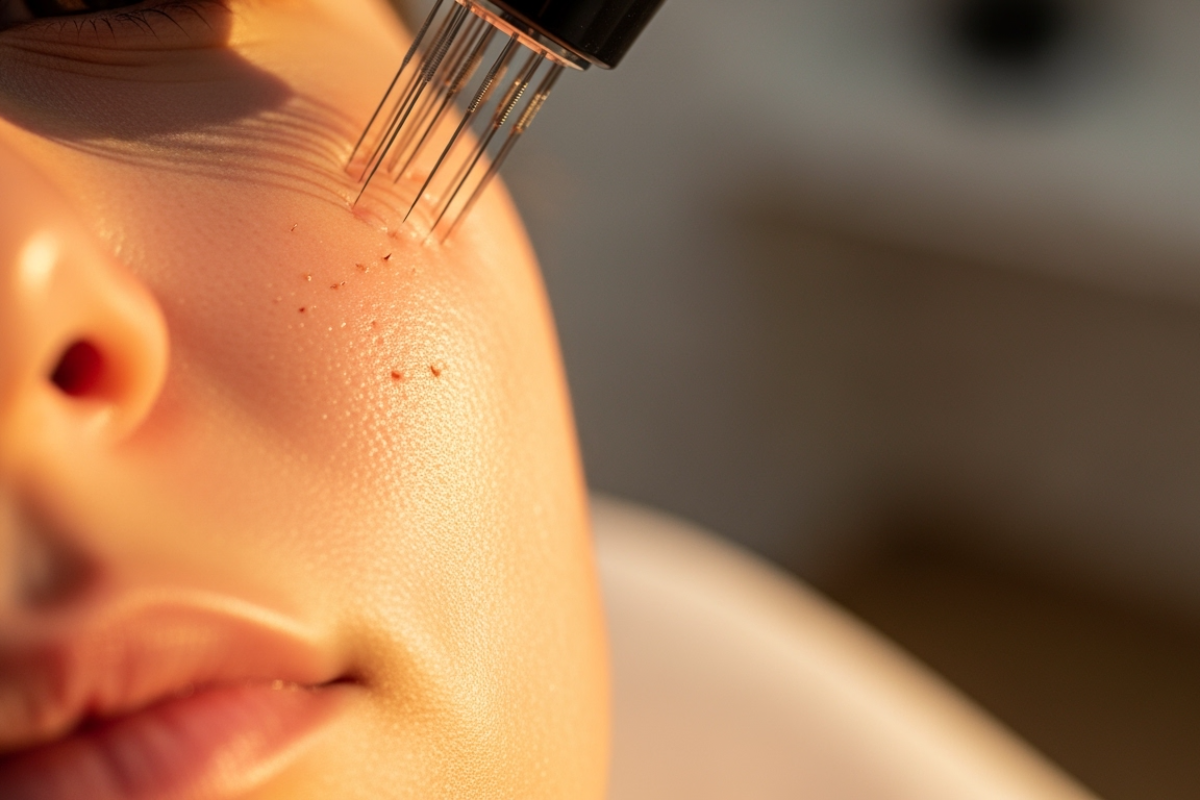
If you’ve recently had in-clinic treatments like facials or microneedling, aftercare is vital. Avoid exfoliation, retinoids, or high-strength actives for several days post-treatment. Stick to gentle cleansing, ample hydration, and sun protection. If introducing new products, patch-test first and add only one at a time, monitoring for any irritation.
With Vancouver’s climate, extra hydration is often needed in winter, while spring and summer may require lighter layers but continued protection from UV and pollution. Keeping routines simple and consistent is key; your skin will thank you.
When to Seek Professional Skin Rejuvenation and Wellness Consultations in Vancouver
While many people can restore their skin barrier at home with a careful routine, there are times when professional guidance is the best way forward. If you notice that dryness, irritation, redness, or breakouts persist despite your efforts—or if your skin becomes increasingly reactive—it’s a sign that you may need more targeted support.
A professional assessment can help identify underlying causes of barrier dysfunction, such as hidden sensitivities, allergies, or incorrect product use. In-clinic treatments, when tailored for barrier repair, can accelerate healing and provide relief. These might include nourishing facials, gentle hydration therapies, or advanced treatments that use barrier-safe protocols. Experienced practitioners know how to space treatments and select products that restore rather than disrupt the skin barrier.
Holistic wellness consultations can also play a crucial role, especially in addressing stress, dietary factors, and lifestyle habits that impact skin health. Vancouver’s diverse climate and urban environment introduce unique stressors, and a customized approach often yields the best results.
If your skin’s issues are persistent, severe, or interfere with your confidence, seeking professional help is a positive step. Professionals can help you craft a sustainable, effective plan for lasting skin barrier resilience—so you can enjoy healthy, beautiful skin year-round.