

































Unlock Better Wellness: Improve Mood, Energy, and Vitality
October 23, 2025
Common Causes of Heel Pain and How to Find Lasting Relief
November 3, 2025
The Prevalence of Back Pain: Why It Affects So Many
Back pain is a universal concern that touches the lives of millions, making it one of the most frequently reported health issues. Whether you spend your days at a desk, regularly hit the gym, or juggle physical tasks, no one is truly immune. In fact, both sedentary and physically active individuals are susceptible, albeit for different reasons. For office workers, hours of sitting, poor posture, and minimal movement can strain the back muscles and ligaments over time. Conversely, those engaging in intense physical activity may experience back pain from overuse, improper technique, or accidents.
Age also plays a notable role. While back pain can develop at any stage of life, the risk tends to climb as we grow older due to natural wear and tear on the spine and its supporting structures. Furthermore, our modern lifestyle, heavily reliant on technology, promotes behaviors such as slouching over screens or remaining stationary for prolonged periods, further exacerbating the issue.
The impact of back pain extends beyond physical discomfort. It can diminish the quality of life, hinder participation in daily activities, and even lead to missed workdays, affecting both personal and professional productivity. Understanding why back pain is so prevalent is the first step toward recognizing the importance of prevention and effective management.
Anatomy of the Back: Key Structures and Their Roles
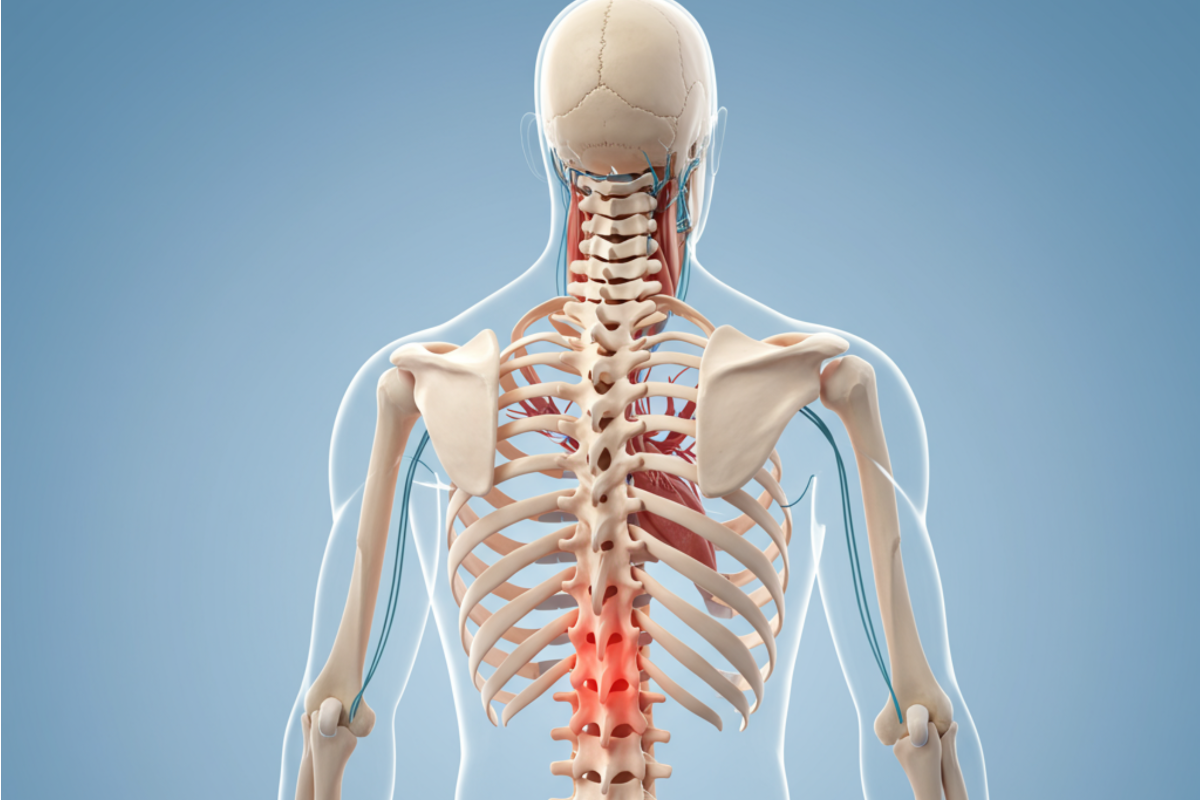
To appreciate the complexity of back pain, it’s helpful to understand the anatomy of the back. The backbone, or spinal column, is made up of 33 individual vertebrae stacked atop one another, creating a strong yet flexible support structure for the entire body. These vertebrae form the core framework, protecting the delicate spinal cord while allowing for a remarkable range of movement.
Surrounding and connecting these bones are more than 30 muscles, each playing a role in stabilizing the spine, supporting posture, and enabling movements like bending, twisting, and lifting. These muscles work in harmony with intervertebral discs—soft, gel-filled pads situated between the vertebrae that act as shock absorbers and prevent bone-on-bone friction.
Ligaments, which are tough bands of connective tissue, further reinforce the spine by linking bones together and restricting any excessive or harmful motion. In addition to these components, the back is intricately connected to other body systems through nerves that transmit signals to and from the brain, as well as joints that facilitate movement.
Given this intricate network, it’s clear that even a minor disruption in any part—be it a strained muscle, a slipped disc, or a pinched nerve—can have a significant impact, often resulting in pain or limited mobility. This complexity is why back pain can be so varied in its presentation and why a comprehensive approach to diagnosis and treatment is essential.
Common Causes: From Muscle Strains to Underlying Conditions
Back pain can arise from a multitude of sources, ranging from acute injuries to chronic health conditions. One of the most frequent culprits is muscular strain, which often results when muscles are forced, twisted, or pulled beyond their capacity. This can happen suddenly—while lifting a heavy object or making a sharp movement—or develop gradually with repetitive motions or maintaining poor posture over time.
Ligament sprains are another common cause, typically occurring when the strong bands that stabilize the spine are stretched or torn, usually as a result of a fall, awkward movement, or accident. The resulting pain can be intense and sometimes debilitating, requiring rest and targeted therapy for recovery.
Beyond these mechanical causes, several medical conditions can contribute to persistent or severe back pain. Herniated discs, where the cushioning discs between vertebrae bulge or rupture, can press on nerves and cause sharp or radiating pain. Chronic pain conditions like fibromyalgia can trigger widespread musculoskeletal discomfort, including in the back. Bone-related disorders such as osteoporosis (characterized by weakened bones) and osteoarthritis (degeneration of joint cartilage) can also lead to back pain, especially in older adults.
Recognizing the source of discomfort is crucial, as each cause may require a different treatment approach. Early identification and appropriate management can prevent minor issues from becoming chronic problems and help individuals maintain a healthy, active lifestyle.
Seeking Relief: Professional Approaches and When to Consult a Specialist
When back pain becomes persistent, severe, or interferes with daily life, seeking professional help is essential. A thorough medical evaluation can help pinpoint the underlying cause and ensure that treatment is both safe and effective. Family doctors are often the first point of contact, able to conduct initial assessments, provide diagnoses, and recommend treatment options tailored to individual needs.
Depending on the diagnosis, a family doctor may refer patients to specialists with advanced expertise in treating back issues. These may include back specialists, massage therapists, or chiropractors, each offering unique methods for addressing pain, improving mobility, and promoting healing. For example, massage therapists can target muscle tension and promote relaxation, while chiropractors may focus on spinal alignment and joint mobility.
An often-overlooked aspect of back pain is the role of foot health and walking patterns. Podiatrists, or foot doctors, can assess gait and posture, as problems in these areas often contribute to back discomfort. Flat feet, irregular gait, or improper footwear can cause the body to compensate in ways that strain the back.
Early intervention is key. Consulting with professionals at the onset of symptoms can lead to quicker recovery and reduce the risk of chronic pain. A collaborative approach—combining medical advice, physical therapy, and lifestyle modifications—offers the best chance for lasting relief and improved quality of life.
The Link Between Posture, Gait, and Back Health
The way we carry ourselves—our posture—and how we move—our gait—have a profound effect on back health. Good posture means keeping the spine aligned in its natural curves, whether sitting, standing, or walking. Slouching, rounded shoulders, or a forward head position can gradually overload the muscles and ligaments that support the spine, leading to discomfort and, eventually, chronic pain.
Similarly, the mechanics of how we walk play a crucial role. Gait abnormalities, such as favoring one side, dragging a foot, or having flat arches, can cause the body to compensate by altering spinal alignment or muscle use. Over time, these compensations can place unnecessary stress on the lower back, hips, and even the neck.
Addressing these issues often begins with simple, mindful changes. Ergonomic adjustments—like using chairs with proper lumbar support, placing computer screens at eye level, and taking breaks to stand and stretch—can help maintain good posture throughout the day. Investing in supportive footwear and consulting professionals for gait assessments can correct imbalances and reduce strain on the back.
By paying attention to posture and gait, and seeking guidance when needed, individuals can significantly decrease their risk of developing back pain. Small, consistent efforts in daily habits can lead to better spinal health and improved overall well-being.