































A lot of poor outcomes in wellness care do not come from one dramatic mistake. They come from small misunderstandings. A rushed booking. Unrealistic expectations. Skipping the consultation. Treating pain, stress, or skin concerns like isolated problems when they are usually tied to habits, recovery, and timing.
I see this pattern often. People are willing to invest time and money into feeling better, but they sometimes go in with the wrong assumptions. That matters. Whether you are booking massage therapy, looking into skin rejuvenation, thinking about body contouring, or comparing health services at a beauty clinic in Vancouver, the basics still apply: the clearer your goal, the better your provider can help, and the more likely you are to get results that actually last.
Here are some of the most common mistakes people make, plus a better way to handle each one.
Mistake 1: Booking a treatment before getting clear on the problem
This one sounds obvious, but it trips people up all the time.
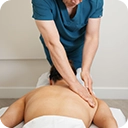
Someone says they want a massage because their back hurts. Fair enough. But is the real issue muscle tension from desk work? Poor sleep? Stress clenching? An old injury? Weakness and overcompensation? Those are very different situations, and they do not all respond the same way.
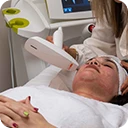
The same thing happens in aesthetic care. A person may ask for skin rejuvenation because their skin looks tired, but what they really mean is uneven tone, dehydration, sun damage, or texture changes. Those problems can look similar in the mirror and still need different approaches.
A better first question is not “What treatment should I get?” It is “What outcome do I actually want?”
Try to describe the issue in plain language:
-
What bothers you most?
-
When did it start?
-
What makes it better or worse?
-
What have you already tried?
-
Are you aiming for pain relief, stress reduction, improved movement, cosmetic improvement, or general maintenance?
This is where wellness consultations earn their value. A good consultation can save you from spending months chasing the wrong fix.
Mistake 2: Assuming more treatment always means better results
People do this with almost everything. More pressure in a massage. More sessions packed close together. More intense treatments. More products. More effort. More pain, weirdly enough, because many people still believe suffering must mean progress.
It usually does not.
A massage does not need to hurt to be effective. Strong pressure can help some people, but if your body tenses against it the whole time, that is not exactly a win. With skin care, over-treating can leave skin irritated and reactive. With body contouring, expecting rapid change without realistic timelines sets you up for disappointment.
The body likes consistency better than punishment.
A better approach is to match the treatment intensity to the goal. If you are getting a massage for relaxation and stress relief, a session that leaves you feeling bruised and guarded misses the point. If you are addressing chronic tension, you may need a gradual plan rather than one heroic appointment. If you are exploring laser hair removal or skin-focused treatments, spacing and aftercare matter as much as the treatment itself.
That answer is not as exciting as “go hard and fix it fast,” but it is usually more honest.
Mistake 3: Treating massage like an emergency-only service
A lot of people wait until they can barely turn their neck or their shoulders feel welded to their ears before they book a massage. I get why. Life is busy, budgets are real, and pain has a way of forcing itself to the top of the list.
But emergency-only care has limits.
If you only get a massage when you are already in a full-body protest, one session may calm things down, but it probably will not solve the underlying pattern. Tight muscles often return when the work setup, movement habits, stress load, and sleep quality stay the same.
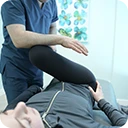
Getting a massage earlier can be more useful than waiting until everything flares. For some people, regular massage therapy helps maintain mobility, reduce tension headaches, improve body awareness, and interrupt the cycle of stress leading to pain leading to more stress. It can also support recovery if you exercise a lot or spend long hours sitting.
That does not mean everyone needs a standing weekly appointment. It means massage works best when you stop thinking of it as a last resort and start thinking of it as one tool in a broader health routine.
If you are curious whether it fits into your routine, this guide to massage therapy and its benefits is a helpful place to start.
Mistake 4: Leaving out important health information
People often hold back details because they think they are not relevant, or because they do not want to sound complicated.
Please sound complicated.
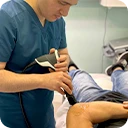
If you are seeing someone for massage therapy, mention injuries, surgeries, nerve symptoms, medications, pregnancy, migraines, chronic conditions, swelling, skin reactions, and anything new or unusual. If you are seeking skin rejuvenation, body contouring, or other health services, the same rule applies. Hormonal changes, active skin conditions, medications, healing history, and sensitivity can all change what is appropriate.
This is not oversharing. It is useful information.
One of the biggest misunderstandings in wellness care is thinking the provider only needs to know about the specific body part or cosmetic concern that bothers you. In reality, the whole context matters. Numbness in the hand might be connected to the neck. Jaw tension might be tied to stress and posture. Persistent breakouts might be worsened by products, friction, or hormones rather than poor cleansing.
The better approach is simple: answer intake questions honestly, and update your provider when something changes. A treatment plan is only as good as the information behind it.
Mistake 5: Expecting one appointment to undo months or years of buildup
This is the fantasy version of self-care. One massage fixes the stress of the last quarter. One facial erases every late night. One body treatment overrules weeks of inconsistent sleep, dehydration, and skipped meals.
Sometimes an appointment can make a dramatic difference. That does happen. But the more common reality is this: one good session creates momentum, not magic.
This is especially true for concerns linked to habit and repetition. Muscle tension returns when the same strain returns. Skin issues linger when triggers remain in place. Recovery stalls when there is no time for rest. If you go back to the exact pattern that contributed to the problem, the problem often comes back too.
A better mindset is to ask, “What should this appointment help with today, and what should I change after I leave?”
That question is gold. It turns passive treatment into active care.
Mistake 6: Ignoring aftercare because the appointment is over
People sometimes treat aftercare like a polite suggestion. It is not.
Aftercare is where many results either settle in well or fade fast. That applies to massage, skin-focused treatments, and other wellness services.
After a massage, you may need water, movement, rest, or a temporary adjustment in activity depending on the kind of work you had done. If an area was particularly tight, your provider may suggest stretching or avoiding certain strain patterns for the rest of the day. If you had skin-related treatment, aftercare may involve sun protection, gentle products, and patience while your skin calms down.
The mistake is assuming the treatment itself did all the work and nothing after matters. In real life, the hours and days afterward often matter a lot.
You do not need a complicated routine. You just need to follow the boring instructions people are tempted to ignore.
Mistake 7: Choosing a provider based only on price, speed, or trends
Budget matters. I am not pretending otherwise. But choosing care only because it is cheapest, fastest, or currently popular can go sideways quickly.
A well-marketed treatment is not automatically the right one for you. A discount is not useful if the service is poorly matched to your needs. And a social media before-and-after photo tells you almost nothing about how carefully a provider evaluates safety, fit, and expectations.
This matters whether you are looking for massage therapy, laser hair removal, body contouring, or general health services. Skill matters. Communication matters. Clear explanations matter. So does knowing when a provider says, “This is not the right option for you right now.”
If you are comparing options at a beauty clinic or wellness practice in Vancouver, look for signs of thoughtfulness, not just salesmanship. Are consultations thorough? Are risks explained plainly? Do you feel pressured? Are expectations realistic? Can the provider explain why a plan makes sense for your situation?
A good appointment should leave you informed, not dazzled and confused.
Mistake 8: Forgetting that stress shows up in the body
This is the overlooked detail that ties many problems together.
Stress is not only a mental state. It is physical. It changes breathing, posture, muscle tone, sleep, digestion, skin behavior, and recovery. People who are stressed often clench their jaw, lift their shoulders, tighten their hips, sleep poorly, snack differently, and become less patient with any routine that takes effort. Then they wonder why tension, headaches, breakouts, and fatigue keep cycling.
I do not mean this in a blame-y way. Stress is not a character flaw. It is just powerful.
This is one reason getting a massage can help more than people expect. Yes, it works on muscles and soft tissue. But it can also interrupt the feeling of being “on” all the time. For some people, that shift alone is meaningful. They leave breathing more deeply, moving more easily, and noticing how wound up they had actually been.
Massage is not a fix for everything, and it is not a substitute for medical care when something serious is going on. Still, it is often underestimated as part of a realistic wellness routine.
Mistake 9: Chasing trends instead of consistency
Wellness trends have a weird hold on people. Every few months there is a new must-try treatment, gadget, recovery method, or miracle technique. Some are useful. Some are mostly marketing with better lighting.
The problem is not curiosity. The problem is hopping from one thing to the next without giving any sensible plan enough time to work.
Consistency is less glamorous, but it wins more often. A thoughtful series of appointments. A manageable home routine. Regular movement. Better sleep. Massage when your body starts signaling trouble instead of when it fully crashes. Sensible follow-up instead of random treatment stacking.
If you have ever felt tempted to do everything at once, you are not alone. It feels productive. Usually it just gets expensive.
A better way to approach wellness appointments
If you want better outcomes, keep it simple. Before booking, during the appointment, and after you leave, come back to a few basic habits.
Before the appointment
Know your main goal. Relief? Recovery? Maintenance? Cosmetic improvement? Stress reduction?
Write down symptoms or concerns if you tend to forget details in the moment. Mention timing, triggers, and anything that has changed recently.
If you are getting a massage, think about what kind of day-to-day strain may be feeding the issue. Desk work, heavy lifting, poor sleep, training load, driving, stress, all of it counts.
During the appointment
Be honest. If pressure is too much, say so. If something feels sharp, strange, or wrong, say so. If you do not understand the plan, ask.
You do not need to be stoic. In fact, stoicism can get in the way.
A good provider would rather adjust the session than have you leave sore in the bad way, confused, or disappointed.
After the appointment
Follow the aftercare. Pay attention to what changes. Did you sleep better? Move more freely? Feel relief for a day, a week, or longer? Did symptoms return after a specific activity?
That information helps shape what comes next.
For people who like practical guidance, the College of Complementary Health Professionals of BC has useful information on regulated massage therapy and what to expect from care in British Columbia.
What good results usually look like
This part matters because expectations shape satisfaction.
Good results are not always dramatic. Sometimes they are subtle at first. Less tightness when you wake up. Fewer tension headaches. Better range of motion when checking your blind spot. Skin that feels calmer rather than instantly transformed. A body that does not feel so overworked by the end of the week.
That may sound unflashy. It is also real life.
When care is working, you usually notice one or more of these:
-
symptoms are less intense or less frequent
-
recovery is easier
-
you understand your triggers better
-
you feel more in control of the issue
-
you know what maintenance actually helps
That is a much sturdier version of success than chasing a one-day wow effect.
Final thought
The biggest mistakes in wellness are often ordinary. Waiting too long. Saying too little. Expecting too much from one session. Ignoring aftercare. Choosing based on hype. Treating stress like it lives only in your mind.
The better approach is less dramatic and more effective. Get clear on the goal. Choose care that fits the problem. Share the full picture. Give the process a fair chance. And if your body has been asking for a break for months, consider listening before it starts shouting.
Sometimes that might mean finally getting a massage. Not because it is indulgent, and not because it will solve every problem, but because your body may have been asking for skilled, focused care for longer than you realized.