






























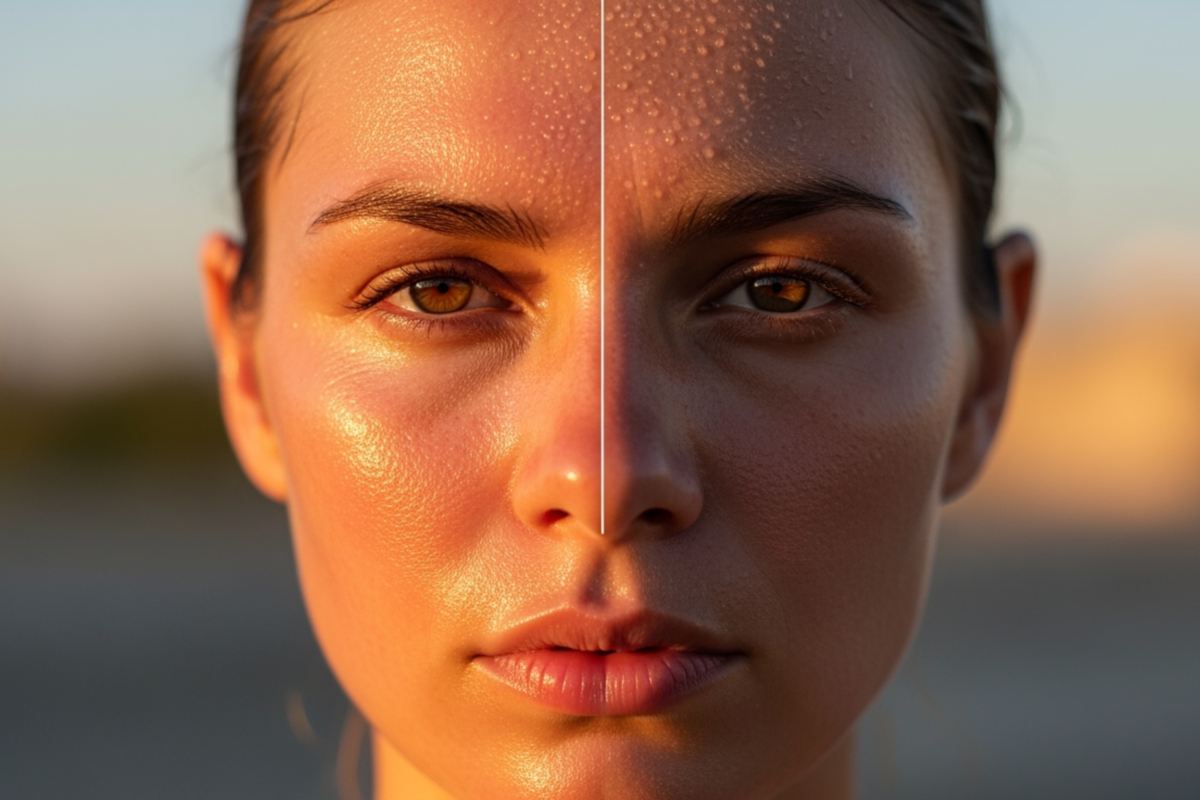
By August, a lot of people notice the same thing in the mirror. Their skin looks a little less even, a little less bright, and a little more tired than it did in early June.
That is not your imagination.
Summer has a way of piling up small exposures. A walk at lunch. Driving with sunlight hitting one side of the face. Coffee on a patio. Weekend errands. A beach day here, a hike there. Even careful people who wear sunscreen end up with some cumulative UV stress by late summer. The result can show up as pigment, redness, dehydration, rough texture, and a general “why does my skin look flat?” feeling.
This is why August is such a smart time to act. Not because you need to panic, and not because everyone should jump into an aggressive treatment right away. August works because it gives you a realistic checkpoint. You can assess what the summer has done, start the right treatments if your skin is ready, and map out anything that makes more sense once sun exposure drops.
I think of it as a skin strategy month. That framing matters. Good repair is rarely about one dramatic step. It is usually a mix of timing, restraint, and the right match between your skin and the treatment.
What summer sun damage actually looks like
People often think sun damage means one thing, dark spots. That is part of it, but it is not the whole picture.
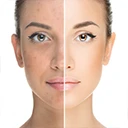
Late-summer skin changes tend to fall into a few common patterns. Uneven pigmentation is the obvious one. Freckles may deepen, sun spots become more visible, and overall tone can look patchy. But UV exposure also chips away at collagen over time, which can make fine lines look sharper and skin feel less smooth.
Then there is the less talked-about damage. Heat, sweat, swimming, travel, and over-cleansing can leave the skin barrier irritated and dehydrated. Skin may feel tight but still look shiny. It may sting when you apply products that were fine in spring. Some people also notice increased redness, flushing, or visible little vessels around the nose and cheeks.
This is why “summer skin repair” should never mean chasing one symptom in isolation. If you only go after pigment while ignoring inflammation or barrier damage, your skin may not respond the way you hoped.
Why August makes more sense than waiting until fall
A lot of people assume they should wait until October or November to think about repair. Sometimes that is true for deeper resurfacing. But for planning, August is better.
First, by now you can usually see the cumulative effects of the season. Early summer can hide them. In August, the pattern is clearer. You know whether you are dealing with stubborn pigmentation, dullness, redness, texture changes, or some combination of all of them.
Second, many skin treatments work best as a series. If you start the conversation in August, you do not lose momentum. You can begin what is safe and appropriate now, then continue into fall with a more coherent plan. That is much better than waiting until the season changes and then trying to do everything at once.
Third, some of the strongest treatments require careful sun avoidance before and after treatment. August is a good time for consultation because it helps answer a basic but important question: should you start now, or should you prepare now and treat later? That answer depends on your recent sun exposure, your skin tone, your sensitivity, and how much downtime you can realistically manage.
In other words, August is not automatically treatment month. It is decision month.
The main categories of damage, and what tends to help
Pigmentation and sun spots
This is what most people notice first. Brown spots that seemed mild in June may look much darker by late summer. Uneven patches can also show up across the cheeks, forehead, upper lip, or temples.
Targeted laser and light-based treatments can be helpful here, but this is also where personalization matters most. Pigment is not all the same. A flat sun spot is different from diffuse post-inflammatory discoloration. Melasma is its own complicated category. Skin tone also changes the approach because some treatments carry more risk for deeper skin tones if chosen poorly or used too aggressively.
Devices such as Dye VL can improve certain pigmentation concerns and some vascular issues at the same time. That makes it appealing when the problem is mixed, which it often is. If your skin has both brown areas and some redness, it may be part of the conversation. People exploring laser skin lightening treatments often assume all discoloration should be treated the same way, but that is exactly where a professional assessment helps.
One thing I would not do is self-diagnose every spot as “sun damage” and throw a stack of acids at it. Sometimes that just creates more irritation and more visible pigment.
Redness and uneven tone
Summer does not only darken skin. For many people, it makes the face redder and more reactive. Heat, UV exposure, exercise, alcohol, spicy food, and barrier disruption all pile on.
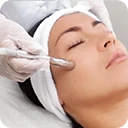
Gentler laser treatments such as Laser Genesis are often used to reduce redness, support more even tone, and improve overall skin quality without the intensity of a major resurfacing procedure. For some patients, these types of treatments fit better in late summer because they can be chosen with less downtime and more flexibility.
That said, “gentler” does not mean casual. If you have been heavily in the sun, have a recent tan, or are dealing with an actively irritated barrier, timing still matters. Red skin is not always ready skin.
Texture changes and collagen support
Sometimes the issue is not color at all. Skin just feels rough. Makeup sits oddly. Fine lines seem more obvious. The surface can look tired even when you are well rested.
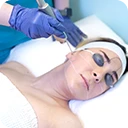
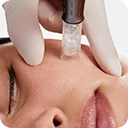
This is where collagen-stimulating treatments come in. Microneedling, RF microneedling, and other stimulation-based approaches focus more on texture, pore appearance, and fine lines than on pigment. They can be useful when the goal is gradual rebuilding rather than spot correction.
I like this category because it fits the reality of how skin ages and responds to summer. UV damage is not only visible on the surface. Over time, it affects structure. Treatments that support collagen can help address that slower, less dramatic kind of wear that people notice as “my skin just doesn’t bounce back the way it used to.”
Still, these are not one-size-fits-all options. If your barrier is fragile or your skin is inflamed, you may need a short period of repair first.
More intensive resurfacing
Then there are the heavier hitters, CO2 laser resurfacing and deeper RF microneedling among them. These treatments can make a real difference for texture, fine lines, and collagen stimulation, but they require more planning. You need to think about sun exposure, healing time, aftercare, and whether your calendar actually supports downtime.
This is where August becomes especially useful. An August consultation can help you decide whether you are a good candidate now or whether it is smarter to protect and prep your skin through the rest of summer, then book treatment once UV intensity and outdoor time drop.
A lot of regret in aesthetic skin care comes from doing the right treatment at the wrong time. Timing is not a side detail. It is part of the treatment.
The daily routine part that people underestimate
Professional treatments get the attention. Fair enough. They are visible, specific, and often effective. But if your home routine is sloppy, you make every treatment work harder than it should.
Sunscreen is daily, not situational
This is the non-negotiable piece. Broad-spectrum sunscreen matters on workdays, driving days, cloudy days, and those “I was only outside for 15 minutes” days. If you live in Vancouver, this is worth saying plainly because overcast weather tricks people into easing up. UV still gets through.
If you are trying to fade spots or calm redness, inconsistent sunscreen use can undo progress fast. It does not need to be complicated. Find one you will actually wear in the right amount, and reapply when you are outdoors for longer stretches.
Hydration and barrier repair are not boring extras
By late summer, plenty of skin is irritated in a sneaky way. It may not look obviously damaged, but it feels more reactive. That is often a barrier issue.
A barrier-supportive routine usually means a gentle cleanser, a well-formulated moisturizer, and hydrating ingredients your skin tolerates well. Sometimes people need less, not more. Heat and sweat can tempt you to over-cleanse, and social media has convinced half the internet that five active products before breakfast is discipline. It is often just too much.
When skin is dehydrated and inflamed, even good treatments can become harder to tolerate. Repairing the barrier first is not glamorous, but it is practical. It tends to improve comfort, responsiveness, and results.
Be careful with actives on stressed skin
Retinoids, exfoliating acids, pigment serums, vitamin C, benzoyl peroxide, brightening pads, peel masks. Each one can have a role. The problem is when people layer all of them on already stressed summer skin because they want fast correction.
That usually backfires.
If your skin is stinging, peeling, flushing, or feeling tight all the time, do not respond by escalating. Pull back. Simplify. Then add back what makes sense, ideally with professional guidance if you are also planning procedures.
How to choose the right approach for your skin
This is the part people want turned into a quick chart, but real skin does not behave that neatly.
The best treatment plan depends on several things at once:
-
Your skin type and tone
-
Whether the issue is pigment, redness, texture, fine lines, or a mix
-
How much recent sun exposure you have had
-
Whether your skin is sensitive or currently irritated
-
What your daily routine already includes
-
How much downtime you can honestly tolerate
-
What you want long term, not just before one event
That last point matters more than most people expect. If you want general skin rejuvenation over the next six months, your plan may look very different from someone trying to quickly address a few isolated spots.
An in-person assessment is worth it because trends are often too blunt for individual skin. A treatment going viral does not tell you whether it is right for olive skin with redness, or fair reactive skin with recent sun exposure, or deeper skin tones prone to post-inflammatory hyperpigmentation. Those details decide outcomes.
A realistic August plan
If you are wondering what to actually do this month, here is the sensible version.
Start by looking at your skin honestly. Is the main issue dark spots? General dullness? Texture? Redness? Sensitivity? Sometimes the answer is obvious. Sometimes it is a messy overlap.
Then make sure your baseline routine is solid. Daily sunscreen. Gentle cleansing. Consistent moisturizer. Fewer random actives. If your skin is irritated, spend a couple of weeks calming it down instead of pushing through.
Next, book a consultation if you are considering in-clinic treatment. August is the right time to ask practical questions: What can I start now? What should wait? Do I need a series? How do I prepare? What is realistic by fall?
From there, your provider can help separate what is safe to treat immediately from what is better scheduled later. Maybe you start with a gentler laser for redness and tone now, then move to collagen-focused treatment in early fall. Maybe you address pigmentation first. Maybe the smartest move is to protect, hydrate, and hold off on deeper resurfacing until your summer sun exposure is fully behind you.
That kind of plan is less exciting than a dramatic one-session promise. It is also more believable.
The bigger point
Repairing summer skin damage does not mean declaring war on your face because you spent time outside. Skin changes in summer. That is normal. The goal is not perfection. It is getting your skin back to a healthier, more even, more comfortable state without creating new problems in the process.
August is a useful checkpoint because it gives you options. Enough summer has passed that the damage is visible. Enough of the year is left that you can still act thoughtfully. You can protect what is healthy, treat what makes sense now, and line up the rest for the right season.
That is a better approach than waiting too long, or rushing into the strongest treatment because you are frustrated.
Good skin repair is part timing, part discipline, and part knowing when to do less. August happens to be a very good month for all three.