




























A lot of people assume Laser Hair Removal has to stop the moment summer starts. I get why. Sun, heat, vacations, pool days, tanning, last-minute beach plans, it all sounds like a bad mix with laser treatments.
But the short answer is simpler than people expect: you can continue Laser Hair Removal through summer if you’re careful about sun exposure and honest about your skin. In fact, summer can be a perfectly reasonable time to stay on track, especially when you’re treating areas that don’t get much sun, like the underarms or Brazilian area.
The main thing to remember is this: laser-treated skin is a bit more reactive for a while. That doesn’t mean you have to hide indoors. It means you need to protect the area well enough that healing stays calm and your results stay consistent.
Why summer isn’t automatically off-limits
Laser treatments work by targeting pigment in the hair follicle. That process creates temporary inflammation in the skin, which is normal. The issue is that recently treated skin is more sensitive to UV exposure, and that’s where trouble can start.
When skin is exposed to too much sun after treatment, the risk of irritation goes up. You may see more redness, more discomfort, or pigment changes that take time to settle. A recent tan also makes treatment riskier because tanned skin contains more melanin, which absorbs more laser energy and heat.
That’s the part people often miss. Summer itself is not the problem. Unprotected sun exposure is the problem.
If you’re thoughtful about timing and protection, there’s no reason many clients can’t continue their sessions through the warmer months.
The best areas to treat during summer
Some treatment areas are simply easier to manage in summer because they stay covered most of the time. This is where summer Laser Hair Removal makes the most sense.
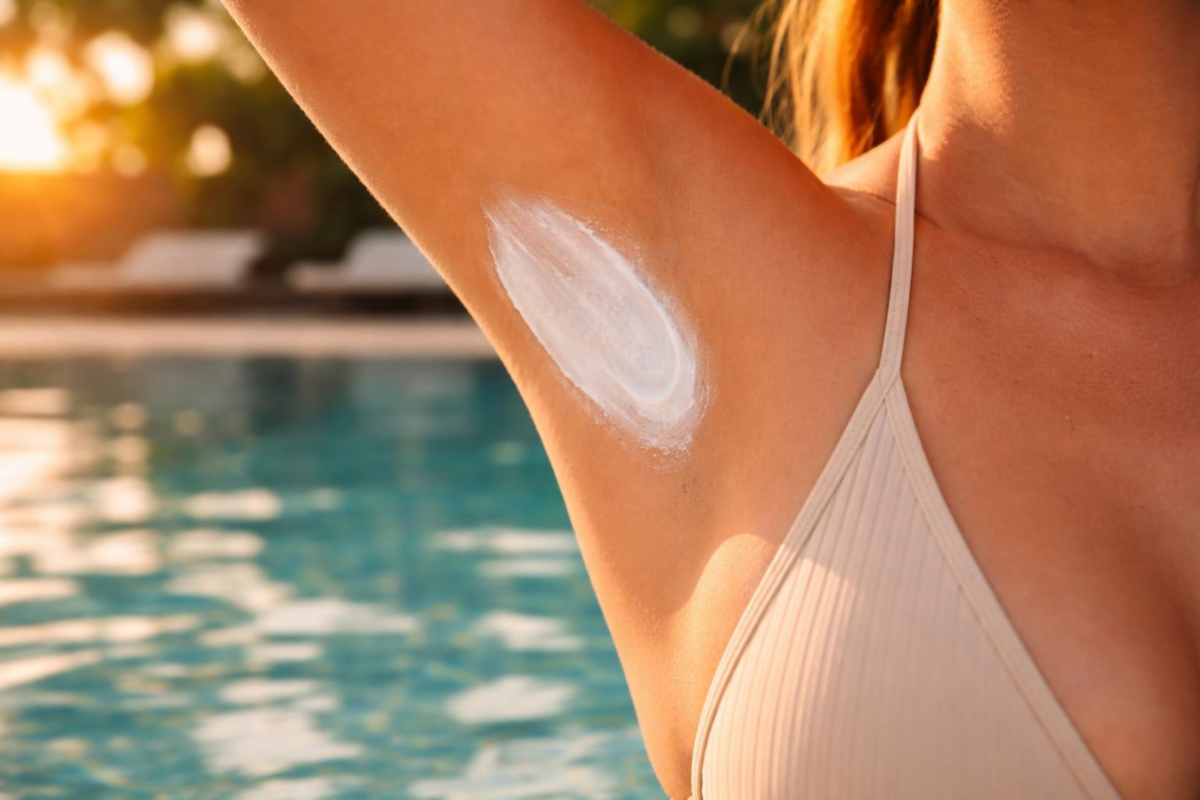
Underarms are a common choice. They’re easy to protect, and most people aren’t exposing them to direct sunlight for long stretches. The Brazilian area is another practical option because it’s usually covered by clothing or swimwear, and it’s easier to avoid accidental sun exposure compared with legs or arms.
That doesn’t mean other areas are impossible. It just means you need to be realistic. If you know you’ll spend every weekend in shorts, tank tops, or a swimsuit, treating larger sun-exposed zones may require more planning.
This is where a good consultation matters. A professional provider can look at your recent sun exposure, your skin tone, and the areas you want treated, then help you decide what makes sense right now and what may be better saved for another season. That kind of planning is part of why a reputable beauty clinic is worth it.
The difference between passive sun and real sun exposure
Here’s where the conversation gets more practical.
Not all sun exposure carries the same level of risk. Walking to your car, sitting on a shaded patio, or being outside briefly for errands is very different from lying in full sun for hours. Passive exposure is usually low risk, especially if the treated area is covered or protected with sunscreen. Prolonged, direct exposure is where providers get concerned.
So if your summer life looks like morning walks, commuting, a bit of patio time, and normal day-to-day activity, that’s one situation.
If it looks like tanning, beach days, long hikes in midday sun, outdoor sports tournaments, or poolside afternoons with minimal coverage, that’s another.
You don’t need to panic over every minute outside. You do need to avoid the kind of exposure that leaves skin heated, irritated, or tanned.
Why zinc oxide sunscreen matters after laser
Post-laser sun protection isn’t the time to use whatever sunscreen is floating around in your beach bag.
A physical, mineral sunscreen with zinc oxide is usually the better choice after Laser Hair Removal. Zinc oxide sits on the skin and helps reflect UV rays rather than relying only on chemical absorption. For freshly treated skin, that can feel gentler and more reliable.
Look for a broad-spectrum, high-SPF formula with zinc oxide. Then use enough of it. Most sunscreen problems come down to underapplying, not choosing the wrong bottle.
A solid routine looks like this:
- Apply sunscreen generously about 15 minutes before going outside.
- Reapply every two hours if you remain outdoors.
- Reapply sooner after sweating or swimming.
- Add physical protection when you can, like a hat, sleeves, or more covering swimwear.
That last point matters more than people think. Sunscreen is helpful, but fabric is often better. If a treated area can be covered, cover it.
What tanning does to treatment safety
This is the part worth taking seriously.
A recent tan increases the risk of burns and pigmentation problems because the laser may respond to the extra melanin in the skin, not just the hair. Even a tan that feels “light” or “mostly faded” may still matter.
A common rule is to wait about four weeks after significant sun exposure before having treatment. After that, any remaining tan is often considered non-active and generally safer to assess. Still, skin doesn’t read calendars. If you’re unsure whether your tan has faded enough, ask your provider before your appointment instead of guessing.
That’s not being overly cautious. It’s smart. It’s far easier to delay one session than to deal with a burn or pigmentation issue afterward.
If you’ve just come back from a tropical vacation, spent several days at the lake, or noticed visible color change in the area you want treated, speak up. A qualified provider would rather reschedule than push ahead when your skin isn’t ready.
Smart summer habits that make a big difference
The best summer laser plan usually comes down to a few boring habits. Boring, yes. Effective, also yes.
Wear breathable clothes that still protect treated areas. If you’re treating bikini-area skin, more coverage in your swimwear can help. Boy-short bottoms, wraps, or loose cover-ups make a real difference between the treatment room and the beach chair.
Try to schedule outdoor activities earlier in the morning or later in the afternoon, when the sun is less aggressive. Midday sun is simply harder on healing skin.
Stay hydrated. It sounds small, but skin that’s supported tends to recover better than skin that’s dry, overheated, and stressed.
Most of all, stay consistent with your sessions. Laser Hair Removal works best as a series. Skipping too many appointments because of summer plans can drag out your timeline and make the whole process feel longer than it needs to be.
That’s one reason many people decide to keep going through summer instead of stopping for months. With the right precautions, consistency often wins.
What to do before your appointment
If you want smoother appointments and fewer surprises, do a quick check-in with yourself before each visit.
Have you had meaningful sun exposure in the last few weeks? Is the area tanned? Are you planning a beach trip right after treatment? Will you realistically be able to keep the area protected?
Those questions matter more than people think.
If the answer is “I’ll probably be in direct sun all weekend,” it may be worth adjusting your appointment timing. If the answer is “I’m mostly indoors, and the area stays covered,” summer treatment may fit just fine.
This is also where wellness consultations can help. Good providers don’t just perform the treatment. They help you time it around real life. That includes vacations, outdoor events, and the skin changes that happen when the weather heats up.
Summer laser works best when you’re honest about your habits
There’s no prize for pretending you won’t be in the sun.
If you love tanning, take frequent beach trips, or spend hours outdoors for work or recreation, that should be part of the conversation. The safest treatment plan is the one built around your actual routine, not your ideal one.
For some people, summer is the perfect time to continue Laser Hair Removal on lower-exposure areas. For others, it makes more sense to pause certain body areas and focus on zones that are easier to protect. There’s nothing wrong with either approach.
The point is to protect your skin and preserve your results, not force a schedule that doesn’t fit your life.
The bottom line
You do not have to give up Laser Hair Removal just because it’s summer. You do have to be more intentional.
A zinc-based sunscreen, sensible timing, protective clothing, and a little honesty about your sun habits go a long way. If you avoid fresh tans, protect treated skin carefully, and keep up with your appointments when appropriate, summer treatments can be both safe and effective.
For many people, this is actually the better move. You keep your progress going, avoid long treatment gaps, and head into the next season already ahead.
If you’re considering Laser Hair Removal in Vancouver, or you’re trying to figure out whether your current summer plans and treatment schedule can work together, a professional consultation is the best place to start. Good care is rarely about saying yes to everything. Sometimes it’s about treating the right area, at the right time, with the right precautions.