
















How IV Lounges Are Revitalizing Wellness in Vancouver
December 15, 2025
Why Laser Hair Removal Is Vancouver’s Top Choice for Smooth Skin
December 19, 2025
Understanding Non‑Invasive Sound Therapies: What Vancouver Wellness Seekers Should Know
The demand for non-invasive wellness and beauty treatments has grown rapidly in Vancouver, reflecting a global trend toward safer, more comfortable solutions for everything from chronic pain to skin rejuvenation. Among the most innovative options are sound-based therapies—specifically, shock wave therapy and ultrasound therapy. These approaches utilize the power of acoustic energy to stimulate the body’s natural healing processes, offering relief for musculoskeletal pain, support for tissue repair, and even aesthetic enhancements.
Sound therapies work by transmitting energy into tissues, prompting physiological responses based on the type of wave and its application. With minimal to no downtime and a lower risk profile compared to surgical interventions, they appeal to health-conscious individuals seeking effective yet gentle treatments. Whether you’re looking to ease persistent discomfort, recover from sports injuries, or enhance skin health, understanding the nuances of these technologies can help you make better choices for your personal wellness journey.
Selecting the most appropriate therapy involves considering factors such as the depth and nature of the condition, desired benefits—mechanical repair, inflammation reduction, or cosmetic improvement—and individual comfort levels. Educating yourself about these options ensures your experience at a Vancouver health and beauty clinic is both rewarding and tailored to your unique needs.
How Shock Wave Therapy Works: Indications, Benefits, Risks, and When It’s Recommended
Shock wave therapy is a medical technology that harnesses high-intensity acoustic pulses to trigger the body’s natural repair mechanisms. Delivered through a specialized applicator, these sound waves penetrate tissues, causing mechanical stimulation that promotes cellular regeneration and tissue healing. There are two primary types: focused shock waves, which reach deep structures like bones and dense tendons, and radial shock waves, which spread outward to treat more superficial tissues such as muscles and fascia.
This treatment is especially effective for stubborn calcifications, such as those found in calcific shoulder tendinopathy, plantar fasciitis with heel spurs, and other areas where calcium deposits impede normal function. Shock wave therapy also benefits conditions like tennis elbow, chronic lower back pain, and certain muscle disorders. Sessions usually last 10 to 15 minutes, with most patients requiring a short series of visits. While focused treatments may cause discomfort due to the depth and intensity, radial shock waves are generally well tolerated.
Costs for shock wave sessions in Vancouver clinics typically range from $50 to $80 per treatment, reflecting the advanced technology involved (professional devices can cost upwards of €10,000). While results are often impressive, there are important precautions: side effects may include temporary redness, swelling, or mild bruising. Treatment is contraindicated for individuals with certain medical implants, vascular issues, or pregnancy, and should be avoided in specific anatomical regions. For safety and best results, shock wave therapy should always be administered by trained professionals under medical guidance.
Ultrasound Therapy Explained: Uses, Aesthetic Applications, Safety, and Home vs. Clinic Options
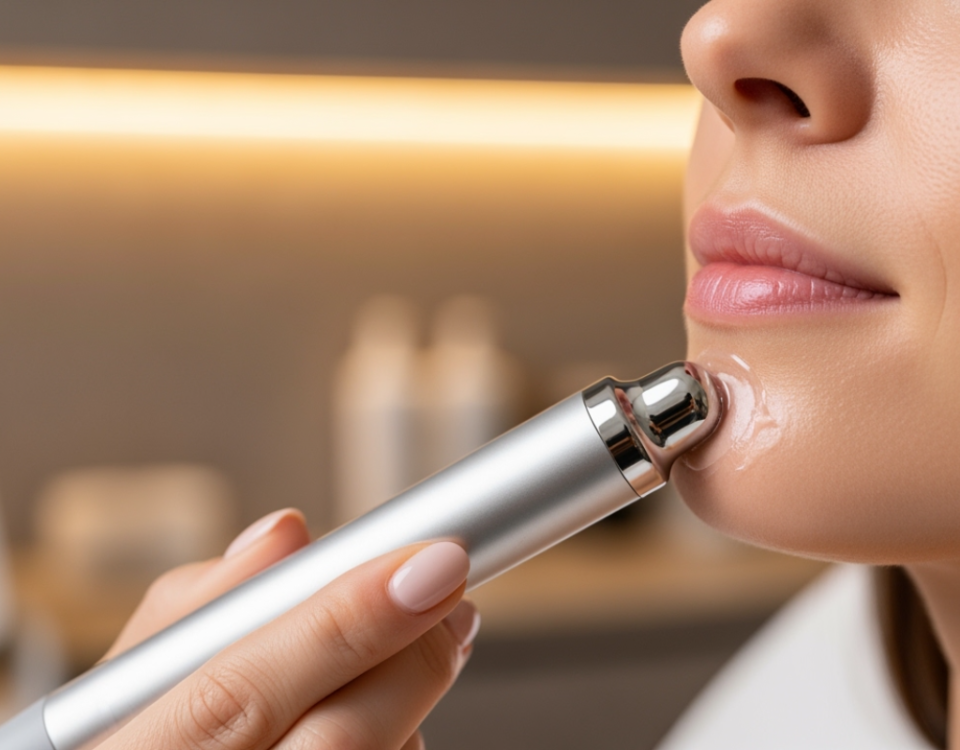
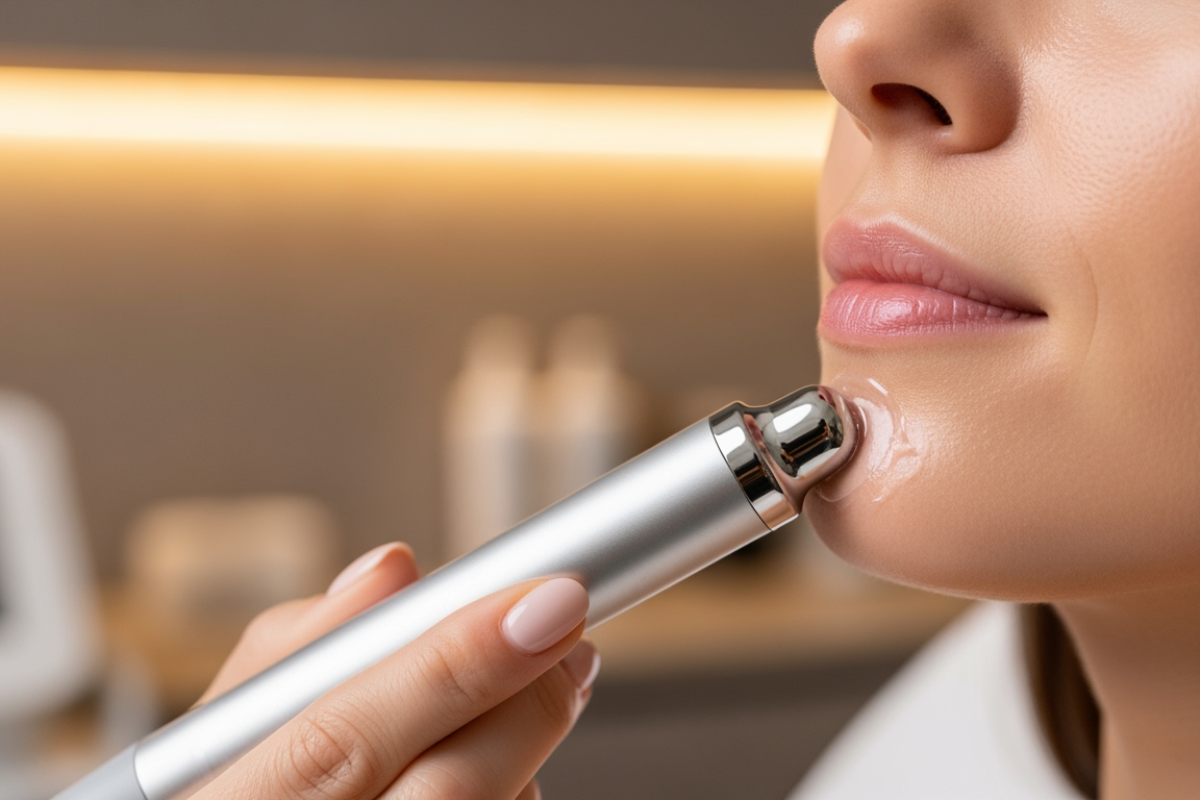
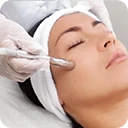
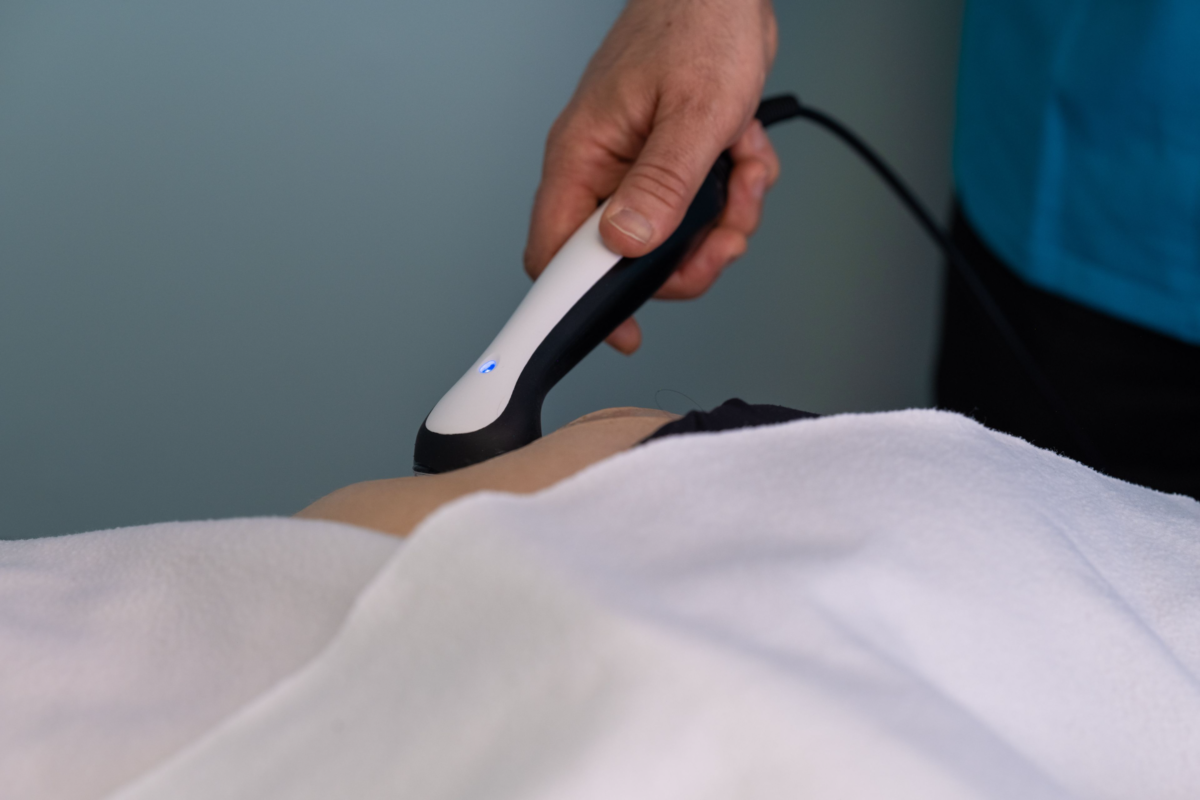
Ultrasound therapy is another cornerstone of non-invasive care. It employs high-frequency sound waves, transmitted through a conductive gel, to generate micro-vibrations and gentle heat within soft tissues. This results in increased blood flow, muscle relaxation, reduced inflammation, and accelerated healing. Ultrasound therapy is highly adaptable, making it suitable for conditions ranging from myofascial and muscle pain to tendonitis, carpal tunnel syndrome, and even certain neurological disorders.
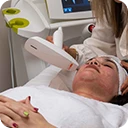
A unique and increasingly popular application is in the realm of aesthetics. Ultrasound waves can target cellulite, support facial skin rejuvenation, and assist in treating blemishes by promoting the absorption of active skincare ingredients—a process called phonophoresis. This capability sets ultrasound apart from shock waves, as it offers additional therapeutic possibilities for those seeking cosmetic improvement or enhanced topical treatments.
Safety is a hallmark of ultrasound therapy. Side effects are rare and typically mild, such as transient warmth or tingling. However, it’s not recommended for individuals with specific cardiovascular conditions, pregnancy, active infections, or unapproved metal implants. One of its greatest advantages is accessibility: certified home-use ultrasound devices allow users to continue treatment comfortably outside clinical settings, with devices costing around €200–€350. For more severe or complex cases, professional-grade devices in clinics offer advanced options, typically at a higher session cost but with expert supervision.
Ultrasound vs. Shock Waves: Key Differences, Pain Levels, Costs, and Choosing the Right Health Service
While both ultrasound and shock wave therapies utilize sound energy, their mechanisms, effects, and ideal applications differ significantly. Shock wave therapy works through powerful mechanical forces, making it a top choice for breaking down deep calcifications and triggering tissue repair in hard-to-reach areas. Focused shock waves can penetrate deep into bone and tendon, while radial waves are better for addressing surface-level issues like muscle knots and contractures.
Ultrasound, on the other hand, operates through both thermal and biostimulatory effects—using continuous or pulsed sound waves to increase circulation, reduce inflammation, and ease pain in soft tissues. Its ability to promote healing is paired with a generally painless experience, making it suitable for routine care, sensitive patients, and even aesthetic treatments like skin rejuvenation and enhanced ingredient delivery.
Pain levels vary: focused shock wave sessions may cause discomfort due to the intensity and depth of the waves, whereas radial shock waves are more comfortable. Ultrasound therapy, whether performed in a clinic or at home, is virtually painless and well tolerated. From a cost perspective, shock wave therapy sessions are priced higher due to the expense of professional-only devices and the need for expert administration. Ultrasound offers more budget-friendly options, especially with the availability of home devices for continued self-care.
When deciding between the two, consider your specific health goals, tolerance for discomfort, the depth of the issue (deep bone vs. soft tissue), and the convenience of home treatment versus supervised clinical care. Consulting with a knowledgeable wellness provider in Vancouver ensures your treatment plan aligns with your needs and preferences.
From Pain Relief to Skin Rejuvenation: How to Discuss Your Options in Wellness Consultations at a Vancouver Beauty Clinic
Your journey to better health or enhanced beauty begins with a comprehensive consultation at your chosen Vancouver clinic. This is your opportunity to openly share your symptoms, wellness goals, comfort levels, and any relevant medical history. Whether you are seeking relief from chronic pain, post-injury recovery, or non-surgical skin rejuvenation, clear communication with a practitioner ensures your unique concerns are addressed.
Ask about the suitability of each therapy for your condition, what outcomes to expect, potential side effects, and any specific contraindications based on your health profile. If you’re interested in combining treatments—for instance, pairing ultrasound with shock wave therapy for synergistic benefits—discuss this possibility and the supporting evidence with your provider.
Personalized care is a hallmark of respected Vancouver wellness and beauty clinics, where professionals tailor treatment plans to your lifestyle and objectives. They will help you weigh the pros and cons of each therapy, including whether a clinic-based or home-use device is more appropriate. This collaborative approach empowers you to make informed decisions, leading to greater satisfaction and optimal results—whether your focus is pain relief, rehabilitation, or radiant skin. Always ensure your chosen provider is certified and welcomes your questions, so you can move forward with confidence on your path to wellness and beauty.