







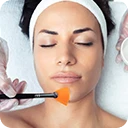
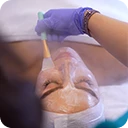
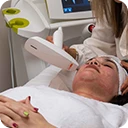
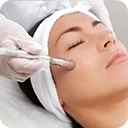









The appointment may be over, but your skin can still be recovering. After a peel, laser session, or injectable treatment, changes continue beneath the surface, sometimes long after visible redness has faded. What you apply, how much heat you encounter, and when you return to exercise can affect comfort and healing.
Season matters, too. Vancouver’s cooler months can leave recovering skin dry and tight, while summer brings more outdoor time, sweating, and sun exposure. Even a cloudy afternoon calls for attention to sun protection.
Good aftercare does not need to be complicated. It does need to match your procedure. Use this guide to understand common recommendations, then follow your treating practitioner’s written instructions whenever they differ. Treatment depth, device settings, medical history, and your skin’s response all influence recovery.
What Your Skin Needs During Recovery
Different treatments affect different tissues. Neuromodulators act on muscle activity, fillers add volume, and procedures such as chemical peels and microneedling create controlled skin injury. Their recovery instructions are not interchangeable.
For treatments that disrupt the skin barrier, the early priority is usually gentle cleansing, appropriate moisturization, and protection against irritation. Heat, friction, exfoliating products, and premature use of makeup can make already sensitive skin uncomfortable.
Injectables may leave the surface mostly intact, but swelling, bruising, and tenderness still deserve care. Pressing or massaging an area without instructions can be unhelpful.
More skincare is rarely better during recovery. A familiar serum that normally feels comfortable may sting after treatment. Keep the routine simple, and ask when to restart each active product rather than assuming that less redness means complete healing.
Adjusting Aftercare to Vancouver’s Seasons
Winter: Reduce Dryness Without Overheating
Cold air outdoors and heated indoor spaces can increase dryness. After skin rejuvenation procedures, that may feel like tightness, flaking, or increased sensitivity.
Use a gentle cleanser and the moisturizer recommended for your treatment. A heavier cream may help some people, but avoid adding unfamiliar products while your skin is recovering. Keep showers lukewarm rather than hot, and resist scrubbing away flakes.
Winter sun protection still matters. Clouds do not eliminate ultraviolet exposure, and snow can reflect UV radiation during mountain outings. A ski trip also brings cold wind and exercise, so discuss its timing before booking a procedure.
Spring and Summer: Plan Around Sun and Sweat
Longer days make incidental exposure easier to overlook. Walking to work, eating outside, or spending an afternoon by the water can add up.
Health Canada recommends broad-spectrum sunscreen with SPF 30 or higher. Once your practitioner says sunscreen can be applied, use it consistently and reapply according to the label, generally every two hours outdoors and after swimming or sweating. Hats, shade, and clothing provide protection that sunscreen alone cannot.
Avoid tanning on treated areas. If beach days, outdoor sports, or travel will make aftercare difficult, rescheduling treatment may be the more practical choice.
Fall: Keep SPF and Reassess Moisture
Cooler weather does not signal the end of UV exposure. Continue sun protection while adjusting your moisturizer if indoor heating or cooler air causes dryness.
Fall can be a convenient time for some procedures, but the calendar is not a safety guarantee. Recent tanning, upcoming travel, and your ability to follow recovery instructions matter more than the month.
Aftercare by Treatment Type
Neuromodulator Injections
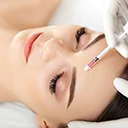
Small injection-site bumps, mild tenderness, or bruising may occur after neuromodulator injections. Many clinics advise remaining upright for about four hours and avoiding rubbing or massaging the treated areas that day. Specific restrictions vary, and evidence supporting some traditional rules is limited, so follow your injector’s directions.
A common protocol is to pause strenuous exercise for 24 hours and avoid facials, saunas, or steam rooms for 48 hours. Avoiding alcohol for the rest of treatment day may help limit bruising.
Changes often begin within three to five days, although onset varies by product and person. Full results are usually assessed around two weeks. Checking movement repeatedly on day two will not tell you the final outcome.
Dermal Fillers
Swelling and bruising are common after filler, especially in the lips. Swelling may be most noticeable during the first 48 to 72 hours, and some residual swelling can last longer.
If approved by your injector, use a cloth-wrapped cold compress gently, without firm pressure. Sleeping with your head slightly elevated may also help. Do not massage filler unless specifically instructed.
Some protocols recommend avoiding high heat for about a week. Travel advice varies; discuss flights near your appointment, particularly after lip filler, so you understand follow-up access and swelling concerns.
Ask before using ibuprofen or other medicines that may increase bruising. Never stop prescribed medication, including blood thinners, on your own.
Arrange a review if unevenness remains after about two weeks. Severe pain, unusual skin discoloration, or vision symptoms require urgent attention, not a routine follow-up.
Laser Hair Removal
Temporary redness and swelling around hair follicles can follow laser hair removal. Protect the area against sun exposure, commonly for at least two weeks afterward, and use broad-spectrum SPF 30 or higher on exposed skin once permitted.
Avoid self-tanner for the period specified by your provider, often two weeks before and after treatment. Tell the practitioner about any recent tanning before another session.
Hot showers, baths, steam rooms, and heavy sweating are commonly restricted for 24 to 48 hours. Scrubs, retinol, and exfoliating acids may need to stay off treated skin for about a week.
Hair removal methods need separate consideration. Shaving can usually resume once irritation has settled and your provider approves; some protocols require several days. Waxing and plucking are generally avoided throughout a laser treatment course because they remove the hair targeted by treatment.
Chemical Peels
Peeling often becomes noticeable around days two through five after a superficial peel, but timing and recovery vary considerably with peel depth.
Let loose skin shed naturally. Pulling at a flake can injure the skin underneath and increase the risk of discoloration or scarring. Moisturize as instructed rather than trying to exfoliate the peeling away.
Pause retinol, alpha hydroxy acids, beta hydroxy acids, and other exfoliants until your practitioner clears them. Deeper peels may require wound care beyond an ordinary skincare routine.
Heavy-sweat workouts are often restricted for at least 48 hours. Pools and hot tubs may need to wait a week or longer, until healing is adequate. The Canadian Dermatology Association advises consulting a qualified practitioner and following treatment-specific post-peel instructions.
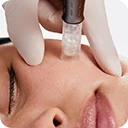
Microneedling
Redness, warmth, and a sunburn-like feeling are common for the first 24 to 48 hours after microneedling. More intensive treatment may take longer to settle.
Many protocols recommend avoiding makeup for at least 24 hours and using only approved, gentle products during the first 72 hours. Ask when to begin cleansing, since immediate post-treatment instructions differ.
Retinol, vitamin C, and exfoliating acids are commonly paused for at least five days and longer if irritation remains. Sunscreen often resumes the next morning, according to your practitioner’s instructions. Until then, avoid direct sun and use physical shade.
Avoid heavy sweating for at least 24 hours; returning to strenuous exercise may require 24 to 48 hours or longer. Early brightness can appear within days, while collagen-related improvements usually develop over subsequent weeks and months.
Radiofrequency Microneedling
Radiofrequency microneedling combines needles with heat delivered into the skin. Redness, mild swelling, and pinpoint bruising can last two to five days, depending on treatment intensity.
Keep the area clean and moisturized with approved products. Makeup commonly needs to wait 24 to 48 hours, and retinol, acids, and vitamin C may be restricted for a week or longer.
Many protocols advise avoiding strenuous exercise for 48 hours and saunas, steam rooms, or hot tubs for about a week. Begin sunscreen when directed, often the following morning.
Results develop gradually. Collagen remodeling can continue over three to six months, so early swelling should not be mistaken for the final effect.
Returning to Makeup, Exercise, and Your Usual Routine
When Can You Wear Makeup?
After injectables, some practitioners allow gentle makeup application after several hours, once puncture sites have closed. Others recommend waiting until the next day. Avoid rubbing, firm brushes, or pressure over treated areas.
After microneedling, radiofrequency microneedling, peels, or laser procedures, a minimum 24-hour pause is common, but it is not universal. Deeper treatments may need considerably longer.
Resume with clean hands, clean tools, and products your skin tolerates. “Fragrance-free” is useful, but it does not guarantee a product will be suitable for healing skin.
When Can You Exercise?
A 24-hour pause is common after injectables, while skin procedures often require 24 to 48 hours or longer. Strenuous exercise raises body temperature and can aggravate early redness, swelling, or bruising.
A gentle walk may be acceptable when a hot yoga class is not. The difference is heat, exertion, sweat, and friction, not simply whether an activity counts as exercise. Ask specifically about swimming, helmets, tight workout clothing, or contact sports when relevant.
When Can Active Skincare Restart?
Use the treatment’s minimum waiting period as a starting point, not an automatic restart date. If skin is still peeling, tender, or irritated, contact your practitioner before reintroducing active products.
Restart gradually rather than applying retinol, acids, and vitamin C together on the first eligible night. Continue appropriate hydration and regular meals, but do not expect extra water or supplements to accelerate normal healing.
Know When Recovery Needs Medical Attention
Mild redness or swelling should generally trend toward improvement, although the expected timeline depends on the procedure. Contact your treating practitioner if symptoms worsen after initial improvement, persist beyond the expected recovery window, or worry you.
Spreading redness, increasing warmth, pus, fever, blisters, or open sores need prompt assessment. Do not cover a possible complication with makeup and wait for an online opinion.
After filler, severe or increasing pain, pale or dusky skin, or a mottled appearance can signal impaired blood supply and require immediate contact with the injector and urgent assessment. Vision changes, eye pain, or stroke-like symptoms are emergencies. Call emergency services immediately.
Rarely, neuromodulators can cause serious symptoms such as difficulty swallowing, speaking, or breathing. Seek emergency care for these symptoms.
Make Aftercare Part of the Appointment
Before leaving, get written instructions and a clear contact route for concerns. Confirm when you can cleanse, apply sunscreen, wear makeup, exercise, and restart your regular products. Mention upcoming flights, outdoor plans, and medications before treatment rather than afterward.
Seasonal adjustments help make those instructions workable. In winter, that may mean managing dryness without hot showers. In summer, it may mean postponing a procedure until you can avoid sun and swimming.
The most useful aftercare routine is usually a modest one: protect healing skin, avoid unnecessary irritation, and give results time to develop. Your skin’s response and your practitioner’s guidance should set the pace.