






























A lot of people hear the word “filler” and assume every injectable does the same thing. That’s not really true. Sculptra is a good example of why that shortcut can be misleading.
Unlike fillers that mainly add immediate volume, Sculptra works by nudging your body to make more of its own collagen over time. That difference matters. It changes how results show up, who tends to like it, and what kind of expectations make sense going in.
If you’re researching skin rejuvenation or body contouring options at a beauty clinic in Vancouver, or anywhere else, Sculptra is one of those treatments worth understanding before you book anything. It can be a strong option for some concerns, but it is not a magic wand and it is not the right fit for every person or every treatment area.
What Sculptra actually is
Sculptra is an injectable dermal filler made from poly-L-lactic acid, often shortened to PLLA. After it is injected beneath the skin in a gel-like form, the liquid part is absorbed over time. What matters most is what happens next: the poly-L-lactic acid stimulates collagen production.
Collagen is one of the structural proteins that helps skin stay firm and supported. As we age, collagen declines. That loss shows up in different ways, including deeper folds, hollow areas, thinner-looking skin, and contour changes.
So Sculptra is less about “filling a line” in the way many people imagine, and more about rebuilding support gradually. That’s why it often appeals to people who want a softer, more natural progression instead of a sudden, obvious change.
It is not permanent. Results often last more than two years, though maintenance treatments may be needed every few years depending on the area treated, your goals, and how your body responds.
How Sculptra is different from traditional fillers
This is where expectations can go wrong if no one explains the difference clearly.
Some fillers, especially hyaluronic acid fillers, are known for giving visible volume right away. Sculptra usually does not work like that. You may notice some immediate fullness at first, but much of that early effect is temporary and related to the injected fluid. The more meaningful result shows up later as collagen develops.
That slow build is not a flaw. For many people, it is the point.
Sculptra can be useful when the goal is to improve deeper volume loss, soften contour irregularities, or support skin structure rather than simply plump one specific spot. It is often chosen by people who want improvement that looks less “done” and more like they gradually look rested or fuller again.
The trade-off is patience. If you want instant correction before a wedding next weekend, Sculptra is probably not the treatment you’d choose. If you’re comfortable with gradual change over several weeks, it makes more sense.
Common areas treated with Sculptra
Sculptra is used in several parts of the body, depending on the concern being addressed.
One major use is for areas with deep wrinkles or recessed skin. It can also help with contour irregularities, where the skin or underlying volume looks uneven or indented. Another well-known use is for lipoatrophy, including facial fat loss related to HIV.
Beyond the face, Sculptra is also used in the buttocks and hips to improve shape or soften dips and hollows. When people talk about non-surgical body contouring, this is one reason Sculptra comes up in the conversation. It can help create a fuller look in certain areas without surgery, though it still requires a careful treatment plan and realistic expectations.
This part matters: “common” does not mean “appropriate for everyone.” The best treatment area depends on skin quality, anatomy, health history, and what result you actually want. Some people are better candidates for collagen stimulation. Others need a different approach entirely.
Who tends to be a good candidate
Sculptra may be a good fit for people who want to reduce deep wrinkles, improve volume loss, soften contour depressions, or support collagen in areas that look hollow or uneven.
In broad terms, a good candidate is usually someone who:
- wants gradual improvement rather than instant dramatic change
- has realistic expectations
- is in good general health
- is comfortable with the idea that maintenance may be needed later
A qualified provider will usually review several things before treatment. That includes your health history, allergies, medications, supplements, and any cosmetic procedures you’ve had before. Those details are not paperwork for the sake of paperwork. They help identify safety issues and reduce the chance of a result that doesn’t match your goals.
Sculptra is not appropriate for everyone. People with allergies or sensitivities to the product’s components are not good candidates. It may also be unsuitable for people with impaired healing. If your body does not heal normally, any injectable treatment deserves extra caution.
This is one place where a proper consultation matters more than marketing. Plenty of people who already use aesthetic health services, or even treatments unrelated to injectables like laser hair removal, assume every cosmetic procedure follows the same easy pattern. It doesn’t. Sculptra deserves an honest medical screening first.
What happens before the treatment
The consultation is usually straightforward, but it should be thorough.
You’ll talk about your goals, the areas bothering you, and what kind of improvement you hope to see. A provider may take photographs to document your starting point. That can feel a little awkward in the moment, but it is useful. Gradual treatments are harder to judge from memory alone, and photos make progress much easier to track.
The provider should also explain risks, side effects, likely timing of results, and how often treatment may need to be repeated. If any consultation skips over those points, I’d take that as a bad sign. Cosmetic medicine still involves medicine.
This is also the time to mention any supplements or medications you take, especially anything that might affect bruising or healing. Even something that feels minor to you may be relevant.
What the procedure is like
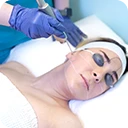
Sculptra is a non-surgical, office-based treatment. You remain awake the whole time.
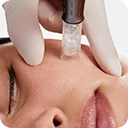
The area is cleaned first. In some cases, a topical anesthetic is applied to make the experience more comfortable. Then the product is injected beneath the skin using a small needle.
Most people describe the sensation as pressure, pinching, or mild discomfort rather than significant pain. That said, pain tolerance is personal. One person’s “barely anything” is another person’s “I was glad it was over quickly.” Both reactions are normal.
The appointment itself is usually fairly manageable. There is no general anesthesia, no operating room, and no hospital stay. That convenience is part of the appeal for people who want an option with less downtime than surgery.
What recovery looks like
Recovery after Sculptra is usually quick.
Most people can go back to normal daily activities right away. That makes it easier to fit into real life, which is one reason these treatments stay popular. Still, “minimal downtime” does not mean “nothing happened.” Your skin and tissues still need a little time to settle.
You’ll usually be told to avoid strenuous exercise for at least 24 hours. Mild swelling, bruising, soreness, itching, or temporary skin discoloration can happen for a few days after treatment. These are common reactions and usually settle on their own.
Less commonly, some people notice bumps or lumps under the skin. This is one reason technique matters so much. A trained injector and good follow-up make a difference.
There are also moments when you should check back with your provider instead of waiting it out. If bruising lasts longer than about a week, or if you have severe pain that does not improve with over-the-counter NSAIDs, it’s worth contacting the clinic. Cosmetic treatments should not leave you guessing about whether something is normal.
When results show up
Sculptra asks for patience.
Results develop gradually because your body needs time to produce collagen. Many people start to see changes around four to six weeks after treatment, with fuller improvement becoming easier to appreciate as collagen continues to build.
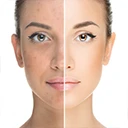
If you like clear, instant before-and-after moments, Sculptra can feel a little strange at first. You walk out having had injections, but the real result is still pending. Some people love that because it looks subtle and natural. Others find it frustrating. Neither reaction is wrong. It just depends on what kind of treatment experience you want.
The slow onset is also why follow-up matters. You and your provider may need time to assess how much correction was achieved and whether maintenance treatment makes sense later.
How long Sculptra lasts
Sculptra is not permanent, but the effects can last a long time. For many people, results last more than two years.
That duration is one of its big selling points, though I think it helps to frame it realistically. “Long-lasting” does not mean frozen in place forever. Your body keeps aging, collagen changes over time, and your face or body will keep shifting with weight changes, hormones, and normal biology.
Maintenance injections may be needed to keep the effect going. How often that happens depends on the treatment area and your personal response. Some people are happy with occasional touch-ups. Others need a more structured long-term plan.
Benefits people often care about most
Sculptra has a few clear advantages.
First, it can reduce fine lines and deeper wrinkles while also improving overall support under the skin. That broader structural effect is different from simply filling one crease.
Second, it promotes your own collagen production. For people who want a result that unfolds gradually and can feel less obvious to others, that’s appealing.
Third, recovery is usually easier than with surgery. There is often minimal downtime, and normal activities can resume quickly.
Sculptra is also considered safe when administered appropriately, and it has FDA-approved uses. Still, safe does not mean casual. The injector’s training, the treatment plan, and your medical history all matter.
Risks and side effects to keep in mind
No injectable is free of risk, and pretending otherwise does not help anyone.
Common side effects can include swelling, bruising, pain, itching, tenderness, and temporary discoloration where the product was injected. These effects are usually mild and short-lived.
A less common issue is the development of lumps or bumps under the skin. Sometimes these are temporary and minor. Sometimes they need assessment. Either way, it’s better to know they are possible before treatment instead of feeling blindsided after.
A good consultation should cover the likely side effects in plain language, not bury them in fine print. You should know what is normal, what is annoying but temporary, and what deserves medical follow-up.
Questions worth asking before you commit
If you’re considering Sculptra, these are smart questions to bring to a consultation:
- Am I a good candidate for Sculptra specifically, or would another injectable suit my goals better?
- What kind of result can I reasonably expect in my treatment area?
- How long will it take before I start seeing change?
- What side effects are most common in my case?
- How many treatments might I need now, and what maintenance could look like later?
- What should make me call the provider after treatment?
Those questions can tell you a lot, not just from the answers themselves, but from how clearly they’re answered.
The bottom line
Sculptra is a collagen-stimulating injectable designed to improve volume loss, contour irregularities, and deeper wrinkles over time. It works differently from fillers that provide immediate plumping, and that difference is really the whole story.
For the right person, Sculptra can be a strong option. It offers gradual change, long-lasting improvement, and relatively quick recovery compared with surgery. For the wrong person, or in the wrong hands, it can lead to disappointment, side effects, or expectations that were never realistic to begin with.
If you’re exploring skin rejuvenation, body contouring, or wellness consultations and Sculptra is on your list, the best next step is not chasing the flashiest before-and-after photo. It’s finding a qualified provider who will assess your health, listen to your goals, and tell you honestly whether this treatment fits. That kind of conversation is less exciting than marketing, but it’s usually where good results begin.