




















Skin treatments can get confusing fast. A lot of them promise the same thing, smoother texture, fewer lines, better tone, firmer skin. RF microneedling is one of the few treatments that actually has a clear reason for doing all that. It combines two proven ideas in one session: controlled micro-injuries from tiny needles, and heat from radiofrequency energy delivered below the skin’s surface.
That combination matters. Traditional microneedling already pushes the skin to repair itself. Radiofrequency takes that repair response deeper and makes it more targeted. The goal is not to “erase” skin history overnight. Realistically, it is to encourage new collagen and elastin so skin gradually looks tighter, more even, and more refined.
If you are curious about skin rejuvenation and want to understand what this treatment really does, here is the practical version.
What RF microneedling is
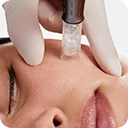
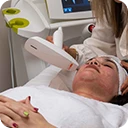
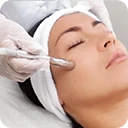
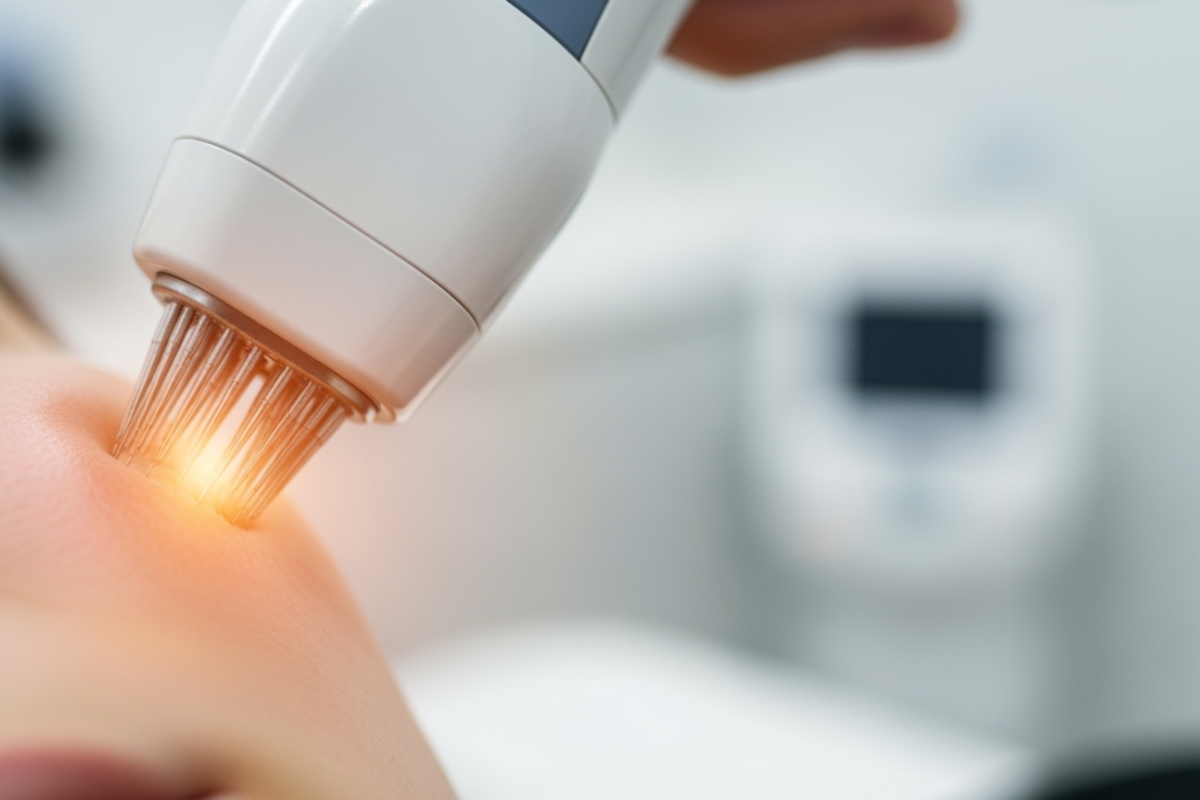
RF microneedling uses a device with fine needles that briefly enter the skin at controlled depths. Once the needles are in place, the device releases radiofrequency energy into the deeper layers. The needles create tiny channels. The heat adds another layer of stimulation. Together, they trigger wound healing and collagen remodeling.
That sounds clinical because it is. But the idea is straightforward. Your skin notices a controlled injury and starts repairing itself. Fibroblasts, the cells involved in making collagen and elastin, get to work. Over time, the skin structure becomes stronger and more organized.
This is why people often describe RF microneedling results as gradual. You may notice an early “glow” once the initial redness fades, but the bigger changes usually come later, after the skin has had time to rebuild.
Why the radiofrequency part changes the game
Traditional microneedling is useful on its own. RF microneedling goes further because the heat energy reaches the dermis, where collagen remodeling really matters. That thermal effect can help tighten tissue in a way standard microneedling often cannot.
Think of it this way. Needling tells the skin, “repair this area.” Radiofrequency adds, “and do it deeper, with more tightening.”
That is why RF microneedling is often used for concerns like:
- fine lines and early wrinkles
- acne scars
- enlarged pores
- rough or uneven texture
- mild skin laxity
- crepey skin in small areas
- some stretch marks
It is not a facelift in disguise. I think that expectation trips people up. If someone has significant sagging or a lot of excess skin, this treatment may help quality and firmness, but it will not replace surgery. Where it tends to shine is in the middle ground, skin that looks tired, loose, marked, or uneven, but still has enough structure to respond well.
How it works beneath the surface
Collagen gets talked about so much that it almost stops meaning anything. Here, it matters.
As skin ages, collagen production slows, and existing collagen breaks down. Sun exposure speeds that process up. So do inflammation, acne scarring, and plain old time. Skin may start to look thinner, looser, or less smooth.
RF microneedling addresses that in a few ways.
First, the needles create micro-injuries. That stimulates a healing response. Second, the radiofrequency energy heats tissue at a controlled depth. Heat causes collagen fibers to contract, which can create some early tightening. More importantly, it also encourages new collagen formation over the following weeks and months.
Many devices allow practitioners to adjust needle depth and energy settings based on the treatment area and the concern being treated. That matters because cheeks, forehead, jawline, neck, and scarred areas do not all need the same approach. A careful treatment plan is usually more important than the device hype.
What skin concerns it can improve
RF microneedling is often described as a “do a bit of everything” treatment, and honestly, that is mostly fair. It is not perfect for every problem, but it can improve several common concerns at once.
Fine lines and crepey texture
The collagen response can soften early lines, especially around the eyes, mouth, cheeks, and neck. It tends to work best on fine lines and mild texture changes rather than deep folds.
Acne scars
This is one of the most interesting uses. Atrophic acne scars, the indented kind, often respond well because the treatment helps remodel scar tissue and improve collagen support around the depression. Results vary by scar type. Ice pick scars, for example, can be stubborn and may need a combination approach.
Enlarged pores
Pore size is partly genetic, which is annoying but true. You cannot permanently erase pores. You can, however, make them look smaller by tightening surrounding tissue and improving skin texture. RF microneedling often helps here.
Mild laxity
Some people want tighter lower face or neck skin but are not ready for more invasive procedures. RF microneedling can be a reasonable option when laxity is mild to moderate.
Uneven texture and post-acne roughness
When skin feels bumpy, dull, or generally “not smooth anymore,” this treatment can improve the surface without focusing only on one issue.
If you are comparing options and want a treatment overview specific to the area, this guide to RF microneedling treatment details in Vancouver gives a useful snapshot of how the procedure is commonly presented in a clinical setting.
RF microneedling versus traditional microneedling
People lump these together, but the difference is worth understanding.
Traditional microneedling relies on needle injury alone. It can improve texture, mild scarring, and overall skin quality. It is often a good entry point for skin rejuvenation.
RF microneedling adds heat delivered into the skin through the needles. That extra energy makes it more effective for tightening and for concerns that benefit from deeper remodeling.
In simple terms:
- Traditional microneedling is usually better known for texture and surface renewal.
- RF microneedling often has an edge for laxity, acne scars, and more noticeable collagen stimulation.
- Downtime can be a bit different depending on device settings, depth, and skin sensitivity.
Neither treatment is automatically “better” for every person. It depends on what you are trying to fix.
What a treatment session usually looks like
Most people want the practical version first. Fair enough.
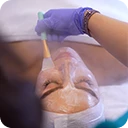
A typical session starts with cleansing the skin and applying a topical numbing cream. That usually sits for a while so the treatment is more comfortable. Once the skin is numb, the provider passes the device across the treatment area using settings chosen for your skin and goals.
You may feel pressure, vibration, heat, or quick prickling sensations. Some areas, especially around the jawline or forehead, can feel sharper than others. “Completely painless” is not the phrase I would use, but many people tolerate it well with numbing.
A session often follows this rough sequence:
- Skin assessment and treatment planning
- Cleansing and numbing
- Delivery of RF microneedling across the target area
- Application of calming products afterward
- Review of aftercare instructions
The whole visit may take longer than the actual treatment itself because numbing time is part of the process.
Right after, the skin often looks pink or red, similar to a moderate sunburn. Some swelling, warmth, or a grid-like pattern can show up for a day or two. Skin may feel tight and a little rough as it heals.
When you will see results, and how long they last
This is where patience helps.
You might notice some early improvement in brightness or texture within a week or two, mostly once swelling settles and the surface begins to smooth out. The more meaningful changes usually appear later because collagen remodeling takes time. Many people see progressive improvement over two to three months after a session, sometimes longer.
A single treatment can make a difference, but a series often works better, especially for acne scars or laxity. Three sessions spaced several weeks apart is common, though plans vary.
How long results last depends on age, skin condition, sun exposure, smoking status, hormones, and general skincare habits. Collagen does not stop aging because you had a treatment. Maintenance sessions are common if someone wants to keep the gains going.
Who is a good candidate
RF microneedling tends to suit adults who want gradual, natural-looking improvement rather than a dramatic one-time change. Good candidates often have one or more of the following:
- mild to moderate skin laxity
- acne scars or post-acne texture
- enlarged pores
- fine lines
- uneven texture
- skin that feels thinner or less firm than it used to
It may also be a useful option for some people with darker skin tones because, unlike certain resurfacing lasers, the energy is delivered more selectively below the surface. That said, “safe for all skin tones” should never be taken as a guarantee. Skill, device settings, and proper aftercare still matter. Post-inflammatory hyperpigmentation is still possible.
Who should wait or avoid it
This treatment is not for everyone, at least not right now. A provider may postpone or advise against RF microneedling if you have active skin infection, open wounds, severe inflammatory acne in the treatment area, certain implanted electronic devices, or conditions that affect healing. Pregnancy policies vary by clinic and device, but many providers avoid elective energy-based procedures during pregnancy.
Recent isotretinoin use, a history of abnormal scarring, autoimmune skin issues, or recent heavy sun exposure may also affect timing or candidacy. This is why a proper consultation matters. It is not just a formality before booking.
How to prepare for treatment
Preparation is not dramatic, but it does affect recovery.
In the days before treatment, many providers recommend avoiding intense sun exposure, tanning, irritating exfoliants, and strong active products such as retinoids or harsh acids, depending on your routine. If you have a history of cold sores and are treating around the mouth, tell your provider early because preventive medication may be recommended.
Come to the appointment with clean skin if instructed. And if a provider tells you to pause a product, do it. I know it is tempting to think one last exfoliating scrub will help. It will not.
What aftercare usually involves
Aftercare is mostly about letting the skin calm down and protecting the healing barrier.
For the first few days, people are often told to keep skincare simple. Think gentle cleanser, bland moisturizer, sunscreen, and not much else. Heat exposure, hard workouts, saunas, and aggressive products can irritate freshly treated skin.
A few basics usually help:
- use a gentle, fragrance-light moisturizer
- wear broad-spectrum sunscreen daily
- avoid picking, scrubbing, or exfoliating the area
- skip retinoids and strong acids until the skin settles
- follow specific instructions from your provider, especially if swelling or flaking shows up
Makeup timing varies, but many people wait at least a day, sometimes longer depending on redness and the advice they were given.
Risks and side effects people should know about
RF microneedling is widely used, but “minimally invasive” does not mean “risk-free.”
Common short-term effects include redness, swelling, mild pinpoint marks, tenderness, dryness, and rough texture during healing. Less common risks include bruising, prolonged inflammation, burns from poor technique or bad settings, infection, and pigment changes.
This is one reason bargain shopping can backfire with device-based treatments. The treatment itself matters, but the person doing it matters just as much. Depth, energy level, overlap, hygiene, and patient selection all affect the result.
If you are considering treatment at a beauty clinic or medical aesthetics practice in Vancouver, ask direct questions. What device is used? Who performs the treatment? How do they adjust settings for skin tone and skin concern? What kind of aftercare support is given? Those are not awkward questions. They are normal ones.
What RF microneedling cannot do
This part deserves honesty.
RF microneedling cannot replace surgery for major sagging. It cannot permanently remove deep expression lines caused by repeated muscle movement. It cannot fully erase pores, scars, or stretch marks. It will not make all skin concerns disappear in one session, despite some very confident before-and-after captions online.
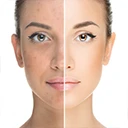
What it can do is improve skin quality in a way that often looks believable. Better texture. Firmer feel. Softer scars. More even tone. A fresher look that usually reads as “you look well-rested,” not “what procedure did you have?”
For a lot of people, that is exactly the point.
Why it remains popular in skin rejuvenation
Some treatments get attention because they are new. RF microneedling has stuck around because it fits a real need. Many people want more than a facial but less than surgery. They want visible change, but not weeks of recovery. They want skin rejuvenation that works on structure, not just shine.
That middle space is where RF microneedling tends to make sense.
It also pairs well with the broader way many people think about health services now. Skin is not separate from sleep, stress, sun habits, hormones, or daily care. A treatment can help, sometimes a lot, but it works best when the basics are not being ignored.
The bottom line
RF microneedling is a collagen-remodeling treatment that combines microneedles and radiofrequency heat to improve firmness, texture, pores, fine lines, and some types of scarring. Its biggest strength is that it works below the surface, where skin structure actually changes. The tradeoff is patience. Results build over time, and the best outcomes usually come from a thoughtful treatment plan, not a one-off impulse booking.
If you are interested in smoother, tighter, more youthful-looking skin, RF microneedling is worth understanding properly before you decide. The treatment is advanced, but the idea behind it is refreshingly simple. Encourage the skin to rebuild itself, then give it time to do the work.