







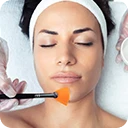

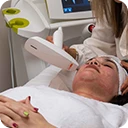
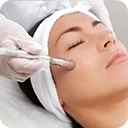














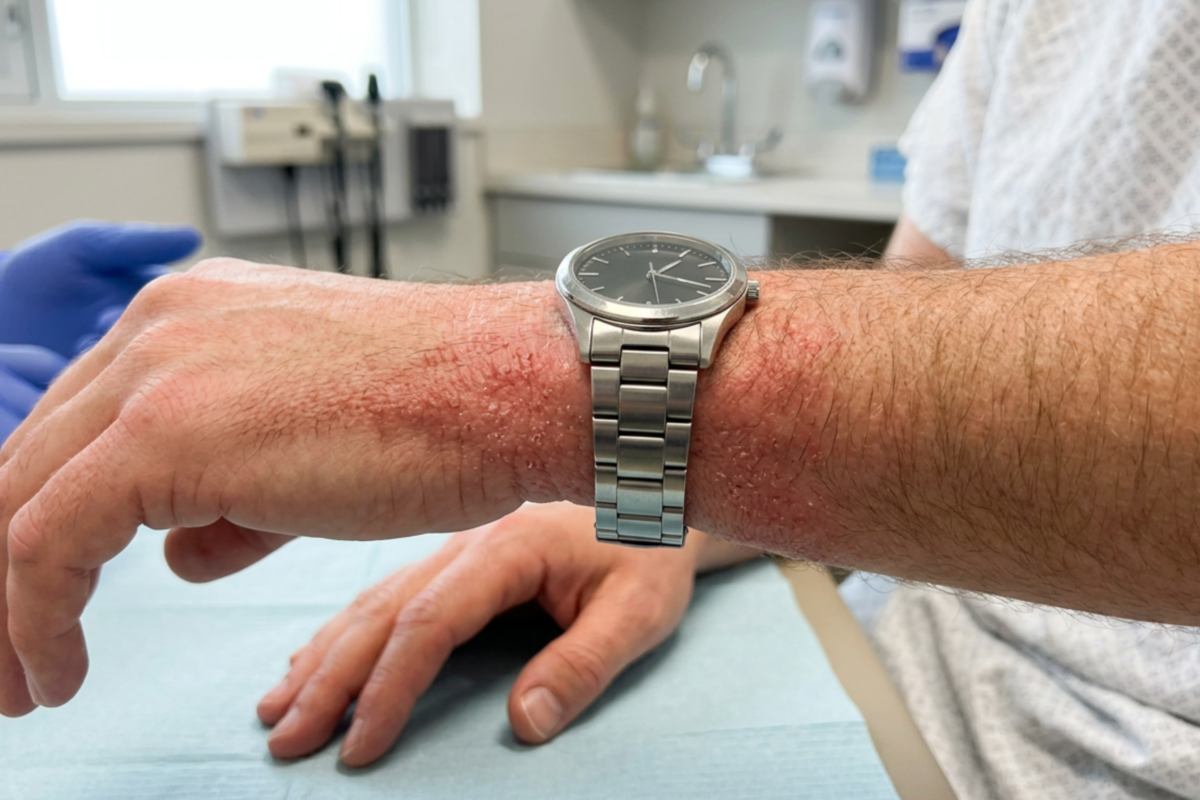
Some redness after a skin treatment may be expected. An itchy rash that persists, spreads, or returns deserves a closer look.
Contact dermatitis happens when a substance touching the skin causes irritation or triggers an allergic reaction. It can develop after a facial, skin rejuvenation procedure, or laser hair removal session, but the treatment itself is not always responsible. A new moisturizer, familiar shampoo, piece of jewelry, or product transferred from your hands may be involved.
The challenge is sorting out normal recovery from a contact reaction without guessing your way through more products. Where the rash appears can offer useful clues. So can a record of what touched your skin before symptoms began.
What Contact Dermatitis Looks and Feels Like
Contact dermatitis can cause itching, redness or other changes in skin color, dryness, flaking, and swelling. The skin may burn, sting, crack, or feel painful. Some reactions produce small blisters or weeping areas.
On darker skin tones, inflammation may look purple, gray, or darker than the surrounding skin rather than bright red. Texture changes, warmth, swelling, and discomfort can be more noticeable than redness.
There are two main types, and they can look very similar.
Irritant contact dermatitis
Irritant contact dermatitis occurs when something damages the skin’s protective barrier. Harsh cleansers, repeated washing, friction, and certain skincare ingredients can cause it. A strong exposure may produce symptoms quickly, while repeated milder exposures can gradually irritate the skin.
Recently treated skin may be more sensitive, depending on the procedure. A product that usually feels comfortable may sting when the barrier is temporarily disrupted. That does not automatically mean you have developed an allergy.
Allergic contact dermatitis
Allergic contact dermatitis is an immune reaction to a particular substance. Fragrance, preservatives, some metals, and certain nail-product ingredients are possible triggers.
The reaction is often delayed, appearing hours to days after exposure. You can also become allergic to something you have used for years. A long history with a product does not rule it out.
Timing offers clues, but it cannot reliably distinguish irritation from allergy. A clinician may need to examine the rash and investigate your exposures.
Is It Expected Sensitivity or a Possible Contact Reaction?
There is no single recovery pattern for every skin treatment. A superficial facial, chemical peel, and laser procedure affect the skin differently. Expected symptoms depend on the treatment, its intensity, the area treated, and your skin.
Use the aftercare instructions for your specific procedure as the starting point. Mild, short-lived redness or stinging may be expected after some treatments. Those symptoms alone do not establish contact dermatitis.
A visible rash with persistent itching, flaking, cracking, or discomfort raises more concern, especially when it follows the shape of something touching the skin. A rash beneath an eyeglass frame, for example, suggests a different exposure pattern than generalized facial redness immediately after a procedure.
Pay attention if symptoms worsen instead of settling, appear outside the treated area, or repeatedly return after using the same product. These patterns warrant assessment rather than an assumption that your skin is simply “purging.”
Contact dermatitis is also not the only explanation. Burns, infection, eczema, and other conditions can resemble it. Significant pain, blistering, or worsening symptoms after a procedure should be reported promptly to the treating clinician.
Let the Location Guide Your Questions
The location of a rash can help narrow the search. It is a clue, not proof. Consider direct contact, runoff from other products, and substances transferred by your hands.
Around the eyes
Eyelid skin is thin and particularly susceptible to irritation and allergic reactions. Possible sources include eye makeup, cleansers, makeup removers, sponges, eyelash curlers, and tweezers.
The trigger may never have been deliberately applied near your eyes. Nail polish or artificial-nail ingredients can reach the eyelids when you touch your face. Metals can also transfer from objects to your hands and then to the eye area.
For example, someone may blame a recent facial for itchy eyelids when the relevant exposure was a new manicure several days earlier. Both belong in the exposure history.
Avoid experimenting with medicated creams around the eyes without professional guidance. Eyelid treatment requires extra care, and eye pain, vision changes, or substantial swelling need prompt assessment.
On the side of the face
A rash concentrated along one cheek or near the ear may relate to a phone, hair products, or something resting against the skin.
Some phones or cases contain materials that can cause reactions, including metals such as nickel or cobalt. Temporarily using speakerphone can reduce direct contact while you seek advice.
Shampoo and conditioner can run across the face during rinsing. Hair dye and perming products may also contact the cheeks, ears, and neck. Keeping hair away from irritated skin and limiting runoff may help reduce exposure.
Check the full routine. A leave-on facial product may seem like the obvious suspect, while a fragranced conditioner is easily overlooked.
On or around the lips
Lip contact dermatitis may cause itching, soreness, dryness, flaking, or splitting. Lipstick, gloss, balm, and their ingredients are possible sources.
Applying more balm can sometimes prolong the problem if that balm contains the trigger. “Natural” ingredients are not automatically less irritating or less allergenic.
Musical-instrument mouthpieces and reeds may also be relevant. Musicians with recurring symptoms should discuss suitable material changes with a clinician and, when helpful, an instrument specialist.
A rash affecting both the lips and the hand holding an e-cigarette may suggest contact with the device. Some devices contain nickel. That distribution is worth reporting, although it does not confirm the cause.
Beneath jewelry or glasses
A rash beneath a ring, necklace, watch, or eyeglass frame can point toward a contact exposure. Nickel is a common metal allergen, but other metals and components may be involved.
Even plastic frames can contain coatings or additives that cause reactions. An item worn comfortably for years can still become a problem after sensitization develops.
Rings create another possibility: trapped soap and moisture. This can irritate the skin without a metal allergy. Removing rings before washing and drying your hands thoroughly before replacing them may help.
Stop wearing nonessential items that appear to aggravate a rash. If glasses are suspected, ask about suitable frame alternatives. Contact lenses are an option only if they are appropriate for your eyes and prescribed correctly.
On the legs
Leg rashes may follow exposure to fragranced moisturizers, clothing dyes, fabric finishes, or plants such as poison ivy, oak, or sumac.
Rough fabrics can irritate sensitive skin. Some textile dyes and finishing chemicals can cause allergic reactions. New clothing should be washed before wearing, particularly if you have a history of contact dermatitis.
If a rash corresponds to a particular garment, set it aside and note its fabric, color, and laundering products. Dark dyes are one possible suspect, but color alone cannot identify an allergen.
For moisturizers, “fragrance-free” is generally more useful than “unscented” when avoiding fragrance. Unscented products may contain ingredients that mask a smell.
On the feet
Footwear dermatitis can result from contact with shoe materials, including rubber, leather-treatment chemicals, adhesives, dyes, and metals. Socks and laundry products also deserve attention.
Foot creams, scrubs, nail polish, powders, and deodorants may be responsible. Some people develop allergic reactions to topical antibiotics such as neomycin.
A rash on the tops of the feet may suggest footwear exposure, but location cannot reliably separate contact dermatitis from athlete’s foot or another condition. The treatments differ, so persistent symptoms should be assessed.
If you suspect a prescribed medication, contact the prescriber before changing treatment.
How to Investigate Without Making the Rash Worse
The urge to find an answer quickly is understandable. Still, changing several products at once or deliberately testing a suspected allergen on irritated skin can make the situation harder to interpret.
A simpler approach is safer:
-
Record the timeline. Note the treatment date, when symptoms started, and whether they are improving or worsening. Take clear photos in consistent lighting.
-
List recent and repeated exposures. Include treatment products, home skincare, makeup, hair products, nail products, jewelry, clothing, tools, and topical medications.
-
Pause suspected nonessential products. Follow your procedure-specific aftercare instructions and ask the treating clinician what to continue. Avoid adding exfoliants or multiple “soothing” remedies.
-
Arrange assessment when needed. Bring ingredient lists, product packaging, and your photos. Tell the clinician about previous reactions and any products already stopped.
Keeping packaging is surprisingly useful. Product names alone may not reveal the relevant ingredient, and different versions of the same product can have different formulas.
While the skin settles, gentle care is usually preferable to aggressive cleansing or scrubbing. A clinician may recommend a simple fragrance-free moisturizer or another barrier-supporting product suitable for your treatment. A cool compress may ease discomfort, but avoid placing ice directly on the skin.
Do not apply an over-the-counter steroid to recently treated skin, the eyelids, or a suspected infection without advice. The appropriate medication and strength depend on the location and diagnosis.
Be cautious about reintroducing products
Once symptoms have resolved, a clinician may suggest reintroducing suitable products individually, with enough time between additions to observe a reaction. About a week between products can be a practical observation interval in some situations, but it is not a diagnostic test or a guarantee of safety.
Do not deliberately retry a product that caused a severe reaction or contains a confirmed allergen. Repeated exposure can bring the rash back. Formal patch testing is a better route when allergy is suspected.
When to Seek Medical Care
Contact the clinician who performed the treatment if symptoms are unexpected, worsening, or inconsistent with the recovery instructions. Seek a board-certified dermatologist if an itchy rash does not clear, keeps returning, or has an unclear cause.
A dermatologist can review the exposure pattern and check for conditions that resemble contact dermatitis. When allergic contact dermatitis is suspected, patch testing may help identify delayed allergies.
Patch testing involves applying selected allergens to the skin under controlled conditions and checking for reactions at scheduled visits. It is different from skin-prick testing for immediate allergies. It also does not diagnose every cause of irritation, so the clinical history remains important.
Get prompt medical attention for increasing pain, marked swelling, extensive blistering, pus, fever, or rapidly spreading inflammation. Trouble breathing, faintness, or sudden swelling of the lips, tongue, or throat requires emergency care.
Focus on the Pattern, Not the Most Recent Product
A skin treatment may be the most memorable event before a rash, but it may not be the cause. Everyday exposures can matter just as much, particularly when the skin is already sensitive.
Notice where symptoms appear, document what touched the area, and resist the temptation to keep adding products. Persistent or recurring dermatitis is worth investigating. Identifying the trigger gives you a clearer path to appropriate treatment and helps prevent the same rash from returning.