























Injectables get lumped together far too often. People hear “hyaluronic acid injection” and assume every treatment is basically a filler with a different name. That’s where a lot of confusion starts.
Profhilo is different.
It’s an injectable made with pure hyaluronic acid, but it is not designed to add volume the way a dermal filler does. Instead, it acts more like a skin booster and tissue remodeling treatment. The goal is not bigger cheekbones or a sharper jawline. The goal is better-quality skin: more hydration, better texture, improved firmness, and a fresher look that still looks like you.
If your skin feels thinner than it used to, a bit crepey, less bouncy, or just tired no matter how good your skincare is, Profhilo is one of the treatments people often ask about. Here’s what it actually does, who it may suit, and what a treatment course usually looks like.
What is Profhilo?
Profhilo is an injectable gel made from a high concentration of hyaluronic acid, often shortened to HA.
Hyaluronic acid is a substance your body already makes naturally. One of its main jobs is holding water. In skin, that matters a lot. Well-hydrated skin tends to look smoother, plumper, and more flexible. As we age, the skin’s natural levels of hyaluronic acid, collagen, and elastin drop. That shift shows up in ways most people recognize pretty quickly: dullness, dryness, fine lines, laxity, and that paper-thin look some areas develop over time.
What makes Profhilo interesting is that it uses non-cross-linked HA in a very fluid form. That thin consistency lets it spread through the tissue instead of staying in one small spot to create shape or projection. So while fillers are placed to build volume or structure, Profhilo is placed to improve the condition of the skin itself.
That distinction matters. A lot.
If you want fuller lips or stronger cheek definition, this is not the treatment for that. If you want skin rejuvenation without changing your facial shape, Profhilo makes much more sense.
How Profhilo works under the skin
There are two main things happening after treatment.
First, the hyaluronic acid attracts water into the skin. That gives a deep hydration effect from within, not just surface moisture that disappears after washing your face. People often notice that their skin starts looking less tired and feeling less dry.
Second, Profhilo has a bio-stimulatory effect. In plain English, it encourages the skin to increase collagen and elastin production over time. Collagen helps with firmness and structure. Elastin helps skin spring back. When those proteins decline, skin can start to sag, wrinkle more easily, or lose its smooth texture.
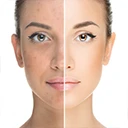
This is why people often describe the result as better skin rather than obvious “work.” It’s usually less about dramatic change and more about gradual improvement in tone, texture, elasticity, and glow.
That slow build is part of the appeal. It can feel subtle at first, then suddenly you catch your reflection in better lighting and think, okay, something is different.
Profhilo is not a filler, and that’s the point
The easiest way to understand Profhilo is to compare it with treatments people already know.
Dermal fillers are used to add volume, contour, and support. They can lift cheeks, fill deep folds, shape lips, or improve facial balance. They stay where they are placed and create structure.
Profhilo does not work that way. It does not sculpt. It does not “fill in” a hollow area. It spreads within the skin and works more broadly to improve hydration and firmness.
That makes it a good option for people who don’t want a fuller look, or who feel their issue is less about volume loss and more about skin quality.
It also makes sense for people who are early in the aging process. Not everyone needs contouring. Sometimes the skin just needs support before deeper changes set in.
Which areas can be treated?
Profhilo is commonly used in areas where skin starts to look lax, crepey, or thin.
The most common treatment areas are:
-
Face
-
Neck
-
Décolletage
-
Hands
It can also be used on some body areas, including the arms and knees, where skin texture and thinning can become more noticeable.
The neck is a big one. A lot of people take good care of their face and then get frustrated when the neck still gives away every skipped sunscreen day and every birthday. Hands are another underappreciated treatment area. They tend to lose hydration and volume with age, and the skin can start to look fragile faster than people expect.
A trained injector chooses the area based on skin quality, your goals, and whether the treatment is likely to help in a meaningful way.
Who is a good candidate?
Profhilo tends to suit a pretty wide age range because it addresses a problem that shows up early and continues over time: declining skin quality.
For younger adults, it can be used as an early intervention. That usually means treating dehydrated, dull, or slightly lax skin before deeper structural aging becomes obvious. Someone in their late 20s or 30s may not need volume correction at all, but they may still want skin that looks fresher and more resilient.
For older adults, the role is a bit different. Treatment often focuses on skin that has become thinner, less elastic, and more crepey because natural stores of hyaluronic acid, collagen, and elastin have decreased.
In both groups, the best candidates usually have realistic expectations. Profhilo can improve hydration, texture, tone, and firmness. It is not a substitute for a surgical lift, and it won’t recreate lost facial structure. That’s not a criticism. It just means matching the treatment to the actual problem.
In my view, that’s where the best outcomes happen in aesthetics: when the treatment goal is honest.
What happens during a Profhilo appointment?
A Profhilo treatment is fairly quick, but it is still a medical procedure, so technique matters.
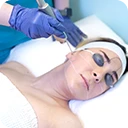
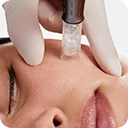
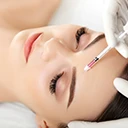
The injector places the product into specific anatomical points rather than making lots of random tiny injections. For a face or neck treatment, this often means around 10 carefully chosen injection sites in total, though the exact approach can vary by area and clinical judgment.
Before the injections, a numbing cream is usually applied to make things more comfortable. Even with numbing, you may still feel brief stings or pressure. Most people find it very manageable.
Because the product is placed in small deposits, you’ll usually see little raised bumps or wheals at the injection sites right afterward. This tends to alarm first-timers more than it should. In most cases, those bumps settle within about 24 hours as the product disperses.
Bruising can happen too. That part is less predictable. Some people leave with barely a mark, while others get a small bruise that hangs around for several days. That’s normal with injectable treatments in general.
What should you expect after treatment?
The aftercare is simple, but following it matters.
For the first 24 hours, patients are usually told to avoid:
-
Intense exercise
-
Makeup on the treated area
-
Massaging or pressing on the injection sites
The reason is pretty straightforward. You want to give the product time to settle and reduce the chance of irritation.
You may have some redness, tenderness, or those small bumps for the rest of the day. Bruising, if it happens, can take longer to fade. If you have an event coming up, it’s smart not to schedule treatment the day before and hope for the best. That rarely feels like a clever plan afterward.
Most people go back to normal activities quickly, but “quickly” doesn’t always mean camera-ready by evening. That’s worth remembering.
How many sessions are needed?
Profhilo is usually done as an initial series of two treatments spaced one month apart.
That schedule matters because the treatment is designed to build on itself. One session may give some improvement, but the standard two-session plan is generally recommended for the best result.
After the first series, results often last at least six months. Maintenance is commonly done with one treatment every six months after that.
This is another area where expectations help. Profhilo is not usually a one-and-done treatment. Think of it more like a reset followed by upkeep. Skin continues to age, lose hydration, and change with time, so maintenance is part of the plan if you want the effect to continue.
When do results show up?
Results are not instant in the way some people expect from cosmetic procedures.
You may notice a change in hydration fairly early, sometimes within days, but the fuller benefit develops over time as collagen and elastin production increases after treatment. That process continues for months.
Most people notice improvement in:
-
Hydration
-
Texture
-
Skin tone
-
Firmness
-
Overall skin quality
The feedback patients give tends to sound similar: their skin looks smoother, fresher, and less crepey, but not obviously “done.” That’s part of why the treatment has such a loyal following. The best version of the result is often that someone looks better and can’t quite explain why.
That said, “wow” results are still personal. If someone expects strong lifting or volume replacement, they may feel underwhelmed because that is not what Profhilo is built to do.
What are the limits of Profhilo?
This section matters because aesthetic treatments get oversold all the time, and that helps no one.
Profhilo can improve skin quality. It cannot replace lost fat pads, tighten severe sagging, or reshape facial contours.
If your main concern is jowling, heavy lower face laxity, deep under-eye hollows, or major volume loss, you may need a different treatment or a combination approach. Sometimes that means fillers. Sometimes it means energy-based treatments. Sometimes it means doing nothing until you actually want a bigger change.
There’s no prize for squeezing every concern into one product.
A good consultation should tell you whether Profhilo fits your skin goals or whether another path makes more sense.
Questions worth asking before you book
If you’re considering treatment at a beauty clinic in Vancouver or anywhere else, ask practical questions.
Start with these:
Is the provider experienced with Profhilo and facial anatomy?
Placement is precise. This is not a treatment where technique is an afterthought.
What result is realistic for my skin?
You want an honest answer, not a sales pitch.
Which area would benefit most?
Sometimes the face is not actually the priority. For some people, the neck or hands show aging sooner.
How much downtime should I plan for?
Even minimal downtime is still downtime if you bruise.
What does the full treatment plan look like?
Ask about the initial two sessions and what maintenance usually involves.
These questions sound basic, but they save people from a lot of disappointment.
Is Profhilo worth considering?
If your skin feels dry, lax, crepey, or less firm than it used to, Profhilo is worth understanding. It fills a space between skincare and traditional filler. That in-between category is useful because many people don’t want more volume, they just want better skin.
And honestly, that’s a reasonable goal.
There’s something refreshing about a treatment that aims for hydration, elasticity, and texture instead of dramatic change. For the right person, that can be exactly enough.
The main thing is knowing what you’re signing up for. Profhilo is a skin-quality treatment, not a sculpting treatment. It works gradually, usually in two sessions, with maintenance every six months. It is commonly used on the face, neck, décolletage, hands, and sometimes other areas like the arms or knees. Expect temporary bumps at the injection points, possible bruising, and simple aftercare for the first day.
When it matches the concern, people often notice the kind of improvement that feels obvious to them but natural to everyone else. In aesthetic medicine, that balance is hard to beat.