





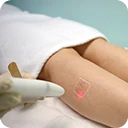

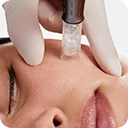
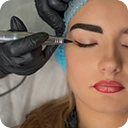
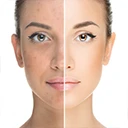
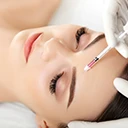
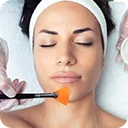
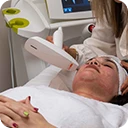
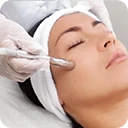









A professional skin treatment can be a useful reset. Whether you have had a facial, a resurfacing treatment, laser hair removal, or another form of skin rejuvenation, the appointment itself is only part of the process. What happens at home in the days that follow has a real effect on comfort, recovery, and results.
This is where post-treatment skincare earns its place. Your skin may feel smooth and glowing right after an appointment, but it can also be warm, dry, tight, flaky, or unusually reactive. That is normal for many treatments. The skin barrier has been temporarily stressed, and it needs a quieter routine while it recovers.
There is no single product that works for everyone, and “medical-grade” is not a guarantee that something will suit newly treated skin. A locally made cleanser or moisturizer can be an excellent choice if its formula is gentle and well tolerated. What matters most is the product’s ingredients, texture, freshness, and fit for your specific treatment and skin condition.
Here is how to build a sensible post-treatment routine without turning your bathroom counter into a chemistry lab.
Why Skin Behaves Differently After a Treatment
The outermost layer of the skin, called the skin barrier, has a simple but demanding job. It keeps water in and helps protect the body from irritants, allergens, pollution, and microbes. When the barrier is intact, skin tends to feel comfortable and balanced.
Many professional treatments intentionally create controlled stress in the skin to encourage renewal. Depending on the service, that may involve heat, exfoliation, light, needles, or active ingredients. This is part of why skin rejuvenation can improve concerns such as uneven texture, dullness, acne congestion, or visible signs of aging.
It also means that the skin may be more vulnerable for a short period afterward.
A product that never caused a problem before can suddenly sting. A favorite exfoliating toner may lead to redness. Even hot water can feel unpleasant. This does not mean your skin has “become sensitive forever.” It usually means the barrier needs a break.
The exact recovery period depends on the treatment. A light facial may require only a day or two of gentle care. More intensive resurfacing procedures may come with detailed instructions that last a week or longer. Follow the instructions provided by the treating professional, even if they differ from advice you have seen online.
The Core Goal: Protect the Barrier
Post-treatment retail can get confusing quickly because product shelves are full of promises. Brightening. Refining. Clearing. Firming. Those goals may be appropriate later, but immediately after a treatment, boring is often better.
Think in terms of protection rather than correction. A simple routine focuses on four areas:
-
Gentle cleansing
-
Hydration
-
Barrier-supporting moisture
-
Daily sun protection
That is enough for many people during early recovery.
Cleanse Without Stripping
Cleansing removes sunscreen, makeup, sweat, and environmental residue. But an aggressive cleanser can also remove too much of the skin’s natural oil and leave it feeling tight.
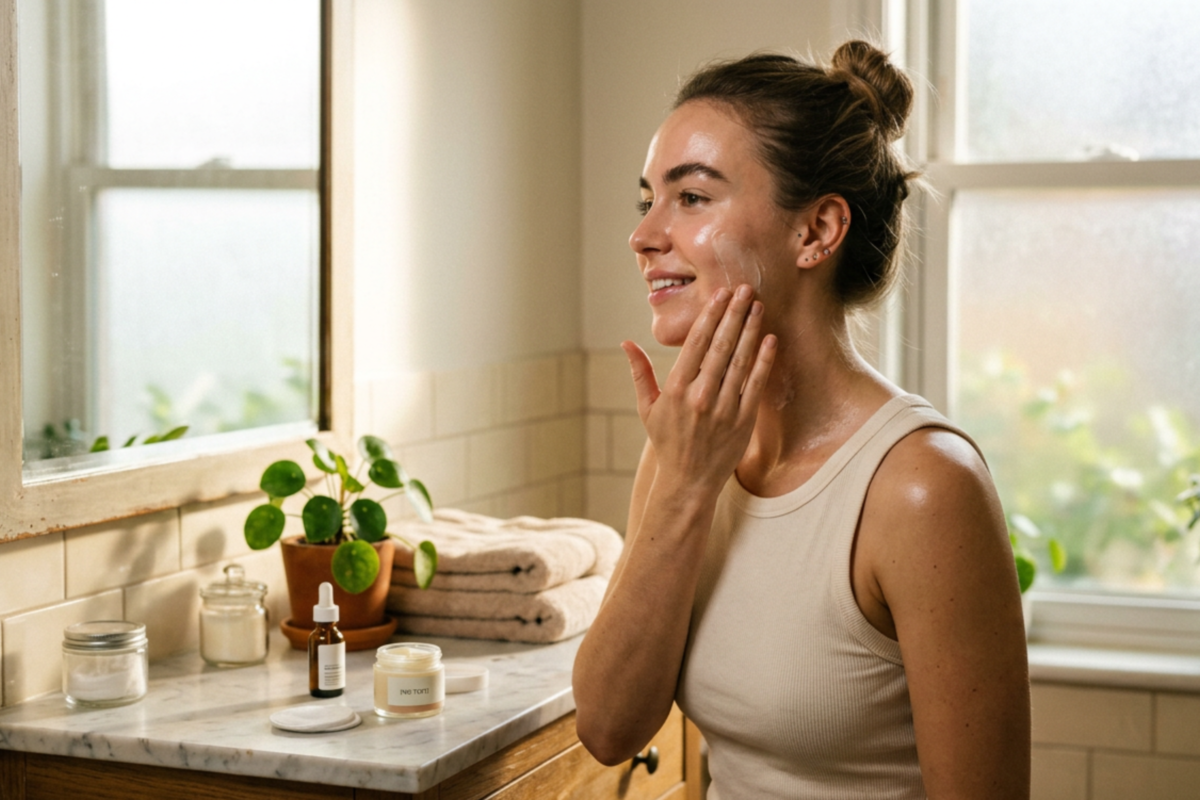
After treatment, choose a mild cleanser that does not contain exfoliating acids, rough particles, strong fragrance, or high levels of alcohol. Creamy, milky, or low-foaming formulas are often comfortable for dry or reactive skin. Some people can use a gentle gel cleanser without issue, particularly if their skin is oilier.
The test is simple: after cleansing, your face should feel clean but not squeaky, tight, hot, or itchy.
Use lukewarm water. Hot water feels relaxing, especially in colder weather, but it can increase redness and dryness. Pat the skin dry with a clean towel instead of rubbing. Small changes like that matter more than people think.
Add Water, Then Help Keep It There
Hydration and moisturizing are related, but they are not identical.
Hydrating ingredients attract water to the upper layers of the skin. Common examples include glycerin, hyaluronic acid, panthenol, beta-glucan, and aloe. Moisturizers also contain ingredients that soften the skin and help slow water loss. Ceramides, squalane, fatty acids, dimethicone, petrolatum, and certain plant oils can play this role.
A lightweight hydrating serum may feel good after cleansing, followed by a plain moisturizer to seal it in. If your skin is especially dry or flaky, a richer cream may be more useful than adding several separate serums.
Ceramides deserve special attention here. They are lipids naturally found in the skin barrier, and moisturizers with ceramides can be a practical choice when skin feels depleted. They are not magic, but they are well suited to the unglamorous work of rebuilding comfort.
Wear Sunscreen Like It Is Part of Recovery
Sun protection is important every day, yet it becomes especially important after many facial treatments. Newly treated skin may be more prone to irritation and uneven pigmentation when exposed to ultraviolet light.
Use a broad-spectrum sunscreen with SPF 30 or higher unless you have been told otherwise by your provider. Apply it generously as the final step of your morning routine, and reapply when you are outdoors for extended periods.
Some people find mineral sunscreens, which use zinc oxide or titanium dioxide, more comfortable when skin is reactive. Others prefer modern chemical filters because they feel lighter and leave less of a cast. There is no prize for choosing one category over the other. The best sunscreen is one you can wear consistently without burning, pilling, or making you dread application.
For residents of Vancouver, where gray skies can create a false sense of security, sunscreen still matters. Ultraviolet exposure does not disappear because a day looks overcast.
Medical-Grade Skincare and Local Products: A More Useful Way to Compare
The phrase “medical-grade skincare” is widely used in beauty clinics and dermatology settings, but it is not a formal regulatory category in the way prescription medication is. In practice, the term often refers to professional skincare lines sold through clinics, providers, or authorized retailers. These products may contain well-studied active ingredients, offer targeted formulations, or come with advice from a trained professional.
That can be valuable, especially after a treatment that requires specific aftercare. A provider may recommend a particular cleanser, moisturizer, healing balm, or sunscreen because they know how it performs alongside that service.
Still, a product does not need a medical-grade label to be helpful. Many Canadian and locally made skincare products are carefully formulated for sensitive skin, dry climates, fragrance avoidance, or simple barrier repair. A moisturizer made by a small regional company may be a better fit than a more expensive clinic product if it has a gentle formula and your skin tolerates it well.
The useful questions are more practical:
-
Does this product contain ingredients that are appropriate for my recovery period?
-
Is it free from anything my provider asked me to avoid?
-
Does it sting, itch, or cause worsening redness?
-
Can I use it consistently?
-
Does the person recommending it understand my treatment and skin history?
There is room for both professional skincare lines and thoughtfully made local options. Treating the choice as a competition misses the point. Skin is picky, and sometimes the plainest formula wins.
Ingredients to Pause After Treatment
The list of ingredients to avoid will vary by treatment, but a temporary pause on strong actives is common. You may need to stop them for a few days, or longer after more intensive procedures.
Common products to set aside include retinoids, exfoliating acids, abrasive scrubs, benzoyl peroxide, and strong vitamin C formulas. Fragranced products and essential oils can also be irritating when the skin is already stressed.
Do not assume that “natural” means gentle. Citrus oils, peppermint, eucalyptus, and many botanical extracts can cause sensitivity in some people. A scrub made with sugar or ground seeds may sound harmless, but physical friction is rarely a good idea on tender, peeling, or inflamed skin.
If you use prescription acne treatments or prescription retinoids, ask the treating provider when to restart them. This is particularly important after treatments involving resurfacing, chemical exfoliation, or heat.
A Simple Post-Treatment Routine
The exact plan should always match the procedure you received. Still, this basic framework works as a starting point for many noninvasive treatments.
Morning
Cleanse gently if needed. If your skin is very dry, a rinse with lukewarm water may be enough in the first day or two.
Apply a hydrating serum only if it feels comfortable and has been approved for your recovery period.
Use a fragrance-free moisturizer.
Finish with broad-spectrum sunscreen.
Evening
Remove sunscreen and makeup with a gentle cleanser. Avoid cleansing brushes, washcloth scrubbing, and very hot water.
Apply a basic moisturizer. If your provider has recommended a healing ointment or recovery balm, use it as directed.
Skip the “active” steps until your skin has recovered. That includes the products you may be tempted to use because you want to speed up results. Pushing too hard often creates a setback.
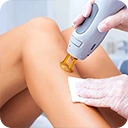
Aftercare for Laser Hair Removal
Laser hair removal is different from a facial treatment because the skin concern is usually focused on a specific body area. The same principle applies, though: keep irritation low and protect the skin.
Mild redness and a sensation similar to a light sunburn can happen after a session. Cool compresses can be soothing. Wear loose, breathable clothing if the treated area is likely to rub against fabric. Avoid hot baths, saunas, intense exercise, and heavy sweating for the period recommended by your provider.
Skip exfoliation, retinoids, fragranced body lotions, and self-tanner on the area until it has calmed down. Do not wax, pluck, or thread between sessions, since laser treatments target the hair follicle. Shaving is usually allowed, but follow the timing instructions you were given.
Sunscreen matters for exposed treatment areas. This is especially true after laser hair removal on the face, underarms, legs, or arms. A tan, whether from sunlight or a tanning bed, can raise the risk of unwanted pigment changes and may affect when your next session can be performed.
When to Restart Your Regular Routine
There is a natural urge to return to familiar products as soon as the redness fades. Take a slower approach.
Start by reintroducing one active product at a time. If you use retinol, an exfoliating acid, and vitamin C, do not bring them all back in the same week. Begin with the product that is most important to your routine, use it a few times, and watch how your skin responds.
Burning, persistent tightness, increased redness, new bumps, or peeling are signs to pull back. A little dryness can happen during recovery, but discomfort is not something you need to push through in the name of results.
People who receive regular skin rejuvenation treatments often do well with a flexible routine: active products when the skin is stable, and barrier-focused products before and after appointments. That approach is less exciting than an ambitious ten-step regimen. It is also usually easier to maintain.
When a Reaction Needs Professional Advice
Some redness, dryness, mild swelling, or flaking may be expected, depending on the treatment. Contact the clinic or treating provider if symptoms are more severe than expected, worsen instead of improve, or include blistering, significant swelling, spreading rash, pus, or persistent pain.
Do not try to “fix” a reaction by adding several new products. Stop potential irritants, keep the routine gentle, and get specific guidance. If you have a history of eczema, rosacea, allergies, cold sores, or post-inflammatory hyperpigmentation, mention it before future treatments and wellness consultations. Those details can change the aftercare plan.
The Best Post-Treatment Product Is the One Your Skin Can Handle
Retail skincare works best when it supports the treatment rather than competing with it. A professionally selected recovery cream may be exactly what your skin needs after a procedure. A simple sensitive-skin moisturizer from a local maker may be equally useful in another situation.
The label matters less than the match.
After any aesthetic service, give your skin time to settle. Cleanse gently, moisturize generously, avoid unnecessary actives, and wear sunscreen. Those basics may not feel dramatic, but they protect the investment you have made in your skin and make recovery much more comfortable.