

































The most reassuring facial story usually starts with a familiar frustration: skin that feels tight after washing, breakouts that keep returning, or redness that makes trying anything new feel risky.
A promise of “glowing skin” does little to answer the questions behind those concerns. Will someone listen before choosing products? Can a facial help without leaving skin irritated? What should you expect the next morning, or two weeks later?
For people comparing facials in Richmond, personal experiences can make treatment easier to understand. But a useful story needs more than a flattering after photo. It should explain the starting concern, why a particular approach made sense, and what happened afterward.
The journeys below are illustrative examples, not actual client testimonials. They show how personalized care might work for different skin concerns, while keeping expectations grounded in what a facial can reasonably do.
What Makes a Facial Truly Personalized?
A personalized facial begins before any cleanser touches your face.
Your provider should ask about your current routine, previous reactions, medications, allergies, recent procedures, and what you want to change. A history of sensitivity matters just as much as whether your skin appears oily or dry that day.
Even the word “freshness” needs unpacking. For one person, it means less flaking under makeup. For another, it means a smoother surface or a face that feels comfortable after cleansing.
Skin also changes. Cold weather, indoor heating, sun exposure, hormonal shifts, and an overly ambitious home routine can all affect what it tolerates. The facial that felt comfortable last year may need adjusting now.
Personalization can mean choosing a gentler treatment, leaving out a step, or recommending that you postpone. More products and stronger exfoliation do not automatically mean better care.
A clear consultation should leave you understanding what is planned, what each step is intended to do, and which concerns fall outside the scope of the service.
Journey One: Tight, Dull Skin Before an Important Event
Imagine someone in Richmond who has an event coming up in three weeks. Their makeup has started settling into flaky patches, and their face feels tight after cleansing.
Their first instinct is to request deep exfoliation. They assume the flakes need to be scrubbed away.
During the consultation, however, they explain that they recently added an exfoliating toner and a retinol product to their routine. They also use a foaming cleanser twice a day. That history changes the conversation.
Why a gentler approach may make more sense
Flaking can occur when the skin’s protective barrier is irritated. Adding more exfoliation may make the surface look temporarily smoother while increasing stinging, redness, or dryness afterward.
A provider might instead choose gentle cleansing and moisturizing products, with little or no exfoliation depending on the skin’s condition. They may also suggest simplifying the home routine rather than adding another active ingredient.
The aim is comfort first. If the skin feels less tight and makeup sits more evenly, those are meaningful improvements, even without a dramatic photograph.
What progress might look like
Immediately afterward, the skin may feel softer and look temporarily plumper because of improved surface hydration. That does not mean deeper skin changes have occurred.
Over the following days, comfort may continue to improve if irritating products are reduced and a suitable moisturizer is used consistently. On the other hand, returning to the same harsh routine can quickly undo that progress.
For an important event, timing deserves care. A first-time facial, peel, or unfamiliar product should not be treated as a risk-free appointment the day before. Ask how much recovery time is appropriate for the specific treatment, and allow room for an unexpected reaction.
The lesson here is simple: sometimes the most useful facial is the one that does less.
Journey Two: Recurring Congestion and the Temptation to “Deep Clean”
Now consider someone with blackheads around the nose and chin, occasional inflamed pimples, and an oily forehead. Their skin feels congested, so they want a facial that will clear everything in one visit.
That expectation is understandable. It also needs an honest discussion.
Acne involves more than dirt on the skin. Oil production, blocked follicles, inflammation, and other biological factors play a role. Washing harder or extracting every visible bump does not resolve all of them.
Choosing treatment without chasing every pore
A provider may assess whether gentle exfoliation or selective extractions are appropriate. Some bumps should be left alone, particularly deep, painful lesions.
Extractions can reduce certain visible blockages, but aggressive pressure can injure skin and increase the risk of lingering discoloration or scarring. You should be able to ask the provider to stop if a step feels too painful.
The consultation should also cover acne medications and recent treatments. Some products can make skin more vulnerable to irritation, and certain services may need to be modified or avoided. Do not stop prescribed medication without guidance from the prescribing clinician.
What a realistic result looks like
After a suitable facial, some areas may feel smoother and some congestion may look reduced. Temporary redness can occur, especially where extractions were performed.
A week later, the more useful question is whether the skin is settling comfortably. Are treated areas healing? Is irritation decreasing? Does the home routine feel manageable?
New pimples can still develop. That does not automatically mean the facial failed, but it does show why a facial should not be presented as a cure for acne.
Persistent acne, painful nodules, or scarring warrants assessment by a qualified healthcare professional. Facials may complement an appropriate care plan, but they do not replace medical diagnosis or treatment.
Also, worsening breakouts should not automatically be dismissed as “purging.” A reaction after treatment may be irritation or another problem that deserves attention.
Journey Three: Sensitive Skin and Fear of Another Reaction
A third person wants smoother-looking skin but hesitates to book. Their face sometimes burns after applying ordinary skincare products, and a previous facial left them red for several days.
For this person, reassurance should come from a careful process, not a promise that every product is “gentle.”
Sensitive skin is a description, not a diagnosis. Stinging and redness may relate to irritation, an allergy, rosacea, eczema, or another condition. A facial provider should recognize when further assessment is needed rather than trying to solve every concern during the appointment.
Building trust through choices
The first appointment may involve a detailed consultation and a conservative treatment plan. Depending on the history, the provider might avoid fragrance, heat, steam, vigorous massage, or exfoliation.
Patch testing may be useful for certain products or procedures, although it cannot guarantee that a full treatment will cause no reaction.
Comfortable communication matters here. The client should know they can report burning, ask what is being applied, or decline a step without embarrassment. “You have to tolerate it for results” is not a reassuring response to unexpected pain.
Why a modest result can still matter
The best outcome may be skin that feels calm and comfortable, with no prolonged redness afterward. That can sound underwhelming beside dramatic skin rejuvenation claims. For someone who has had repeated reactions, it may be exactly the progress they wanted.
If the skin remains comfortable over the next several days, that information can help guide future care. If symptoms worsen, the priority changes to assessing the reaction, not scheduling a stronger treatment.
What Does “My Skin Still Looked Better Weeks Later” Really Mean?
Stories about lasting freshness are appealing, but the phrase can describe several different experiences.
Someone may have less visible flaking because they started moisturizing consistently. Another person may notice smoother texture after appropriate exfoliation. Someone else may simply have stopped using products that irritated their skin.
Those are worthwhile outcomes. They are also different from permanent changes to pores, wrinkles, or pigmentation.
The duration of a facial’s effects depends on the treatment, the starting condition of the skin, home care, and individual response. There is no reliable promise that every facial will produce several weeks of visible improvement.
Day-to-day skin changes complicate the picture, too. Sleep, weather, hormonal fluctuations, and sun exposure can affect appearance. One good photograph does not establish which part of a routine caused the improvement.
A useful way to judge results is to compare your skin with its own starting point. Notice comfort, flaking, redness, and texture under similar conditions rather than checking repeatedly in different mirrors throughout the day.
How to Read Facial Testimonials With a Critical Eye
Personal stories can help you decide what to ask. They cannot predict your result.
When reading reviews for a Richmond beauty clinic, look for details about the consultation and follow-up. Did the reviewer feel heard? Were treatment choices explained? Was there a clear response when they had concerns afterward?
“I looked amazing” tells you less about personalized care than an account of how a provider adjusted a treatment for sensitivity.
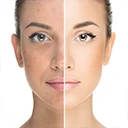
Before-and-after photos need context as well. Lighting, camera angle, makeup, and facial expression can change the appearance of skin. A photograph taken immediately after moisturizing may show surface hydration rather than a lasting structural change.
For people comparing options across Richmond and Vancouver, these standards are more useful than broad claims about advanced technology or dramatic results. A clear explanation of suitability matters more than an impressive treatment name.
Questions to Ask Before Booking
You do not need technical skincare knowledge to take part in treatment decisions. A few practical questions can make the appointment clearer:
-
How will you decide which steps are appropriate for my skin today?
-
What should I tell you about my medications, allergies, and recent treatments?
-
Which effects are likely to be temporary, and what would count as a reasonable result?
-
What reactions should prompt me to contact you or seek medical care?
-
What should I use or avoid afterward, and for how long?
Ask about the provider’s training and whether it covers the specific procedure you are considering. A basic facial, a chemical peel, and an energy-based treatment are different services with different risks and requirements.
You should also receive a clear explanation of costs before agreeing to treatment. A useful consultation gives you space to decide without pressure to purchase a package.
Make the Weeks Afterward Part of the Plan
Aftercare should match the treatment. There is no single rule that fits every facial.
Gentle cleansing, suitable moisturizing, and sun protection are common foundations, but instructions about exfoliating acids, retinoids, makeup, exercise, or heat exposure depend on what was done. Ask for written guidance if you are unsure.
Avoid introducing several new products at once afterward. If your skin becomes irritated, it will be harder to identify the cause.
Mild, short-lived redness may be expected after some procedures. Increasing pain, blistering, spreading redness, or signs of infection need prompt assessment. Difficulty breathing or swelling involving the lips or tongue requires emergency care.
A Good Facial Story Starts With Being Heard
The most useful facial journey has a clear starting concern, a sensible treatment choice, and an honest account of what changed.
For someone seeking care in Richmond, personalization should be visible in the decisions made during the appointment. Your skin history matters. Your comfort matters. So does a provider’s willingness to explain limits or recommend medical care when appropriate.
Lasting satisfaction is easier to judge when the goal is specific: less tightness, fewer flaky patches, or a routine your skin can tolerate. Those outcomes may be quieter than a dramatic transformation, but they are far more useful than a promise of perfect skin.