




























Naturopathy gets talked about a lot, and often in fuzzy terms. People hear “natural medicine” and fill in the blanks themselves. Sometimes that means herbal remedies and diet changes. Sometimes it means a whole philosophy of care. Sometimes, honestly, it gets lumped together with anything vaguely wellness-related.
That confusion is understandable.
At its core, naturopathy, also called naturopathic medicine, is a form of healthcare built around a few big ideas: prevention matters, symptoms have causes worth investigating, and the body has some capacity to repair and regulate itself when conditions support that process. Practitioners use natural therapies, lifestyle changes, and, in some settings, modern diagnostic tools to help patients manage health concerns and improve overall well-being.
That sounds simple enough. The reality is more layered than that.
Naturopathy has roots in older healing traditions, but it also developed into a more formal discipline in the late 19th century. Today, licensed naturopathic doctors in regulated areas complete substantial professional training and licensing exams. That part matters, because the word “naturopath” is not used the same way everywhere, and people often assume all practitioners have the same education. They do not.
If you’re curious about naturopathy, skeptical of it, or somewhere in the middle, this guide will help sort out what it actually involves.
What naturopathy is really trying to do
Naturopathy takes a whole-person view of health. Instead of looking only at a diagnosis or a short list of symptoms, it asks broader questions:
- What is happening in the body?
- What habits or stressors may be contributing?
- Are sleep, nutrition, movement, digestion, or mental health part of the picture?
- Can a preventive approach reduce future problems?
That whole-person lens is one of the reasons people are drawn to naturopathic care. Many patients want more time to talk through their history, daily routines, and long-term goals. They do not just want a quick fix for one symptom. They want to understand why they feel the way they do.
The “root cause” language in naturopathy can be useful, but it also needs a little realism. Some conditions do have clear underlying drivers, like poor sleep contributing to fatigue, or a nutrient deficiency affecting energy and mood. Other conditions are more complicated. Chronic pain, autoimmune disease, migraines, anxiety, and digestive disorders can involve multiple overlapping causes. There is not always one neat answer waiting to be uncovered.
So when naturopathy talks about finding root causes, the most sensible interpretation is this: look deeper than the surface, and do not stop at symptom management if there are modifiable factors worth addressing.
The principles behind naturopathic medicine
Different schools and organizations phrase them a bit differently, but the philosophy of naturopathy tends to revolve around a handful of consistent principles.
First, do no harm
This does not mean “natural equals harmless.” That idea gets people into trouble. Herbs can interact with medications. Supplements can be taken at unsafe doses. Restrictive diets can backfire. A thoughtful naturopathic approach is supposed to choose treatments carefully and use the least forceful intervention that still makes sense.
Support the body’s healing processes
This is probably the best-known idea in naturopathy. The body is not passive. Wounds close. Immune systems respond. Sleep restores. Hormones shift in response to stress, diet, and activity. Naturopathy tries to support those built-in processes through sleep, food, stress reduction, exercise, and selected therapies.
I think this principle makes the most sense when it is kept grounded. The body can do a lot. It cannot do everything on its own. A broken bone may need setting. Asthma may need medication. A serious infection may need antibiotics. Supporting healing and using medical treatment are not opposites.
Identify and address causes
Again, this is not always as tidy as it sounds, but it pushes practitioners to ask better questions. If someone has recurring headaches, for example, it may be worth looking at hydration, sleep, stress, caffeine intake, posture, hormone patterns, medication use, and vision strain, not just pain relief.
Treat the whole person
Health is not split into clean categories in real life. Mental stress can affect digestion. Lack of sleep can affect skin, blood sugar, and mood. Social isolation can change eating habits and motivation. Naturopathy tries to account for those connections.
Focus on prevention
This may be the least controversial part of naturopathic care, and probably the most useful. Prevention includes healthy routines, regular screenings, stress management, nutrition, and catching small problems before they turn into bigger ones.
Educate the patient
A good naturopathic visit often involves explanation. Why this symptom may be happening. Why one habit matters more than another. Why a change is worth trying for six weeks instead of six days. That educational piece is a real strength when it is done well.
A short history of naturopathy
Naturopathy did not appear out of nowhere. It draws from ancient healing traditions that emphasized nature, food, movement, environment, and the body’s self-regulating capacity. Many cultures developed systems of care based on those ideas long before modern medicine existed.
The language around naturopathy also reflects that older connection to nature. The term is often linked to Greek roots related to nature and to older physician traditions associated with Hippocrates. One enduring theme in these traditions is the idea that health is shaped by how people live, what they eat, how they work, and how they relate to their environment.
As a distinct discipline, naturopathy took shape in the late 19th century. That period brought together hydrotherapy, herbal medicine, nutrition, physical medicine, and other non-drug approaches into a more organized system. Over time, naturopathy borrowed from scientific advances as well, especially in anatomy, physiology, lab testing, and evidence-informed practice.
That blend of old and new is part of naturopathy’s identity. It does not fit neatly into “traditional” or “modern.” It tries to be both. Whether it succeeds depends a lot on the practitioner, the condition being treated, and how honestly the limits are handled.
Who provides naturopathic care?
This is where people need to slow down and pay attention.
In regulated jurisdictions, licensed naturopathic doctors complete formal graduate-level education at accredited naturopathic medical schools, along with supervised clinical training and licensing exams. Their programs typically include biomedical sciences, clinical diagnosis, and a range of natural treatment methods. Bastyr University, one of the better-known institutions in this field, describes naturopathic medicine as combining modern scientific knowledge with traditional and natural forms of medicine.
But licensing rules vary a lot by location. In some places, naturopathic doctors are regulated and can order certain lab tests, perform physical exams, and manage care within a defined scope. In other places, the title is less protected, and training standards may differ widely.
That means the question is not just “Do they practice naturopathy?” It is “What training do they have, and are they licensed where they work?”
Those are not small details. They affect safety, scope of practice, and whether a practitioner knows when a patient needs referral or urgent conventional care.
What naturopaths commonly use in treatment
Naturopathic medicine is not one single therapy. It is more like a toolbox. A practitioner may draw from several approaches depending on the person and the problem.
Nutrition and dietary counseling
Food is often one of the first areas discussed. That can include identifying deficiencies, improving meal patterns, managing digestive symptoms, or adjusting diet to support blood sugar, energy, or cardiovascular health.
This part of naturopathy tends to resonate with people because it is practical. You eat every day. Small shifts can matter.
Lifestyle medicine
Sleep, movement, stress, alcohol use, work patterns, and recovery habits all shape health. Naturopathic care usually spends real time here, more than many standard appointments can.
Herbal medicine
Botanical medicine is a major part of naturopathic practice. Some herbs have a long history of use and growing evidence for specific purposes. Others are less supported. Herbs are not automatically gentle, and “plant-based” is not a guarantee of safety. Quality, dosing, and interactions matter.
Nutritional supplements
Vitamins, minerals, fatty acids, probiotics, and other supplements may be recommended when appropriate. The sensible version of this is targeted and evidence-aware. The less sensible version is a long shopping list no one needed. Patients should feel comfortable asking why each supplement is being recommended and what the expected benefit is.
Physical medicine
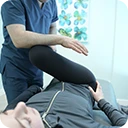
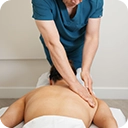
Some naturopathic doctors use hands-on therapies, stretching, exercise guidance, hydrotherapy, or musculoskeletal techniques, depending on their training and local regulations.
Stress support and behavioral counseling
Because stress affects so many body systems, naturopathic care often includes strategies for nervous system regulation, coping habits, sleep improvement, and mental well-being. This can be valuable, especially for people whose symptoms worsen under chronic stress.
What a naturopathic appointment usually looks like
A first visit is often longer than a typical primary care appointment. That extra time is one reason some patients feel heard in naturopathic settings.
The practitioner may ask about:
- your main concern and symptom history
- diet and digestion
- sleep quality
- exercise and daily routine
- stress, mood, and work demands
- menstrual or hormonal history, if relevant
- medications, supplements, and past diagnoses
- family history and preventive care
From there, they may recommend lab work, dietary changes, stress management tools, supplements, or follow-up visits to monitor progress.
In a good appointment, you should leave understanding the reasoning behind the plan. You should also know what signs would mean the plan is not enough and a different level of medical care is needed.
Where naturopathy may be helpful
Naturopathic care is often used for ongoing, lifestyle-related, or multifactorial concerns, especially when patients want a broader plan alongside conventional treatment. Examples may include:
- digestive complaints
- stress-related symptoms
- sleep problems
- mild fatigue
- preventive health support
- nutrition-related issues
- some chronic symptom management
There is real value in spending time on behavior change, prevention, and symptom patterns. Many people do better when someone helps them connect the dots between daily habits and how they feel.
That said, usefulness depends on the claim being made. Helping someone improve sleep hygiene is one thing. Claiming to cure a serious disease with natural methods alone is another. Those are not in the same universe.
Where caution is essential
This is the part people sometimes skip, and they should not.
Naturopathy is not a replacement for emergency medicine, surgery, trauma care, or evidence-based treatment of serious illness. Chest pain, stroke symptoms, severe infection, suicidal thoughts, uncontrolled bleeding, difficulty breathing, and rapidly worsening symptoms need urgent medical attention.
Even outside emergencies, there are many situations where conventional care is central: cancer treatment, insulin-dependent diabetes, severe depression, fractures, appendicitis, epilepsy, and many others. Naturopathic support may sometimes play a complementary role, but it should not delay proven treatment.
I think the most trustworthy practitioners are the ones who say this clearly. Good care has boundaries.
How to choose a qualified naturopathic doctor
If you are considering naturopathic care, a little homework goes a long way.
Check licensing and regulation
Find out whether naturopathic doctors are regulated where you live. If they are, confirm that the practitioner is licensed and in good standing.
Ask about education
Where did they train? Was it an accredited naturopathic medical program? What clinical training did they complete?
Discuss scope honestly
Can they diagnose conditions in your jurisdiction? Order labs? Coordinate with your family doctor? Refer when needed? The answers should be clear, not evasive.
Review their treatment style
Do they explain recommendations well? Do they rely on a manageable plan or overwhelm you with ten supplements on day one? Do they welcome questions? That matters.
Tell them everything you take
Bring a list of medications, supplements, and relevant medical history. Interactions are real, and your care is safer when nothing is hidden.
The bottom line
Naturopathy is a holistic approach to healthcare that emphasizes prevention, root causes, patient education, and support for the body’s natural healing capacity. It draws on older healing traditions but has also developed into a more formal profession in regulated settings, where licensed naturopathic doctors complete substantial training and exams.
Its strengths are pretty clear: longer conversations, attention to lifestyle, interest in prevention, and a whole-person view that many patients find helpful. Its weaknesses are also clear when practice drifts into overclaiming, poor evidence, or failure to recognize when conventional treatment is necessary.
That tension is real. It does not make naturopathy useless, and it does not make it a cure-all.
The most reasonable view sits somewhere in the middle. Naturopathy can be a useful part of healthcare when it is practiced by qualified professionals, grounded in evidence, and used with good judgment. If you are exploring it, the best question is not whether it is “good” or “bad” in the abstract. It is whether a specific practitioner, for a specific health concern, is offering safe, informed, realistic care.
That is a much better place to start.