




























If you pay attention to skincare, you’ve probably heard a lot about collagen, peptides, retinoids, and sunscreen. All fair. They matter. But there’s a less glamorous molecule in the background that deserves more attention, because it helps run the basic machinery that keeps skin functioning.
That molecule is NAD+.
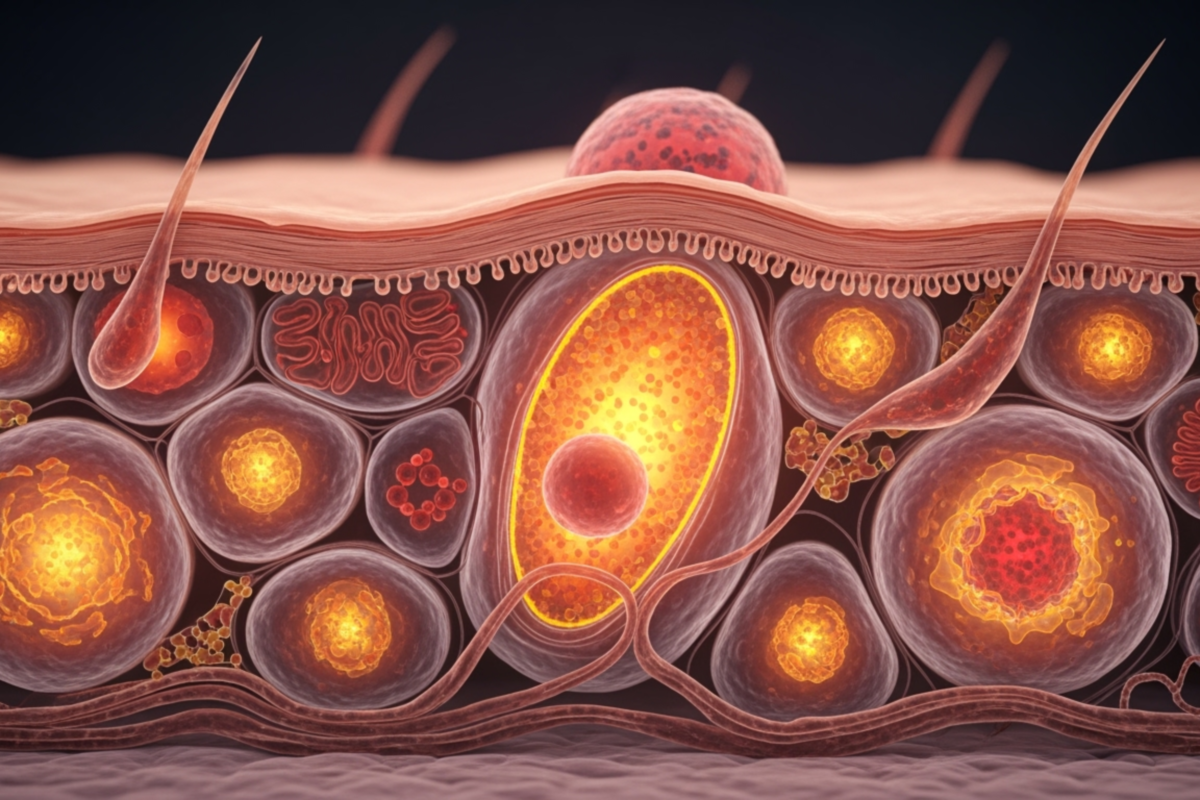
NAD+ lives in every cell of your body. Your skin cells use it, your immune cells use it, and your mitochondria use it to turn food into usable energy. When people talk about aging at the cellular level, NAD+ comes up again and again for a reason. It helps with energy production, DNA repair, stress responses, and the normal maintenance work cells have to do every day.
Here’s the uncomfortable part. NAD+ levels tend to decline with age, and that drop can begin earlier than many people expect, often starting in adulthood rather than old age. You may not notice it in your 20s as a dramatic shift. Skin rarely sends a memo. But over time, lower NAD+ can mean slower repair, less efficient cell turnover, more visible fatigue, and a harder time maintaining the healthy structure that keeps skin looking smooth and resilient.
That does not mean NAD+ is the single switch behind aging. Skin aging is messier than that. Sun exposure, smoking, pollution, sleep loss, stress, hormones, genetics, and nutrition all matter. Still, NAD+ sits close to the center of the story, and it helps explain why skin can start acting “older” before you feel old yourself.
What NAD+ actually does
NAD+ is short for nicotinamide adenine dinucleotide. The name sounds like it belongs in a biochemistry exam, but the job is simple to describe. NAD+ helps cells move electrons during metabolic reactions. In plain English, it helps convert nutrients into cellular energy.
That’s a whole-body job, but skin has a high workload. It is constantly replacing cells, repairing UV damage, building barrier lipids, handling inflammation, and producing structural proteins. All of that takes energy. A lot of it.
NAD+ also helps activate enzymes involved in cellular repair and maintenance. Two groups matter here:
-
PARPs, which help repair DNA damage.
-
Sirtuins, which help regulate stress responses, metabolism, and aspects of aging biology.
Your skin faces damage every day. Ultraviolet light from the sun, normal oxidative stress, irritation, and even regular metabolic activity can damage DNA and proteins. Healthy skin doesn’t avoid all damage. It repairs it. NAD+ helps make that repair possible.
So when NAD+ is plentiful, cells tend to be better equipped to produce energy and keep up with maintenance. When levels drop, cells may still function, but they often do it with less efficiency. That slower pace can show up in skin in subtle ways long before it looks dramatic.
Why NAD+ levels decline with age
People often assume aging begins when wrinkles show up. Biology is less theatrical. A lot of the changes start quietly and build over time.
NAD+ levels decline with age for a few reasons. The body may produce less of it, recycle it less efficiently, and use more of it in response to stress and damage. Chronic inflammation can also increase demand. So can repeated UV exposure. In other words, aging and wear-and-tear pull from the same account.
This is one reason lifestyle matters so much. You are not powerless here, but you are also not controlling everything. That mix can be frustrating. Good habits help preserve function, but they do not freeze biology in place.
In your 20s and 30s, the effects of declining NAD+ may be easy to miss because the body still has a lot of repair capacity. Skin can bounce back from a late night, a few sunny afternoons, or a stressful month. Later, that bounce gets less reliable. Recovery is slower. Dullness lingers. Fine lines that used to disappear start sticking around.
That shift is not vanity. It reflects real changes in how skin cells manage energy and repair.
What lower NAD+ can mean for your skin
Skin aging is visible, which is probably why people care about it so much. But the visible changes usually start with invisible ones.
Slower DNA repair
Sun exposure is one of the biggest external drivers of skin aging. UV light damages DNA. Your body has repair systems for that, but they need resources. NAD+ helps fuel some of those repair pathways.
If NAD+ availability is lower, repair can become less efficient. That does not mean one beach day suddenly rewrites your face. It means repeated damage may accumulate more easily over time. Pigment changes, uneven texture, and loss of elasticity become more likely when skin is constantly repairing from a deficit.
This is one reason sunscreen still matters so much, even in conversations about advanced aging science. You can’t out-supplement daily UV damage.
Less cellular energy
Skin cells need energy to divide, differentiate, make lipids, build proteins, and maintain the barrier that keeps moisture in and irritants out. When cellular energy production becomes less efficient, skin can start looking tired before it looks “old.”
People describe this in familiar ways. Their skin seems dull. It heals more slowly after irritation. It feels thinner or more reactive. The glow they had in their 20s becomes harder to get back, even with expensive products.
That does not happen from NAD+ alone, but lower NAD+ can be part of the reason.
Harder collagen maintenance
Collagen doesn’t vanish overnight. Its breakdown and repair gradually get out of balance. Fibroblasts, the cells that produce collagen and other structural proteins, also rely on healthy energy metabolism. When those cells are under stress, collagen maintenance gets harder.
Lower NAD+ may affect this process indirectly by reducing cellular efficiency, increasing oxidative stress, and weakening repair responses. The result can be skin that feels less firm, with fine lines becoming more obvious over time.
This is where people often reach for the latest cream and hope for a miracle. I get it. Topicals have their place. But if the cells underneath are low on energy and dealing with ongoing stress, the ceiling for improvement may be lower than marketing suggests.
More persistent inflammation
Inflammation is useful when it’s short-term. It helps the body respond to injury and infection. But low-grade, lingering inflammation is rough on skin. It can worsen redness, interfere with barrier function, and speed up visible aging.
NAD+ interacts with pathways involved in inflammation and cellular stress responses. When levels fall, the balance can shift in the wrong direction. Skin may become more reactive or take longer to settle after irritation, procedures, or breakouts.
That is one reason people sometimes notice that aging skin and sensitive skin start overlapping.
Why this matters beyond wrinkles
A lot of beauty content treats skin aging like a cosmetic problem. That’s too narrow.
Skin is an organ. It protects you from infection, regulates water loss, helps control temperature, and acts as a frontline barrier between your body and the outside world. When skin cells are low on energy and slower to repair, the issue is not only appearance. Function can change too.
This helps explain why healthy-looking skin often tracks with overall health. Poor sleep, high stress, illness, nutrient deficiencies, and chronic inflammation tend to show up in the skin because the skin is metabolically active and constantly exposed.
That whole-body connection is worth taking seriously. If you’re trying to understand why your skin seems depleted despite a solid routine, it may help to look beyond cleansers and serums. In some cases, broader support from a qualified practitioner, such as a naturopathy consultation focused on whole-body wellness, can help you think through sleep, stress, nutrition, and other factors that affect skin from the inside.
Can you support NAD+ naturally?
You can’t stop age-related decline completely, but you can support the systems that help maintain NAD+ and reduce unnecessary drain on it. This is the part people sometimes skip because it sounds boring. Honestly, boring biology is often the stuff that works best.
Protect your skin from UV exposure
This is still the big one. Sunlight is great for mood and daily rhythm. Unprotected UV exposure is hard on skin. It increases DNA damage, inflammation, pigment changes, and collagen breakdown, all of which raise the repair burden on your cells.
Daily sunscreen, shade, sunglasses, and a hat do more for long-term skin quality than most trend-driven products.
Sleep like it matters, because it does
Sleep loss affects hormone balance, inflammation, glucose regulation, and skin barrier recovery. Poor sleep also seems to push the body into a more stressed state overall, which can make repair less efficient.
You don’t need a perfect routine. Most people don’t have one. But consistent sleep and enough total sleep help skin repair itself.
Exercise regularly
Physical activity supports mitochondrial function, insulin sensitivity, circulation, and metabolic health. It also seems to help the body maintain healthier aging pathways overall.
This doesn’t mean punishing workouts. Regular walking, strength training, cycling, swimming, yoga, whatever you can sustain, all count.
Eat enough protein and enough micronutrients
Your body needs raw materials to repair tissue. Protein matters for collagen and skin structure. Vitamins and minerals matter for energy metabolism and antioxidant defenses. Severe restriction diets and “clean eating” plans that quietly underfeed people can show up in the face fast.
B vitamins are especially relevant because NAD+ is made from vitamin B3 forms such as niacin, nicotinamide, and related compounds. That does not mean more is always better. It means deficiency is a bad place to be.
Manage chronic stress
This advice can sound annoyingly vague, so let’s make it concrete. Chronic stress often means poor sleep, irregular eating, higher inflammation, more tension, and less recovery. Those things pile up. Skin notices.
Stress management does not need to look spiritual or expensive. It can mean fewer late-night work sessions, a short walk after dinner, therapy, breathing exercises, or putting your phone in another room for an hour.
What about NMN, NR, and NAD+ supplements?
This is where conversations get noisy.
Supplements like nicotinamide riboside, often called NR, and nicotinamide mononucleotide, or NMN, are marketed as ways to support NAD+ levels. There is real scientific interest in these compounds, and early research suggests they can raise NAD+ in certain tissues. That part is not fantasy.
The harder question is what that means for visible skin results in real people.
Right now, the evidence is more interesting than definitive. Raising NAD+ on a lab test is not the same as reversing wrinkles, tightening skin, or restoring collagen in a dramatic way. Human outcomes are usually more modest than marketing copy suggests. Also, the body is complicated. A supplement can change one pathway without transforming your face.
Topical NAD+ products have the same issue. The idea is appealing, but skin delivery, stability, and meaningful clinical effect are separate questions. Some formulas may be helpful as part of a broader routine. I’d be careful with miracle claims.
If you’re considering supplements, talk to a qualified healthcare professional, especially if you have medical conditions, take medications, are pregnant, or are trying to address fatigue or skin changes that may have other causes.
When skin changes are not really about NAD+
It’s tempting to explain every skin issue through one lens. Aging biology can become that lens. Sometimes unfairly.
Dryness may be about barrier damage, harsh skincare, menopause, eczema, or climate. Acne may be hormone-related. Slow healing can reflect poor sleep, diabetes, low protein intake, iron deficiency, or overuse of active ingredients. Sudden skin changes deserve a wider look.
I think this is where a lot of people get stuck. They hear a smart idea, like NAD+ decline affects skin aging, and then try to make it explain everything. It doesn’t. It’s a useful piece of the puzzle, not the entire puzzle.
A practical way to think about NAD+ and skin aging
If you want the shortest honest version, here it is.
NAD+ helps your skin cells make energy and repair damage. Levels tend to decline with age. That decline may contribute to slower recovery, weaker collagen maintenance, more visible signs of aging, and a skin barrier that doesn’t bounce back as easily as it used to.
But NAD+ is not a magic ingredient or a magic diagnosis.
The practical response is pretty old-fashioned:
-
Protect your skin from UV damage.
-
Sleep enough to recover.
-
Exercise regularly.
-
Eat in a way that supports repair.
-
Be careful with stress and overdoing active skincare.
-
Get professional advice when skin changes seem persistent or unusual.
That list is less exciting than a jar with a metallic lid and a price tag that hurts your feelings. Still, it’s usually where the real improvements begin.
The bottom line
NAD+ is easy to ignore because you can’t see it. You can see what happens when cells start running low on the resources they need.
Skin that repairs more slowly. Fine lines that settle in. Less firmness. More dullness. More reactivity. These changes are part of aging, yes, but they are also tied to the day-to-day biology of energy, stress, and repair.
That’s why NAD+ matters. It connects the glamorous side of skincare to the unglamorous side of cell function. And honestly, I like that. It cuts through a lot of nonsense. Healthy skin is not only about what you put on it. It’s also about whether your cells have what they need to keep doing their jobs well.
If you remember one thing, make it this. Protect the repair systems you already have. Your skin depends on them more than any trend.