

















Microneedling gets talked about in two very different ways. Some people describe it like a miracle fix. Others make it sound scary, painful, or too aggressive for normal skin. The truth sits in the middle, which is usually where the useful information is.
If you have been curious about microneedling for acne scars, fine lines, rough texture, or general skin rejuvenation, it helps to sort the hype from the practical reality. That way, you can ask better questions, set realistic expectations, and decide whether it fits your skin goals.
First, what microneedling actually is
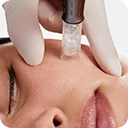
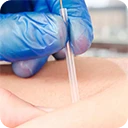
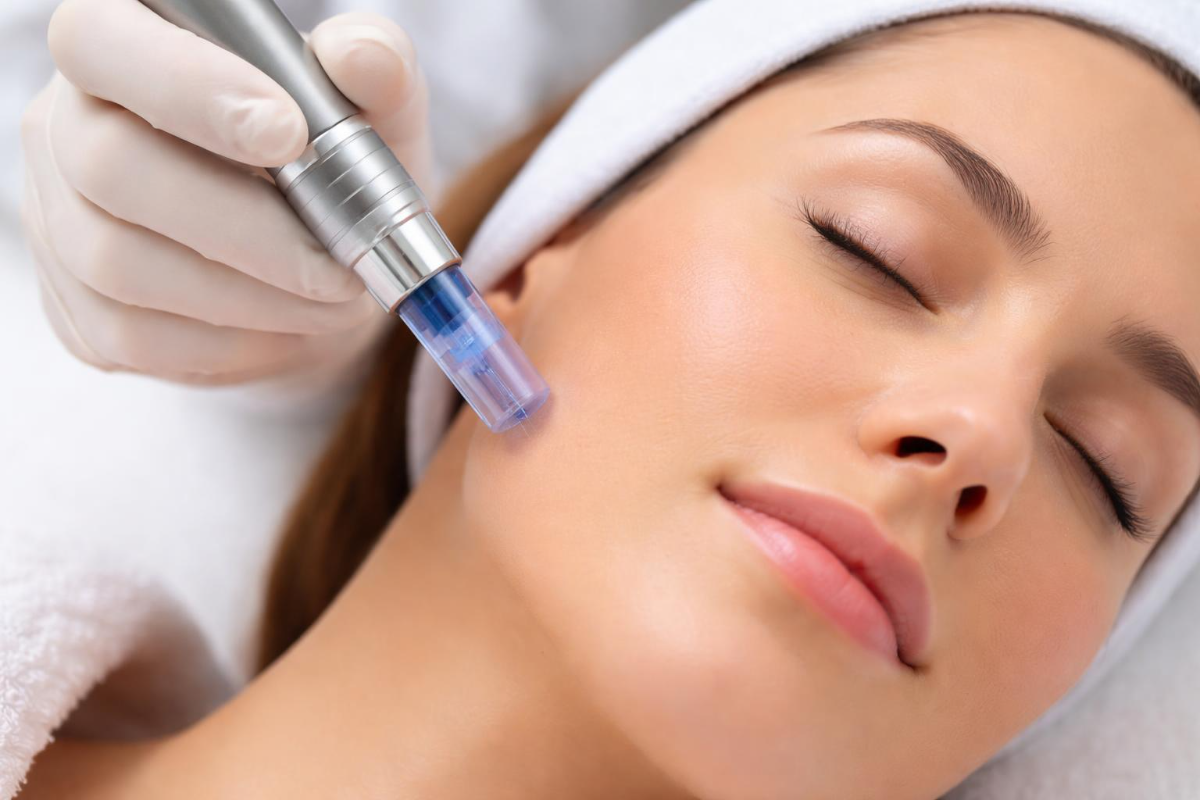
Microneedling is a treatment that uses very fine needles to create tiny, controlled channels in the skin. Those tiny injuries trigger the skin’s repair process. In response, the skin starts producing more collagen and elastin, two proteins that help keep skin firm, smooth, and resilient.
That sounds dramatic, but the idea is pretty straightforward. The treatment does not “replace” your skin or peel it off. It nudges your skin to repair itself more actively.
Professionals often use microneedling to improve:
-
acne scars
-
fine lines
-
uneven texture
-
enlarged-looking pores
-
mild skin laxity
-
some forms of discoloration
-
stretch marks in certain cases
It is one of those treatments that can do a lot, but not everything. That matters.
Why microneedling gets misunderstood
Part of the confusion comes from social media. A short video can make microneedling look either easy and glamorous or intense and alarming. Neither version tells you much about the actual experience.
The other issue is that “microneedling” gets used as a catch-all term. A home roller, a cosmetic stamping tool, and a professional medical-grade microneedling device are not the same thing. Same general concept, very different depth, control, hygiene standards, and expected results.
So let’s get into the common misconceptions.
Misconception: Microneedling makes the skin thinner
This one sounds logical at first. Needles go into the skin, so people assume the skin must get weaker or thinner over time.
In practice, professional microneedling is used because it can help strengthen the skin’s structure by encouraging collagen remodeling. That is the main reason people seek it for skin rejuvenation. The goal is not to strip the skin down. The goal is to help it rebuild in a healthier way.
Of course, this does not mean endless treatments are always better. Skin still needs time to recover between sessions. A thoughtful treatment plan matters more than doing it often.
Misconception: One session will fix everything
This is probably the most common disappointment trap.
You may notice your skin looks a bit fresher after one session. Some people see a temporary glow once the early redness settles. But microneedling is usually a series treatment, especially for concerns like acne scarring or deeper textural changes.
Collagen remodeling takes time. Skin does not rebuild itself on your schedule just because you have an event next month.
For many people, a more realistic plan is several sessions spaced weeks apart. The exact number depends on what you are treating, how deep those concerns are, and how your skin responds. Mild texture issues may need fewer sessions. Scarring usually asks for more patience.
If someone presents microneedling as a one-and-done cure, I would be skeptical.
Misconception: The more aggressive the treatment, the better the result
This idea shows up in a few forms. People look for dramatic redness, pinpoint bleeding, or longer downtime and assume that means the session “worked.”
That is not a reliable way to judge quality.
A good microneedling treatment is about using the right depth for the right area and the right skin concern. The forehead is not treated like acne scars on the cheeks. Thin skin under the eyes is not treated like thicker skin on the jawline. More depth is not automatically more effective, and it can increase the risk of irritation, prolonged inflammation, or post-inflammatory pigment changes.
Good treatment is controlled treatment. That is less exciting to say, but it is true.
Misconception: At-home rollers work the same as professional microneedling
They do not. This is one of the biggest reality checks.
Home rollers usually use shorter needles and far less precision. They also bring obvious hygiene problems if they are reused, stored badly, or used on irritated skin. Even when people are careful, home tools often produce inconsistent pressure and angle, which can irritate the skin without delivering the same level of benefit.
Professional microneedling devices are designed to create controlled, even punctures at specific depths. That control matters. Sterile technique matters even more.
I understand why home tools are tempting. They look cheaper and simpler. But this is one of those areas where “similar idea” does not mean “same treatment.”
Misconception: Microneedling is unbearably painful
Pain tolerance is personal, so I would never tell someone it feels like nothing. For some people, it is mildly uncomfortable. For others, it feels scratchy, hot, or more intense in bony areas like the forehead.
But “unbearable” is usually not how people describe professional microneedling when a numbing cream is used properly. Most clinics apply a topical anesthetic before treatment, which makes a big difference.
The sensation also depends on the depth being used and the area being treated. A gentle session for overall texture feels different from a targeted session on acne scars.
If fear of pain is the main thing stopping you, ask what comfort measures are used. That is a better approach than guessing based on dramatic videos.
Misconception: Downtime means you will need to hide for a week
For most people, the immediate downtime is shorter than they expect, though not always trivial.
Right after treatment, skin often looks red, warm, and a bit tight, almost like a sunburn. Some people also have mild swelling. Over the next day or two, the skin may feel dry or rough, and a little flaking can happen.
A lot of people are presentable within 24 to 72 hours, but “presentable” is not the same as fully back to normal. If you have a wedding, photo shoot, or major event, booking microneedling the day before is a bad idea.
This is one of those treatments where timing matters. You want to give your skin room to calm down, not force it to behave on demand.
Misconception: Microneedling is only for aging skin
Microneedling often gets grouped with anti-aging treatments, and yes, it can help soften fine lines and improve firmness over time. But that is only part of the picture.
It is also commonly used for younger adults dealing with acne scars, uneven texture, and post-breakout marks. Some people seek it because their skin feels dull or rough rather than “old.” Others want help with enlarged-looking pores or mild crepiness.
So no, you do not have to be chasing wrinkles to be a good candidate.
Misconception: It is unsafe for darker skin tones
This one needs a careful answer.
Microneedling can be a good option for many skin tones, including deeper skin tones, because it does not rely on heat in the same way some laser treatments do. That makes it appealing for people who want skin rejuvenation with a lower risk profile for certain pigment concerns.
But lower risk does not mean zero risk. Any treatment that creates inflammation can cause post-inflammatory hyperpigmentation if done too aggressively or followed by poor aftercare. That is why technique, depth selection, and sun protection matter so much.
A skilled provider should take your skin tone, pigment history, and overall sensitivity seriously rather than assuming one protocol fits everyone.
Misconception: Microneedling helps everyone
This is where an honest consultation matters.
Microneedling is not a good idea if you have an active skin infection, open wounds, or certain inflammatory breakouts at the treatment site. It may need to be delayed if you have had recent sunburn, are prone to some types of scarring, or are using medications or treatments that affect healing. People with melasma also need a careful plan, because too much inflammation can make pigment issues worse rather than better.
Rosacea, eczema, and very reactive skin are not automatic no’s in every case, but they do require caution. Same with anyone who has a history of cold sores if the face is being treated.
A good provider should ask a lot of health questions. That is reassuring, not annoying.
What a professional treatment usually looks like
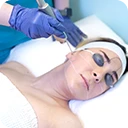
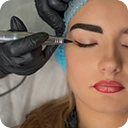
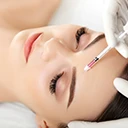
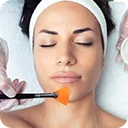
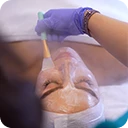
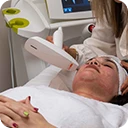
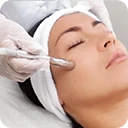
If you have never had microneedling, the unknown part can feel bigger than the treatment itself. A typical appointment often goes something like this:
-
Your skin is assessed and cleaned.
-
A numbing cream may be applied and left on for a set time.
-
The provider passes the device over the treatment area, adjusting the depth based on the skin and the concern.
-
A calming serum or post-treatment product may be applied afterward.
-
You leave a bit red and are given aftercare instructions.
The whole experience is usually more clinical than glamorous. And honestly, that is a good sign. If you are considering microneedling at a beauty clinic, look for clear hygiene practices, realistic explanations, and a provider who does not rush through the consultation.
What results really look like
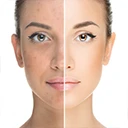
Microneedling results tend to be gradual. That can be frustrating if you are used to instant payoff, but it is also part of why the treatment can look natural.
You may first notice smoother texture, a little more brightness, or makeup sitting better on the skin. Deeper changes, like softening of acne scars or fine lines, usually take longer. Collagen remodeling unfolds over weeks and continues after a series of treatments.
That means two things can be true at once. Microneedling can make a visible difference, and it can still require patience.
People sometimes quit too early because the first session did not create a dramatic before-and-after. Others expect it to erase deep scars that would really need combination treatment. The sweet spot is in the middle: hopeful, but realistic.
Aftercare is not optional
I think aftercare gets less attention than it deserves. The treatment may take under an hour, but the healing phase influences your outcome.
For the first few days, most providers recommend keeping things simple. Gentle cleansing, bland hydration, and solid sun protection usually matter more than loading on active ingredients. Skin often feels extra sensitive after microneedling, so this is not the time to experiment with strong acids, retinoids, scrubs, or fragranced products.
A few practical rules help:
-
keep the skin clean and hands off
-
use the post-care products you were advised to use
-
avoid intense exercise, heat, and heavy sweating right away if your provider recommends it
-
skip direct sun exposure and wear sunscreen once appropriate
-
wait on harsh actives until your skin barrier settles
This part is boring. I know. It is also part of the treatment.
When microneedling makes sense, and when it might not
Microneedling makes sense when your goals match what it actually does well. It can be a smart option for texture, early fine lines, acne scarring, and general skin rejuvenation. It can also pair well with a broader skin plan when someone wants steady improvement rather than a dramatic single-day change.
It may not be your best choice if your main concern is significant skin laxity, deep volume loss, or redness caused by visible blood vessels. Other treatments are often better suited for those issues. And if you are comparing microneedling with things like laser hair removal or body contouring, it helps to remember that they solve completely different problems. Microneedling is about the skin’s surface quality and collagen response, not unwanted hair or body shape.
That sounds obvious, but plenty of treatment confusion starts there.
Questions worth asking before you book
You do not need to become a skincare expert before walking into a consultation. You just need a few grounded questions.
Ask what concern the treatment is meant to improve. Ask how many sessions are commonly needed for that concern. Ask what the downtime usually looks like on skin like yours. Ask what aftercare is required and what risks matter most for your skin tone and history.
If a provider cannot answer those questions clearly, keep looking.
A good consultation should leave you calmer, not dazzled.
The bottom line
Microneedling is neither magic nor nonsense. It is a useful treatment with clear strengths, real limits, and better results when expectations are sane.
If you remember only a few things, make them these: one session is rarely the whole story, aggressive treatment is not automatically better, at-home tools are not the same as professional microneedling, and aftercare matters more than people think.
That may be less exciting than the hype. I still think it is better. Calm, accurate information is what helps people make good choices, especially with their skin.