













Microneedling can sound straightforward: book an appointment, spend some time in the treatment chair, and wait for smoother-looking skin. The planning takes a little more thought. Your total cost depends on the area treated, the number of sessions recommended, and what the appointment includes. Results also develop gradually, rather than appearing when you leave the clinic.
If you’re considering microneedling in Vancouver, it helps to understand both the treatment and the commitment behind it. A lower introductory price may be appealing, but it tells you little about the cost of a full course or whether the procedure suits your skin.
This guide explains how standard microneedling works, how to evaluate pricing, what a treatment schedule may involve, and which aftercare questions to ask before booking.
What Is Standard Microneedling?
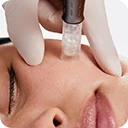
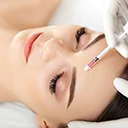
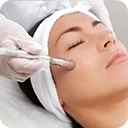
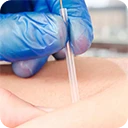
Standard microneedling uses a device fitted with a needle cartridge to make controlled punctures in the skin. These small injuries trigger a repair response that can support collagen production and changes in skin structure over time.
Collagen helps give skin strength and firmness. Elastin contributes to its ability to stretch and return to shape. Microneedling aims to encourage skin remodeling, although the degree of improvement varies with the concern being treated, treatment depth, and individual healing.
Unlike treatments that remove the skin’s surface or deliver thermal energy, standard microneedling works primarily through mechanical injury. That distinction matters when comparing treatment descriptions and prices.
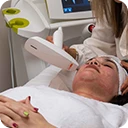
Radiofrequency microneedling is a different procedure. It combines needles with energy delivered into the skin and has its own costs, risks, and recovery considerations. A quote for one should not be treated as interchangeable with a quote for the other.
What Can Microneedling Help Improve?
Microneedling is commonly considered for uneven texture, fine lines, and certain types of acne scarring. It may also improve the appearance of enlarged pores and mild skin laxity.
The useful word here is “improve.” Pores do not permanently close, scars rarely disappear, and skin tightening is generally more modest than what surgery can achieve.
Acne scars and uneven texture
Some depressed acne scars may respond to a course of microneedling. The outcome depends partly on scar shape and depth. Deep, narrow scars or scars tethered beneath the skin may need other approaches, sometimes alongside microneedling.
Active acne is a separate issue. A provider should assess inflamed or infected areas before deciding whether treatment is appropriate. Treating acne scars and treating current breakouts are not the same task.
Fine lines and mild laxity
Gradual collagen remodeling may soften the appearance of fine lines and make skin look somewhat firmer. Expectations should stay realistic, particularly when loose skin is the main concern.
A consultation should help distinguish between an issue that may respond to skin rejuvenation and one that requires a different treatment.
Pigmentation and uneven tone
Microneedling may be considered for selected pigmentation concerns, but the cause of discoloration matters. Melasma, post-inflammatory hyperpigmentation, and sun-related spots do not all behave the same way.
Skin irritation can also cause or worsen discoloration in some people. Ask for an assessment of the pigment concern rather than assuming that any treatment described as improving “tone” will be suitable.
Body concerns
Treatment is not limited to the face. Depending on the device, provider training, and individual assessment, microneedling may be used for concerns such as stretch marks or texture changes on the chest, abdomen, or legs.
Delicate areas around the eyes require particular care. Suitability, technique, and treatment boundaries should be explained clearly.
How to Understand Microneedling Costs in Vancouver
A single-session price is only part of the budget. Before comparing clinics, make sure you are comparing the same treatment, area, and level of care.
A facial treatment may be priced differently from treatment of the face and neck. A small scarred area may require a different appointment than a larger body area. Some quotes include a consultation, topical numbing, and follow-up advice; others itemize certain services separately.
Ask for the total in Canadian dollars and confirm whether applicable taxes or other charges are included.
Calculate the full course
A simple budgeting formula is:
Per-session price × number of recommended sessions = estimated treatment cost
For example, using a hypothetical price of $350 CAD per session, three treatments would cost $1,050, while six would cost $2,100. These figures are arithmetic examples, not a Vancouver market average or a clinic quote. Taxes, optional products, and other charges could change the total.
The more useful question is often, “What would my proposed treatment plan cost?” rather than, “What is your cheapest appointment?”
You may not need to commit to every session immediately. Ask when progress will be reviewed and whether the plan can change if your skin responds differently than expected.
Check introductory offers and packages carefully
An introductory discount can reduce the cost of trying a treatment, but it may apply only to a particular area or first appointment. Confirm the regular price of later visits before building your budget around the promotion.
For packages, ask about expiration dates, cancellation terms, and what happens if a provider advises you to stop treatment. A discount is less useful if the package does not fit your needs or schedule.
Avoid paying for a lengthy course before your skin and medical history have been assessed.
How Many Sessions Might You Need?
A commonly recommended course is three to six sessions, often spaced six to eight weeks apart. This is a planning framework, not a prescription for everyone.
Someone seeking a modest texture improvement may have a different plan than someone with established acne scarring. Treatment intensity, skin sensitivity, and recovery also influence spacing.
The waiting period has a purpose. Visible redness may settle relatively quickly, but the repair process continues beneath the surface. Scheduling another session before the skin has adequately recovered is not a shortcut to better results.
Think in months, not days
With six to eight weeks between appointments, three sessions span approximately 12 to 16 weeks between the first and last treatment. Six sessions span about 30 to 40 weeks.
Results may continue developing after the final appointment. If you are planning around a wedding, trip, or other event, discuss the timeline early. Allow room for recovery and unexpected irritation rather than scheduling treatment immediately before an important date.
Maintenance treatment may be discussed later, but it should depend on your goals and response, not an automatic assumption that everyone needs the same ongoing schedule.
What Happens During an Appointment?
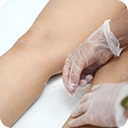
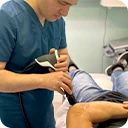
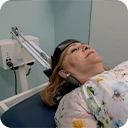
The needling portion may take around 30 minutes, depending on the treatment area. Your total visit can be longer because it may include assessment, photography, cleansing, topical numbing, and aftercare instructions.
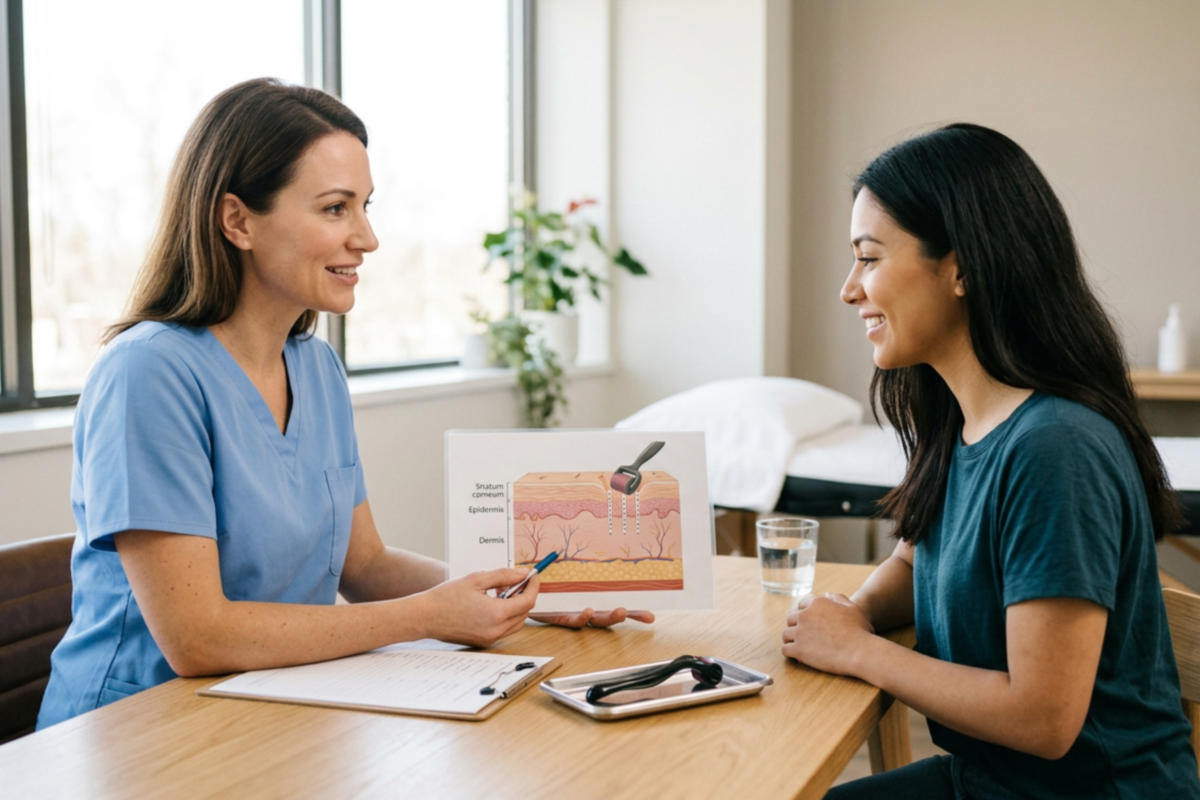
Before treatment, the provider should review relevant health information and examine your skin. You should have time to discuss likely benefits, limitations, risks, and alternatives.
During the procedure, you may feel scratching, vibration, pressure, or stinging. Discomfort varies by area, treatment depth, and pain sensitivity. Topical numbing can help, although it does not guarantee a sensation-free appointment.
Afterward, redness, warmth, tenderness, and mild swelling are common. Some people also experience dryness or flaking during recovery. More intensive treatment may involve pinpoint bleeding and a longer period of visible irritation.
Ask what recovery is typical for your specific treatment plan. “Minimal downtime” can mean different things to different people.
Is Microneedling Suitable for Every Skin Type?
Microneedling can be considered across a range of skin tones, including darker skin. Because standard microneedling does not depend on heat or target pigment in the same way as certain light-based treatments, it may be an option when other procedures are less suitable.
That does not mean it is risk-free or appropriate for everyone.
Post-inflammatory hyperpigmentation can still occur. Provider experience with your skin tone, conservative treatment settings, and appropriate aftercare all matter.
A consultation should cover active skin infections, cold sore history, inflammatory skin conditions, unusual scarring, healing problems, relevant medications, and recent procedures. People who are pregnant, immunocompromised, or taking medications that affect bleeding or healing need individualized advice.
Do not stop prescribed medication on your own to prepare for a cosmetic procedure. The treating provider may need to coordinate with your prescribing clinician.
Aftercare: Protect the Skin While It Recovers
Aftercare should be specific to the treatment you received. Needle depth, treatment area, products applied during the appointment, and your skin’s condition can all affect the instructions.
The basic aim is to reduce irritation, support recovery, and limit ultraviolet exposure.
Keep skincare simple
Your usual routine may be too irritating immediately after treatment. Retinoids, exfoliating acids, scrubs, and some acne treatments may need to be paused.
Use only the products your provider recommends during early recovery. Ask when you can restart each active ingredient rather than guessing based on when the redness disappears.
Avoid picking at flakes or rubbing the skin. If you wear makeup, confirm when it is safe to resume and use clean application tools.
Take sun protection seriously
Avoid unnecessary sun exposure after treatment. Shade and a hat can help, especially while the skin is sensitive.
Follow your provider’s guidance about when to apply sunscreen and which formulation to use. Once appropriate, broad-spectrum sunscreen is an important part of protecting healing skin and reducing the risk of uneven pigmentation.
Vancouver’s cloudy weather does not remove the need for sun protection. UV exposure can occur even when the day feels cool.
Ask about exercise and heat
Sweating, hot showers, saunas, and swimming may need to be avoided for a period after treatment. The timing varies, so get clear instructions before leaving.
Seek prompt advice if pain, redness, warmth, or swelling worsens rather than improves, or if you develop pus, fever, blisters, or other unexpected symptoms.
Questions Worth Asking Before You Book
A good consultation should leave you with clear answers, not pressure to purchase. Bring a short list:
-
Is standard microneedling appropriate for my main concern, and what improvement is realistic?
-
How many sessions do you recommend, at what intervals, and when will we reassess?
-
What is the full cost, including any applicable taxes and optional extras?
-
What training do you have, and will a new sterile, single-use needle cartridge be used?
-
What recovery should I expect, and whom should I contact if a problem develops?
Be cautious about guarantees of complete scar removal, permanent pore reduction, or dramatic tightening after one visit. A responsible explanation includes limits.
Build a Plan Around Your Skin, Not the Promotion
Microneedling can be a reasonable option for selected texture concerns, acne scars, and early signs of skin aging. Its value depends on whether the treatment fits your concern, whether it is performed safely, and whether you can follow the recovery plan.
When comparing options in Vancouver, look beyond the advertised session price. Consider the full course, time between appointments, provider qualifications, and aftercare support.
The best starting point is a careful assessment and a written estimate. That gives you a practical basis for deciding whether the likely improvement is worth the cost and time involved.