







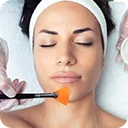
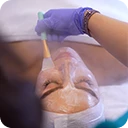







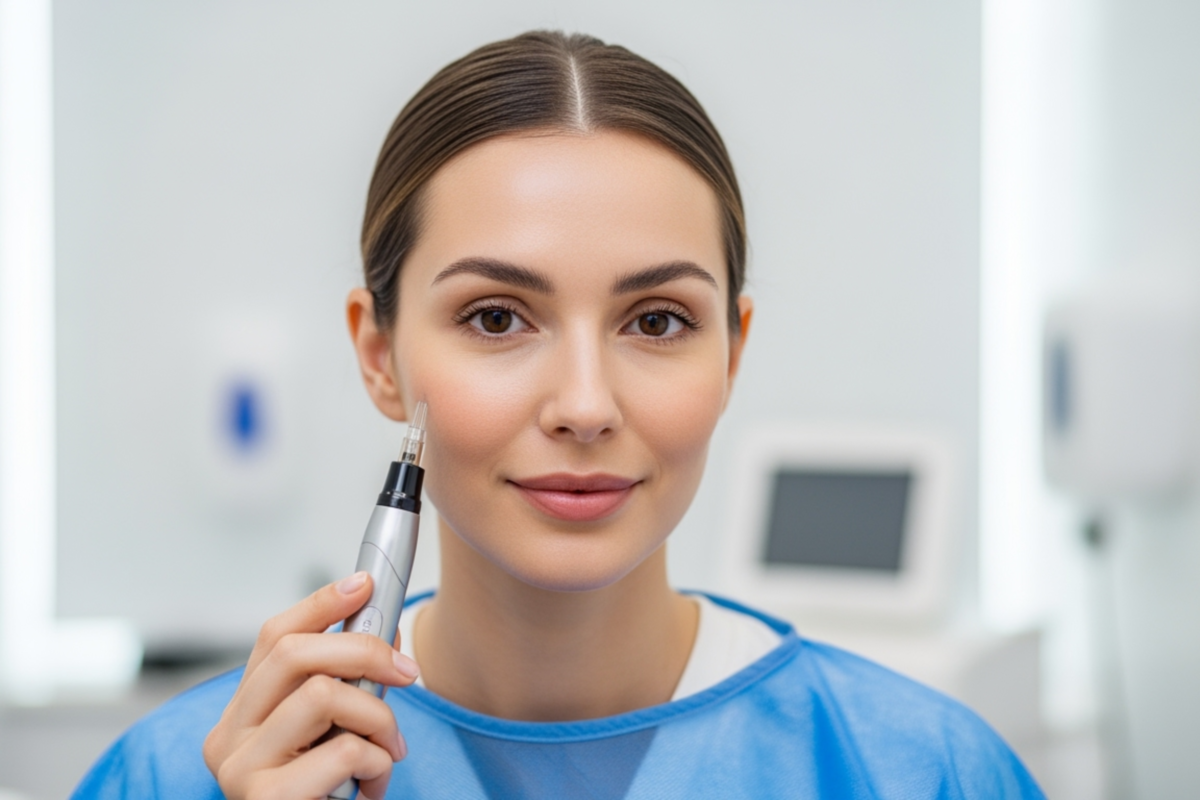
Microneedling has a slightly intimidating name. Tiny needles. A treatment done on your face. That combination can make people pause, and honestly, fair enough.
But microneedling is much less mysterious once you understand the basics. If you’re curious about skin rejuvenation and you want a plain-English introduction before booking anything, this is a good place to start.
Microneedling is a cosmetic treatment that uses very fine needles to create controlled micro-injuries in the skin. That sounds dramatic. In practice, the goal is simple: prompt the skin’s repair process so it can make more collagen and elastin. Those are two of the big structural proteins that help skin look smoother, firmer, and more even.
People usually look into microneedling because they want help with acne scars, fine lines, enlarged pores, rough texture, or mild pigmentation concerns. Some also choose microneedling because they want fresher-looking skin without jumping straight to stronger procedures.
It’s popular for a reason. Microneedling can be useful. But it isn’t magic, and it isn’t the right choice for every skin concern. That part matters.
What microneedling actually does
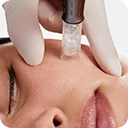
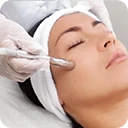
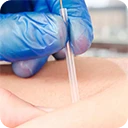
Microneedling works by making tiny punctures in the top layers of skin with a sterile device. Those punctures are controlled and intentional. The skin responds by starting a repair process, and that process can support new collagen production over time.
That’s the core idea. Controlled injury, then healing.
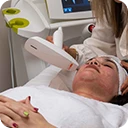
The treatment is often used on the face, but microneedling can also be done on the neck, chest, and sometimes other areas where texture or scarring is a concern. Some clinics pair microneedling with serums, and some offer more advanced versions such as radiofrequency microneedling. If you’re new to all this, it helps to know that standard microneedling and radiofrequency microneedling are related but not identical. Standard microneedling uses needles alone. Radiofrequency microneedling adds heat energy.
If you’re just starting your research, keep your focus narrow: ask whether the treatment being offered is basic microneedling, what device is used, and what skin concerns it’s supposed to address.
Why people get microneedling
Microneedling is often discussed like it solves everything. It doesn’t. Still, it can be a solid option for a fairly wide range of concerns.
People usually consider microneedling for:
-
acne scars, especially shallow atrophic scars
-
mild fine lines
-
uneven skin texture
-
enlarged pores
-
dull-looking skin
-
some forms of post-acne marks
-
early signs of skin laxity
Microneedling can improve the look of skin over time, especially when someone has realistic expectations and follows a treatment plan. That last part matters more than people think. One session of microneedling may give skin a temporary “fresh” look, but most texture and scar concerns need multiple sessions.
If someone promises that one microneedling appointment will erase years of scarring, I’d be skeptical.
What microneedling does not do well
This is where expectations get more realistic.
Microneedling is not the best answer for every issue. It may not be the right first choice for deep wrinkles, significant sagging, very deep ice-pick scars, or pigmentation issues that can worsen with irritation. It also won’t replace surgical procedures or more intensive resurfacing when those are truly needed.
Microneedling is also not a substitute for daily skin habits. If someone gets microneedling but skips sunscreen, overuses harsh acids, or keeps picking at their skin, results usually suffer.
Skin treatment works best when the boring basics are in place. Cleanser. Moisturizer. Sun protection. Patience. Nobody loves that answer, but it’s the honest one.
Is microneedling safe?
Microneedling is generally considered safe when it’s done by a trained professional using proper technique and sterile equipment. That said, “generally safe” does not mean “casual.” It’s still a procedure that creates openings in the skin.
The biggest risks with microneedling usually come from poor hygiene, wrong needle depth, treating skin that shouldn’t be treated, or weak aftercare. Possible side effects include redness, swelling, irritation, pinpoint bleeding, breakouts, and infection. In some cases, people can also develop post-inflammatory pigmentation, especially if their skin is prone to it or if sun exposure isn’t managed carefully afterward.
This is one reason professional assessment matters. A qualified provider should look at your skin, ask about your history, and tell you if microneedling makes sense for you right now, not just in theory.
Who may be a good candidate for microneedling
Microneedling can be a good fit for adults who want gradual improvement in texture, mild scarring, or early visible aging changes. It can also suit people who want a skin rejuvenation treatment with relatively short downtime compared with some stronger resurfacing procedures.
You may be a reasonable candidate for microneedling if:
-
your skin is generally healthy
-
you have concerns like mild acne scarring, fine lines, or rough texture
-
you understand that results build over time
-
you’re willing to protect your skin after treatment
But some people should pause or avoid microneedling until their skin is more stable.
When microneedling should be postponed
Microneedling is usually not a good idea if you have an active skin infection, a cold sore outbreak in the treatment area, an eczema flare, open wounds, or severely inflamed acne. People with certain medical conditions, a history of keloid scarring, or recent use of certain medications may also need a different plan.
Pregnancy policies vary by provider and by what products are used around the treatment, so that’s another conversation to have directly during a consultation.
This is also where good wellness consultations earn their keep. A proper screening should include more than “Do you want glowing skin?”
What a microneedling appointment feels like
A lot of first-time nerves come down to one question: does microneedling hurt?
Usually, microneedling is uncomfortable more than truly painful. A numbing cream is often applied before treatment, which makes a big difference. During microneedling, many people describe the feeling as scratchy, prickly, or warm. The forehead and areas close to bone can feel more intense. Cheeks are often easier.
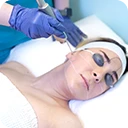
A typical microneedling appointment may include cleansing, photos, numbing time, the treatment itself, and post-treatment product application. The actual needling portion is often shorter than people expect. The full visit may still take around an hour or more, depending on the plan.
Right after microneedling, your skin may look pink to red, almost like a mild to moderate sunburn. Some people also feel heat, tightness, or mild swelling.
How to prepare for microneedling
Preparation for microneedling is not complicated, but it does matter. You want the skin calm, intact, and not overly sensitized.
A provider may give specific instructions, but common prep advice includes:
-
Avoid strong exfoliants, retinoids, and irritating active products for several days before microneedling if your provider recommends it.
-
Limit sun exposure and do not show up sunburned.
-
Tell your provider about medications, recent procedures, cold sore history, allergies, and any skin conditions.
-
Arrive with clean skin unless you’re told otherwise.
If you’re also comparing microneedling with services like laser hair removal, body contouring, or other beauty clinic treatments, it helps to space them out sensibly rather than stacking everything at once. Skin likes a little peace.
What happens after microneedling
After microneedling, the skin needs gentle handling. This is the part people tend to underestimate. They think the treatment is the hard part. Sometimes the harder part is leaving your face alone afterward.
Expect some redness for at least a day, sometimes longer. You might also notice dryness, roughness, tightness, or very mild flaking as the skin recovers. That can be normal after microneedling.
Aftercare usually includes:
-
gentle cleansing
-
a simple moisturizer
-
daily sun protection
-
avoiding harsh products, sweaty workouts, pools, and heavy makeup for the period your provider recommends
Sun protection after microneedling is not optional. Freshly treated skin is more vulnerable, and careless sun exposure can interfere with healing or worsen pigmentation.
If you live somewhere with bright summer sun, including Vancouver during clear stretches, this becomes even more relevant. Weather that feels mild can still deliver a lot of UV.
When you’ll see results from microneedling
Some people notice a temporary glow fairly soon after microneedling, once the initial redness settles. That early brightness is nice, but it’s not the full story.
The deeper benefits of microneedling come from collagen remodeling, and that takes time. Real changes often appear gradually over several weeks. For acne scars or more obvious texture issues, improvement usually takes a series of microneedling sessions spaced out over time.
A common plan is three to six treatments, sometimes more, depending on the issue being treated. Scar revision often takes patience. Fine texture changes may respond sooner.
This can be a little annoying if you’re used to quick fixes. Microneedling rewards consistency, not impatience.
Microneedling for acne scars, fine lines, and pores
These are three of the most common reasons people book microneedling, but the results are not identical for each.
For acne scars, microneedling can help soften shallow depressed scars by encouraging remodeling in the skin. It usually works best as part of a broader plan, especially if scarring is mixed or deeper.
For fine lines, microneedling may improve the look of early creasing and texture by supporting collagen. It tends to be more helpful for mild changes than for deeply etched lines.
For pores, microneedling may make them look less noticeable because smoother, firmer skin reflects light differently. That said, pores do not literally open and close like tiny doors, and no treatment makes them disappear.
A lot of skincare marketing gets weird around pores. It helps to ignore the drama and think in terms of “less noticeable” instead of “gone.”
Professional microneedling vs at-home rollers
This is one area where people get confused fast.
At-home dermarollers exist, and some people assume they are basically the same as professional microneedling. They are not. Home devices are usually shallower, less precise, and much easier to misuse. Hygiene is also a real concern. If a device isn’t properly cleaned or if someone rolls over active acne or irritated skin, things can go sideways.
Professional microneedling uses medical-grade tools, controlled technique, and a treatment depth selected for the concern being addressed. That doesn’t guarantee perfection, but it is a very different category of treatment.
If you’re serious about microneedling for scars or meaningful skin rejuvenation, a home roller is not a substitute.
Questions to ask before booking microneedling
You do not need to become a skin expert before your first appointment. You just need to ask decent questions.
Here are a few that matter:
-
What type of microneedling do you offer?
-
What concerns is microneedling most likely to help in my case?
-
How many sessions do you think I’ll need?
-
What downtime should I realistically expect?
-
What risks apply to my skin tone and skin history?
-
What should I stop using before and after microneedling?
-
Who performs the treatment, and what training do they have?
If the answers are vague, rushed, or weirdly salesy, that tells you something.
How microneedling fits into a bigger skincare plan
Microneedling can be useful on its own, but it usually works best as one piece of a larger routine. If your skin barrier is damaged, your acne is still very active, or your daily habits are chaotic, microneedling may not be the first step.
Sometimes the smarter move is to calm inflammation first, simplify your routine, then revisit microneedling later. Other times, a provider may suggest a different treatment entirely. That’s not a failure. It’s just good planning.
This is also why health services and aesthetic treatments overlap more than people assume. Skin doesn’t exist in a vacuum. Stress, sleep, hormones, medications, and habits all show up there eventually.
The bottom line on microneedling
Microneedling is a well-known treatment because it can improve texture, soften some scars, and support smoother-looking skin with less downtime than more aggressive procedures. For the right person, microneedling can be a practical entry point into skin rejuvenation.
The useful mindset is this: microneedling is a tool, not a miracle. It works best when your skin is a good candidate, your expectations are grounded, and the treatment is done well.
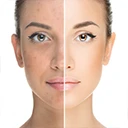
If you’re new to microneedling, start with a proper consultation, ask direct questions, and do not rush because of before-and-after photos online. Good skin decisions are usually a little less dramatic than the internet makes them look. That’s probably a good thing.