























You know you want a facial. The harder part is deciding what kind.
A hotel spa might promise an hour of quiet and a refreshed complexion. A neighborhood studio may offer a more personalized version of that experience. A skin clinic may focus on acne, uneven tone, or another concern you would like to address over time. All three can be reasonable choices, but they are not interchangeable. Their prices may include different levels of assessment, different products and equipment, and a very different hour in the treatment room.
The label “medical facial” can make the choice sound simpler than it is. It does not describe one standardized treatment, and it does not tell you who will perform it. If you are comparing facials in Vancouver, start with your goal, then look closely at what the appointment includes.
Start with the result you actually want
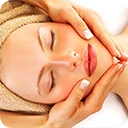
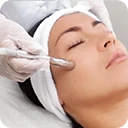
A spa facial is often built around cleansing, exfoliation, hydration, massage, and time to relax. You may leave with skin that feels softer or looks temporarily brighter. For plenty of people, that is exactly the point. There is no need to turn a pleasant afternoon into a skin-improvement project.
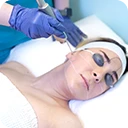
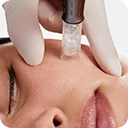
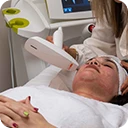
A clinic-based facial usually puts more attention on a particular concern. Someone might book one because they are dealing with breakouts, rough texture, sun-related discoloration, or persistent dryness. The appointment may involve a more detailed skin assessment, treatment-specific devices, or a plan for home care and follow-up visits. What it includes depends on the clinic, the provider, and the service you choose.
It helps to separate two expectations that are easy to mix up:
-
If you want to rest, enjoy facial massage, and leave feeling pampered, look closely at the experience a spa or studio provides.
-
If you want help with a defined skin concern, look for a provider who can explain a treatment plan, its limits, and how they will assess progress.
You may want both. Ask whether the service includes the relaxing parts you care about. A results-focused facial might have little massage, while a spa facial may not have the assessment you were hoping for. Neither omission is a flaw if you know about it before you book.
What “medical facial” does and does not tell you
“Medical facial” is a broad marketing term, not a guarantee of a particular procedure or professional credential. One clinic may use it for a customized facial with familiar products. Another may use it for a service involving a peel or device. The name alone cannot tell you how intensive the treatment is.
A more useful question is: What will happen during the appointment, and who will do each part?
Traditional facials at spas and studios are commonly performed by estheticians. Clinic-based services may be performed by estheticians, other trained skin-care providers, or regulated health professionals, depending on the procedure. Being located inside a clinic does not mean every facial is performed by a nurse or physician. Likewise, an experienced esthetician at a neighborhood studio may be an excellent choice for a gentle facial.
If a service is described as medical, ask which parts involve a regulated professional and whether that person will assess you, perform the procedure, or supervise it. In British Columbia, regulated professionals have licensing bodies where you can check their registration. For anyone providing a treatment, it is fair to ask about training on the specific product or device they plan to use.
The distinction matters most when a treatment goes beyond a basic facial. A peel, for example, should not be judged by its name alone. Its ingredients, strength, application, and your skin’s condition affect how it feels and how much recovery it may require. Laser and light-based treatments are separate services with their own suitability checks and risks. A facial package that mentions “advanced technology” should say exactly what technology is involved.
Why Vancouver facial prices can be so different
Picture three appointments. One is at a downtown Vancouver hotel spa, where your booking includes a private treatment room, robes, and time in the spa facilities. Another is at a neighborhood studio, where the owner performs a customized facial in a small, quiet space. The third is at a skin clinic, where a provider evaluates your skin before recommending treatment and may schedule follow-up care.
The most expensive appointment is not automatically the most effective. Nor is the shortest appointment necessarily poor value. You are paying for a combination of treatment time, setting, staff expertise, products, equipment, and overhead. Only some of those things affect the skin concern you want to address.
A hotel spa may be worth the price if the setting and unhurried experience are part of your goal. If you have an event coming up and want a relaxing day, those details are real value. On the other hand, paying for spa access you will not use makes little sense if your main concern is recurring acne.
A neighborhood studio may offer a thoughtful facial without the costs associated with a large facility. Its offerings may also be narrower. That can be perfectly fine for cleansing, gentle exfoliation, and maintenance care; it may be less useful if you need an assessment of a stubborn or changing skin concern.
At a clinic, the price may account for specialized equipment, training, consultation time, and a more structured treatment plan. Ask what is included rather than assuming all of those things come with every booking. A consultation might be separate, a device treatment might be an add-on, and recommended home products might cost extra.
When comparing prices, get the full picture. Check the treatment length, any consultation fee, add-ons, taxes, cancellation policy, and whether tipping is customary at that location. If a provider recommends a series, ask for the expected total cost before you agree to the first session. An affordable single visit can become a larger commitment than you intended.
Match the treatment to your skin concern
Skin rejuvenation is another phrase that can cover many different goals. For one person, it means relief from dull, dry-feeling skin. For another, it means addressing uneven tone or the look of fine lines. Those goals do not call for the same treatment.
When a gentle spa facial makes sense
A basic facial can be a good fit if your skin generally feels comfortable and you want hydration, light exfoliation, or a relaxing reset. It can also help you learn what products your skin seems to tolerate. If you have sensitive skin, tell the provider. Fragrance, vigorous massage, heat, and exfoliation are not enjoyable for everyone, even when they sound gentle on a menu.
Be cautious about scheduling an unfamiliar facial immediately before a wedding, interview, or other important event. Redness, a breakout, or irritation is possible with new products or extractions. Trying a service well ahead of time gives you a better sense of how your skin responds.
When a clinic assessment is more useful
If you want to address persistent breakouts, discoloration, visible sun damage, or texture changes, an assessment may save you money and frustration. The first treatment you had in mind may not be the best one for your skin, budget, or schedule.
For example, someone hoping to fade dark marks after acne might assume a strong peel will produce the fastest result. But irritation can worsen discoloration in some people, particularly those prone to post-inflammatory hyperpigmentation. A careful provider should ask about your skin history and explain why a suggested approach fits. More intense is not always better.
The same caution applies to device-based treatments. Skin tone, recent sun exposure, medications, and prior reactions can affect suitability. If you are also considering services such as laser hair removal, do not assume that having tolerated a facial tells you how your skin will respond to a laser. Each service needs its own assessment and aftercare instructions.
When to seek medical advice first
A facial is not a way to diagnose a changing mole, treat a possible skin infection, or manage a severe skin condition. If you have a new or changing spot, painful inflammation, an unexplained rash, or a concern that is getting worse, speak with an appropriate health professional before booking a cosmetic treatment.
Also tell your provider about prescription skin products, recent procedures, allergies, pregnancy, and any history of strong reactions. You do not need to decide for yourself which details matter. Sharing them gives the provider a chance to adjust the service or advise you to wait.
Questions worth asking before you book
A treatment menu is rarely detailed enough to settle the choice. A short call or consultation can tell you much more, especially when two services have similar names but different prices. Ask:
-
What happens during the appointment, and how much time is hands-on treatment?
-
Who performs the service, and what training do they have for its products or equipment?
-
Is the consultation included, and will the treatment be adjusted after the assessment?
-
What results are reasonable after one visit? Would you recommend multiple visits, and why?
-
What irritation, downtime, or aftercare should I expect?
-
What is the total price, including any add-ons or products you recommend?
Listen to how the answers are given. You should hear a clear description, not a promise that every concern can be fixed in one session. A provider should be comfortable explaining when a treatment may not suit you. If the plan changes after they examine your skin, they should explain the change and the price before proceeding.
A consultation is useful even if you are not ready to book treatment that day. It lets you describe what bothers you in your own words and find out whether the provider’s proposed goal matches yours. “I want my skin to feel less tight” is a different request from “I want to reduce dark spots,” even if both appear under a general facial menu.
Think beyond the treatment room
The best facial for you has to fit into your life after the appointment. If a service requires avoiding certain products, being especially careful with sun exposure, or accepting a few days of visible irritation, that may affect when you schedule it. Someone who spends the next day outdoors will have different practical needs from someone planning a quiet weekend at home.
Budget matters here too. A single spa facial may be a satisfying occasional expense. A clinic plan might ask for repeat visits and consistent home care. Ask which parts of the plan are essential and which are optional. You should be able to decide what you can comfortably maintain without feeling pressured into a package.
Remember that skin changes over time. A facial you enjoyed last winter may not be the right one when your skin is irritated, you have started a prescription product, or your priorities have changed. Checking in before each appointment is sensible, not fussy.
Choose the appointment, not the label
In Vancouver, you can find a polished hotel spa, a small neighborhood studio, and a skin clinic within a short trip of one another. That range is useful once you know what you are buying. Choose a spa experience when rest and short-term refreshment are the goal. Consider a clinic assessment when you have a specific concern and want a reasoned plan. Look closely at the individual provider and service in either setting.
Before you book, be able to answer three practical questions: What do I want from this visit? What exactly is included? What will I need to do afterward? If the answers are clear and the cost feels worthwhile to you, you are much closer to the right facial than any treatment name could get you.