
























Laser hair removal gets talked about like a shortcut. Smooth skin, less shaving, fewer ingrown hairs, done. That part is appealing, but the details matter more than most people expect.
A good result usually comes from timing, skin prep, the right device, and a provider who knows how to treat your skin safely. A bad result often comes from rushing in, tanning first, waxing between sessions, or assuming one appointment will solve everything. It usually will not.
If you are considering laser hair removal, this guide covers the habits that help and the mistakes that tend to get in the way. I think that is the useful way to approach it. Not as a miracle treatment, not as something scary either, just as a medical-aesthetic procedure that works best when you understand the rules.
What laser hair removal actually does
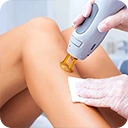
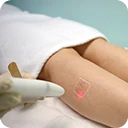
Laser hair removal uses light energy to target pigment in the hair follicle. The heat damages the follicle enough to slow or reduce future growth. That is the basic idea, but one detail changes everything: the laser works best on hairs that are in the active growth phase.
That is why treatment happens in a series. Hair does not all grow on the same schedule. At any given time, some follicles are active, some are resting, and some are between phases. Multiple sessions give the laser repeated chances to catch hairs at the right moment.
This also explains why “permanent hair removal” can be a little misleading. Many people see long-term hair reduction, and some hairs may stop growing altogether. But hormones, genetics, age, and the treatment area all affect what happens over time. You may still need maintenance sessions later.
Laser hair removal can be used on areas such as the underarms, legs, bikini line, upper lip, chin, chest, back, and arms. If you are looking at common treatment areas and how clinics usually group them, this overview of laser hair removal options in Vancouver gives a clear example of how face and body zones are typically handled.
One more point matters here: skin tone and hair color affect results. Dark, coarse hair usually responds best because there is more pigment for the laser to target. Very light blonde, gray, white, or red hair can be harder to treat. That does not mean treatment is impossible for everyone with darker skin tones or more sensitive skin. It means the device, settings, and provider experience matter a lot more.
The do’s before treatment
Do book a real consultation
A proper consultation should feel closer to a health intake than a casual beauty chat. Your provider should ask about your skin tone, medical history, medications, recent sun exposure, history of cold sores if you are treating the face, and whether you scar or pigment easily.
This is also the moment to ask plain questions. What kind of laser is being used? Is it appropriate for your skin tone? How many sessions are typical for your area? What should you do if you are prone to ingrown hairs? If the consultation feels rushed, I would pay attention to that feeling.
People often treat laser hair removal like one of many beauty clinic services, somewhere between skin rejuvenation and routine maintenance. In reality, it needs a more careful conversation. The laser settings that work beautifully for one person can irritate another.
Do shave before your appointment, if instructed
Most clinics ask you to shave the treatment area about 12 to 24 hours before your session. The point is simple: the follicle needs to stay in place, but long surface hair gets in the way. It can also singe on the skin and make treatment less comfortable.
Use a clean razor and shave gently. If shaving usually leaves you irritated, do it with enough time for your skin to settle. Fresh razor burn and laser treatment are not a great combination.
If you are not sure whether to shave a facial area, ask first. The answer may depend on the area and the type of hair.
Do avoid sun exposure
This is one of the biggest safety issues, and it gets ignored all the time. Tanned or sunburned skin is more reactive. Laser treatment on recently tanned skin can raise the risk of burns, blistering, and hyperpigmentation.
Try to limit direct sun exposure before treatment, wear sunscreen consistently, and tell your provider if you have had a lot of sun lately. If you live in Vancouver, this still matters even if the weather feels mild. Incidental sun from walking, driving, patios, and weekend outings adds up.
If your skin is actively sunburned, postpone. That is annoying, yes, but treating irritated skin is worse.
Do mention medications and skin products
Some medications and topical products make skin more sensitive to light or easier to irritate. Common examples include retinoids, some acne treatments, certain antibiotics, and products with strong exfoliating acids.
This does not automatically rule you out for treatment. It just means your provider needs the full picture. Do not edit the list because something feels unrelated. Share what you take and what you apply.
The same goes for supplements, recent peels, or other health services you are receiving. Skin rarely reacts in isolation. If you are doing multiple treatments at once, timing matters.
Do arrive with clean skin
Skip lotion, deodorant, perfume, oils, makeup, and self-tanner on the treatment area unless you were told otherwise. Clean skin makes treatment safer and more predictable.
This is especially important for areas like the underarms, face, and legs, where residue from everyday products tends to build up without much thought. It is a small step, but it removes a lot of avoidable friction.
The don’ts before treatment
Don’t wax, pluck, or thread between sessions
This is the classic mistake.
Laser needs the follicle to be present so it can target it. Waxing, tweezing, and threading remove the hair from the root, which gives the laser much less to work with. If you have already started a laser series, stick to shaving between visits unless your provider says otherwise.
People sometimes panic when they see regrowth and reach for wax because it feels cleaner. I get it. But it can disrupt your progress and make the next session less effective.
Don’t use self-tanner
Self-tanner can interfere with how the laser reads pigment in the skin. Even if your natural skin tone is a good match for treatment, artificial color on the surface can increase the risk of irritation or uneven response.
Stop using it ahead of your appointment according to clinic guidance, and make sure any leftover product is fully gone. “Mostly faded” is not the same as clean skin.
Don’t hide skin changes
If you developed a rash, started a new medication, got a fresh tattoo near the area, had a recent peel, or noticed unusual sensitivity, say something before the session starts.
People sometimes stay quiet because they do not want to lose their appointment slot. That is understandable, but not worth it. Laser settings depend on what your skin is doing that day, not what it was doing two weeks ago.
Don’t expect one session to finish the job
This one is less about safety and more about mindset. The first treatment can reduce shedding time later and may slow regrowth, but it usually does not create a dramatic hair-free result right away.
Laser rewards patience. Sessions are spaced out because the hair cycle dictates the schedule. If you go in expecting instant smoothness, you will probably feel disappointed even if the treatment is working exactly as it should.
During and after treatment, habits that help
Do speak up about discomfort
Laser hair removal is often described as a snapping or stinging feeling. Some areas feel mild. Others do not. The bikini line, upper lip, and ankles can be surprisingly sharp. If the pain feels intense, tell your provider.
Discomfort does not prove that the treatment is “working better.” It may mean the area is sensitive, the skin is irritated, or the settings need adjusting. You are allowed to ask for pauses, cooling, or a better explanation of what you should expect.
Do expect some short-term redness
Mild redness, warmth, and slight swelling around the follicles are common right after treatment. It can look a bit like goosebumps or a light rash. That alone is not usually a problem.
What helps is keeping the area cool and calm. Use a cold compress if needed. Wear loose clothing if the treated area is under friction. Avoid picking, scrubbing, or testing new products on the area for a bit.
Don’t jump straight into heat and friction
For the first day or two, avoid hot tubs, saunas, very hot showers, and intense exercise if your skin feels irritated. Heat and sweat can make already sensitized skin angrier than it needs to be.
This is especially true after underarm, bikini, and body treatments, where sweat and rubbing are hard to avoid. If you can schedule appointments when you are not headed to a long workout or beach day right after, life gets easier.
Don’t exfoliate too soon
A few days after treatment, some hairs begin to shed. This is normal. It can look like regrowth, but often the treated hairs are working their way out. Gentle exfoliation later can help this process, but do not scrub the area immediately after treatment.
Wait until the skin feels settled, then follow the advice you were given. Gentle is the word here. Aggressive scrubs, harsh acids, and “I need to help it along” energy usually backfire.
Do keep your schedule consistent
If your sessions are spaced too far apart, you may miss the growth phase timing that makes treatment work well. Life happens, obviously, but try to stay close to the recommended interval.
Different body areas often need different schedules. Facial hair may be treated more often than legs. Hormonal areas can be stubborn. Regularity matters more than many people realize.
Who should be extra cautious
Laser hair removal is safe for many people, but it is not a casual procedure for everyone.
Use extra care if you:
-
Take medications that increase light sensitivity.
-
Have active skin infections, open wounds, or severe irritation in the area.
-
Have a history of pigmentation changes or keloid scarring.
-
Are treating hormonally driven facial hair, especially if it has changed suddenly.
-
Have very recent sun exposure, a tan, or a sunburn.
Pregnancy policies vary by provider, but many clinics postpone elective laser treatments during pregnancy out of caution. If you have PCOS or another hormonal condition, laser can still help, but you may need more sessions or maintenance than someone treating a non-hormonal area.
This is where personalized guidance matters more than generic internet advice. Two people can have the same concern and need different plans.
What people often get wrong about results
One misunderstanding shows up again and again: if hair grows back at all, people assume the treatment failed. That is not necessarily true.
Successful laser hair removal often means the hair comes back finer, lighter, patchier, and slower. Shaving becomes less frequent. Ingrown hairs improve. Stubble feels softer. For many people, that change is the win.
Another common mistake is judging results too early. Hairs can take time to shed. Some follicles respond after a few sessions, not after one. Areas influenced by hormones may improve steadily, then level off, then need maintenance.
So yes, have standards. But use realistic ones.
The short version
If you want the simplest takeaway, it is this: shave, protect your skin from the sun, disclose everything relevant, and follow aftercare. Do not wax between sessions. Do not treat laser hair removal like an impulsive add-on.
That may sound almost boring. Honestly, it is. Most good outcomes come from unglamorous consistency.
Laser hair removal can be a smart option if you are tired of shaving, dealing with ingrown hairs, or spending too much mental energy on routine hair removal. Just go into it informed. A little patience and a little discipline make a huge difference.