

































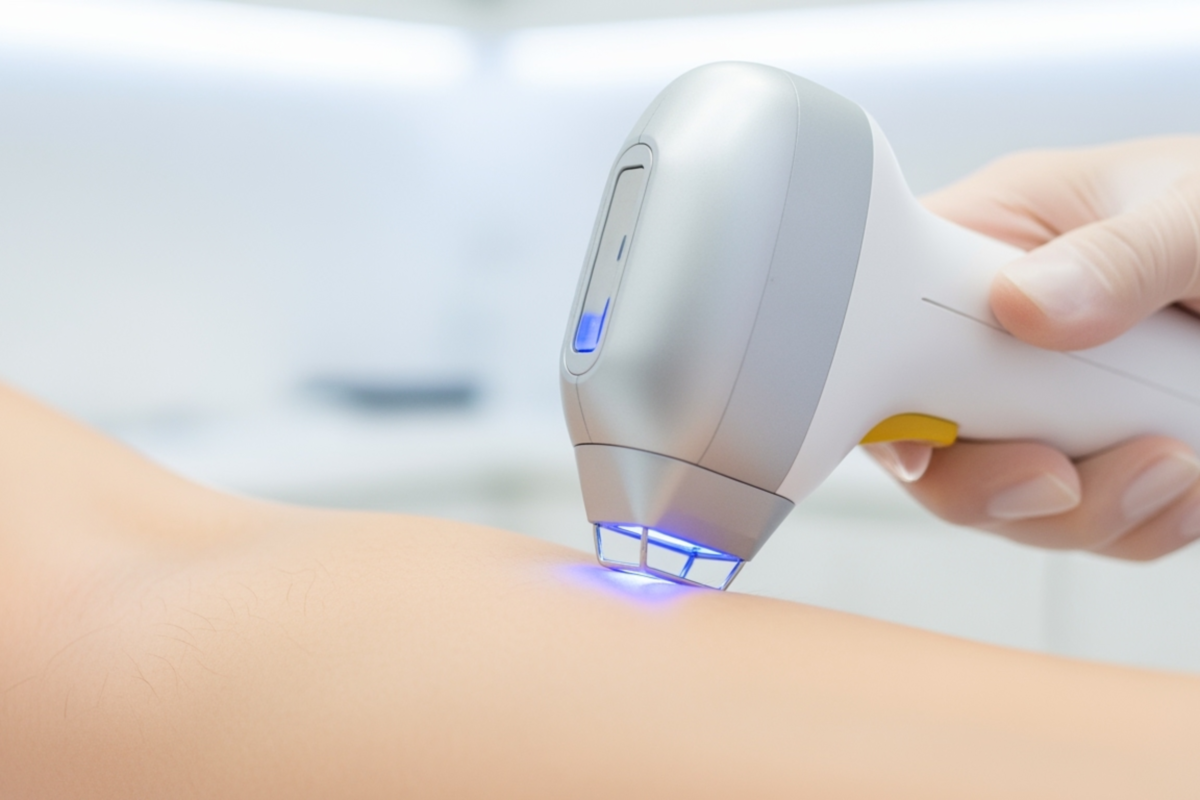
Laser hair removal gets talked about in a weird way. Some people describe it like magic. Others talk about it like a scam, or a torture device, or something that only works if you have exactly the “right” skin and hair. No wonder people feel unsure.
The practical reality is less dramatic and more useful. Laser can be a very effective way to reduce unwanted hair, but it works best when you understand what it can do, what it cannot do, and what kind of commitment it actually takes. That gap between expectation and reality is where most confusion lives.
If you have been curious about laser but kept putting it off, this guide is for you. Here are the most common misconceptions, compared with what usually happens in real life.
Why laser hair removal creates so much confusion
Part of the problem is that people use the word “laser” as if it means one identical treatment everywhere. It does not.
Different laser systems work differently. Providers have different training. Skin tone, hair color, hormones, medications, recent sun exposure, and the treatment area all matter. On top of that, many people compare stories from ten years ago with what is possible now, and those are not always comparable experiences.
There is also the expectation problem. People hear “hair removal” and think “hair gone forever, quickly, everywhere.” That is a setup for disappointment. Laser usually delivers hair reduction over time, not instant perfection.
Once you know that, the whole topic becomes much less mysterious.
Misconception: One laser session should solve the problem
This is probably the biggest myth.
A single laser treatment rarely clears an area completely because hair grows in cycles. Laser is most effective when hair is in the active growth phase, and not every follicle is in that phase at the same time. That is why treatments are spaced out and repeated.
Practical reality: most people need a series of sessions, often around six to eight to start, sometimes more depending on the area, hair density, hormones, and the device being used. After that, some people choose maintenance appointments.
This is not a sign that laser “didn’t work.” It is how laser works.
The underarms often respond faster than hormonal areas like the face. Legs may need patience. Bikini treatments can be very effective, but again, not in one visit. If someone promises totally smooth skin after a single laser session, I would be skeptical.
Misconception: Laser hair removal means every hair disappears forever
This one is half true, which makes it extra confusing.
Laser can produce long-term hair reduction. Many hairs stop growing. Others grow back finer, lighter, or slower. Some areas stay smooth for long stretches. But “permanent” is often used too casually.
Practical reality: laser tends to reduce the number of active hair follicles and weaken regrowth. It does not guarantee that every single hair will be gone forever for every person. Hormonal changes can trigger new growth later. Age can change things. Some stubborn follicles hang on.
That does not make laser a bad option. It just means success should be measured realistically. If you go from shaving every day to shaving once every few weeks, or from thick dark regrowth to sparse fine hair, that is a major change.
People often feel happier with laser once they stop expecting perfection and start looking for meaningful reduction.
Misconception: Laser works the same for everyone
It would be convenient if that were true. It is not.
Laser targets pigment in the hair. Darker, coarser hair usually responds better because it gives the laser a clearer target. Very light blonde, gray, white, or red hair can be much harder to treat effectively. Skin tone matters too, because the provider needs to choose settings and often a specific laser type that can treat the skin safely.
Practical reality: the best candidate is not one universal person. A good consultation looks at your skin tone, hair color, hair thickness, treatment area, medical history, and goals. That consultation matters more than people think.
This is also why two friends can have completely different outcomes. One gets fast reduction on the legs. The other sees slower progress on the face. Neither story cancels the other out.
If you are comparing options at a beauty clinic in Vancouver or anywhere else, the real question is not “Do they do laser?” It is “Do they assess whether this laser is right for me?”
Misconception: Laser is unbearably painful
Older laser stories have done a lot of damage here.
Some people still imagine laser as a long, searing experience. That is not how many modern treatments feel. Discomfort is real, but it is usually brief and manageable. A lot of people describe it as a hot snap, like an elastic band against the skin, repeated quickly.
Practical reality: pain varies by area and person. The upper lip and bikini line often feel sharper than the lower legs. Underarms can be surprisingly tolerable. Some laser systems include cooling features that make a noticeable difference. Treatment speed matters too. A fast appointment feels easier than one that drags.
It is also okay if your pain tolerance is not heroic. You do not need to prove anything. Ask what the clinic does to keep treatment comfortable. Good providers expect that question.
One more thing. People often assume waxing is somehow the “normal” pain and laser is extreme. Honestly, for many patients, laser becomes easier than repeated waxing once they get used to it.
Misconception: You should let the hair grow before a laser appointment
This is a common one, probably because people are mixing laser rules with waxing rules.
With waxing, you need visible growth. With laser, you usually do not want long hair sitting above the skin because the energy should target the follicle, not singe surface hair.
Practical reality: most providers ask you to shave the area before treatment, usually within about 24 hours, though instructions vary a bit. What you generally should avoid before laser is plucking, waxing, or threading, because those remove the root that the laser needs to target.
This part matters. If you wax between sessions, you can interfere with the treatment plan.
A basic prep routine often looks like this:
-
Shave as instructed before your appointment.
-
Skip waxing, plucking, and threading for several weeks beforehand.
-
Avoid active sunburn or heavy tanning.
-
Arrive with clean skin, free of heavy lotions or self-tanner on the treatment area.
Simple, but important.
Misconception: Sensitive skin and laser do not mix
People with sensitive skin often assume laser is automatically a bad idea. That is understandable. If your skin reacts to everything, the word “laser” can sound like a terrible plan.
Practical reality: sensitive skin does not automatically rule you out. It means assessment and aftercare matter more. A skilled provider should ask about past reactions, current products, and any conditions like eczema, rosacea, or recent irritation. They should also ask about retinoids, exfoliating acids, acne medications, and anything that makes your skin more reactive.
Temporary redness and mild swelling around hair follicles are common after laser. That response can actually be a normal sign that the treatment reached the follicle. It usually settles. But people with truly reactive skin may need more cautious settings, careful timing, or even a delay until the skin barrier is calmer.
This is where laser overlaps with broader skin care and even health services. A rushed appointment misses details. A good consultation does not.
Misconception: You cannot do laser in the summer
This myth is based on a real concern, but it gets overstated.
Sun exposure does affect laser planning. Tanned or sunburned skin can raise the risk of irritation or pigmentation problems, and recent UV exposure can change whether treatment should happen that day.
Practical reality: summer does not make laser impossible. It makes sun protection more important. If you are careful about avoiding direct sun on the treatment area, wearing protective clothing, and using sunscreen where appropriate, you may still be able to continue treatment. Some people simply find fall and winter easier because they are covering up more and getting less incidental sun.
In Vancouver, that timing can work in your favor. Plenty of people start laser in the cooler months and continue through spring. But the season is not the whole story. Your actual skin condition that week matters more than the calendar.
The real takeaway is not “never book laser in summer.” It is “tell your provider about recent sun exposure and follow aftercare seriously.”
Misconception: At-home laser is basically the same as in-clinic laser
This is where marketing gets people.
Many at-home devices are convenient. Some can help with maintenance or gradual reduction for certain users. But they are not a drop-in substitute for professional laser hair removal.
Practical reality: in-clinic laser devices are stronger, more precise, and operated with training. At-home systems are built with lower energy for safety, which also means results tend to be slower and less dramatic. User technique matters too. It is easy to miss sections, use inconsistent timing, or stop too soon.
That does not mean home devices are useless. It means expectations should match the tool. If your goal is significant reduction on dense hair, especially in larger or more stubborn areas, professional laser usually gets you there more efficiently.
This also matters for safety. People sometimes assume lower power means “zero risk,” then use a device on unsuitable skin or over irritated areas. Read instructions carefully. Boring advice, I know, but it matters.
Misconception: Laser hair removal is only for women
Still hanging around, still wrong.
Laser is for anyone who wants less hair. Men commonly treat the back, chest, shoulders, neck, beard line, and other areas where shaving causes irritation. Nonbinary and trans clients may use laser as part of a gender-affirming routine. Athletes use it for comfort. Busy people use it because they are tired of maintenance. Some people simply prefer the feel of smoother skin.
Practical reality: the best treatment plan depends on the area, the hair, and the person, not the gender.
Facial hair can be especially emotional territory. People do not always say that out loud, but it is true. When hair growth affects confidence, the practical benefit of laser is not vanity in some shallow sense. It is relief.
Misconception: Hormonal hair growth means laser is pointless
Hormones complicate laser, but they do not make it pointless.
Conditions like PCOS can cause persistent or increased hair growth, especially on the face, chin, neck, and body. People with hormonal hair growth sometimes hear two extreme messages: either laser will fix everything, or laser is useless. Neither is very helpful.
Practical reality: laser can still reduce hair growth and improve manageability, but you may need more sessions and more maintenance. Hormones can keep stimulating follicles over time. That does not erase the benefit. It just changes the treatment plan.
This is one reason a thorough intake matters. A provider who asks good questions and sets realistic expectations is doing you a favor. The same is true of broader wellness consultations, where the goal is to look at the whole picture rather than one isolated symptom.
How to tell if a clinic is taking laser seriously
This part matters almost more than the laser machine itself.
A good provider does not rush you into treatment just because you asked for it. They screen. They explain. They tell you when laser may be a poor fit, or when you should wait because of sun exposure, medication use, active irritation, or recent hair-removal methods.
If you are comparing clinics, ask these questions:
-
What laser system do you use, and how do you choose settings for different skin tones?
-
How many sessions do you typically recommend for my area and hair type?
-
What should I stop doing before treatment, especially skin care products or hair removal methods?
-
What reactions are normal afterward, and what should make me call you?
-
Who performs the treatment, and what training do they have?
You do not need to sound like an expert. You just need clear answers.
Also, do not assume that a clinic offering many services, whether laser, skin rejuvenation, body contouring, or other aesthetic treatments, automatically means every service has the same depth of expertise. Ask specifically about laser.
Where laser fits into a bigger self-care routine
Laser hair removal often gets treated like a stand-alone decision, but people usually think about it as part of a bigger routine. Less shaving can mean less irritation. Fewer ingrown hairs can make skin look clearer. Some people find it pairs well with other goals, like simplifying body care or reducing time spent managing unwanted hair before workouts, travel, or special events.
What laser does not do is replace all skin care. If you want smoother texture, less redness, pigment correction, or other changes, that is a separate conversation. Laser hair removal is not the same as skin rejuvenation. A good clinic should explain that plainly instead of blurring everything together under the word “laser.”
That distinction matters because people often book treatment while actually hoping for several different results. Hair reduction is one goal. Skin clarity is another. Comfort is another. Sorting those out at the start usually leads to better decisions.
So, is laser worth it?
For a lot of people, yes. But only if “worth it” means fewer hassles, less regrowth, and a long-term reduction plan, not a single miracle appointment.
That is the practical reality I wish more people heard. Laser is not magic. It is also not a gimmick. It is a tool, and like most good tools, it works best when used for the right job, on the right person, with the right expectations.
If you have been avoiding laser because of stories that made it sound scary, fake, or impossible for your skin, it may be time to revisit the idea with better information. Ask questions. Get a real assessment. Be honest about your goals. A confident decision usually starts there.