


































If you’re curious about laser hair removal, you’re not alone. A lot of people reach the same point: they’re tired of shaving, done with ingrown hairs, or just want a routine that takes less effort. Then they start researching and run into a mess of half-answers. Does it hurt? Is it permanent? Does it work for everyone? How many sessions do you really need?
The short answer is that laser hair removal can work very well, but it’s not magic, and it helps to know the basics before you book anything.
This guide is for beginners. No hype, no scare tactics, no pretending one treatment fits everybody. Just a clear look at what laser hair removal is, how it works, who it may suit, and what to ask before your first appointment.
What laser hair removal actually does
Laser hair removal uses concentrated light to target pigment in the hair. That light turns into heat, which damages the hair follicle enough to slow future growth. The goal is long-term hair reduction, not instant or total hair disappearance after one visit.
That distinction matters. A lot of disappointment comes from expectations that were never realistic in the first place.
Hair grows in cycles, and lasers work best when hair is in the active growth phase. Since not all hairs are in that phase at the same time, treatment has to happen over a series of sessions. One appointment can help, but it usually takes several to see a major change.
For many people, the result is less hair, finer hair, and slower regrowth. Some areas may end up nearly hair-free for long stretches. Others may still need occasional maintenance.
Why people choose it over shaving or waxing
The appeal is pretty obvious. Shaving is constant. Waxing can be painful, expensive over time, and rough on sensitive skin. Tweezing is fine for a few stray hairs and maddening for anything beyond that.
Laser hair removal is popular because it can reduce the amount of daily or weekly upkeep. It may also help people who deal with razor burn, bumps, or ingrown hairs. That said, it asks for patience up front. You trade constant short-term maintenance for a structured treatment plan.
I think that’s the part people either love or hate. If you want a one-and-done fix, this will feel annoying. If you want fewer hassles six months from now, it makes more sense.
Common treatment areas
Most people think of underarms, legs, bikini area, and face first. Those are common. But laser hair removal is also used on the back, chest, arms, stomach, neck, and other areas where unwanted hair feels frustrating or time-consuming.
The “best” area to start with often depends on your goal. Some people pick the area that annoys them most every week. Others start small, like underarms, to see how their skin reacts and whether they like the process before committing to larger areas.
Does it work for everyone?
This is where the answer gets more nuanced.
Laser hair removal often works best when there is a strong contrast between skin tone and hair color, especially darker hair against lighter skin. That’s because the laser is targeting pigment in the hair. Dark, coarse hair tends to respond well. Very light blond, gray, white, or red hair is usually harder to treat because there’s less pigment for the laser to target.
Skin tone matters too, but newer laser systems have widened the range of people who may be treated safely. The old idea that laser hair removal is only for light skin is outdated. Still, technology and provider experience matter a lot here. Not every device is right for every skin tone.
So yes, many different people can be good candidates. But “many” is not the same as “everyone.” That’s why a proper consultation matters.
What happens during a consultation
A consultation should feel like an assessment, not a sales pitch.
A qualified provider usually asks about your skin type, hair color, medical history, medications, sun exposure, and any skin conditions. They may ask whether you’ve waxed recently, whether you’re pregnant, whether you have a history of pigmentation changes, or whether you’re using products like retinoids.
This is also your chance to ask practical questions. For example:
-
What type of laser do you use?
-
Is it suitable for my skin tone and hair color?
-
How many sessions do you think I’ll need?
-
What should I avoid before treatment?
-
What side effects are common?
-
What happens if my skin reacts badly?
If a consultation feels rushed or vague, trust that feeling. You don’t need someone charming. You need someone careful.
What a treatment session feels like
People describe laser hair removal in different ways. Some say it feels like a rubber band snapping against the skin. Others say it’s more like quick heat with a little sting. Sensitive areas often feel stronger than others.
Pain tolerance is personal, so I’m always skeptical when anyone says it’s “totally painless” or “unbearable.” For most people, it falls somewhere in the middle: noticeable, manageable, and brief.
A typical session usually goes like this:
-
The area is cleaned and, in many cases, shaved before treatment.
-
You and the provider wear protective eyewear.
-
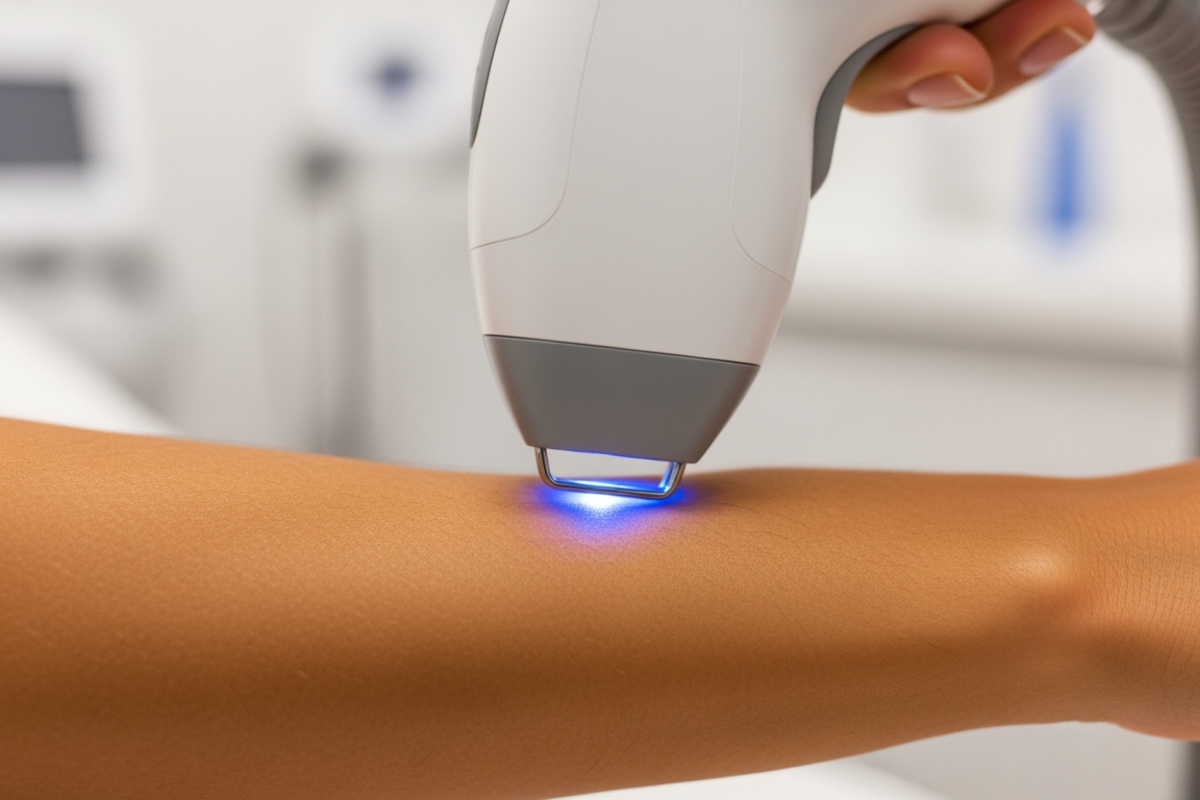
The laser device is applied in short pulses across the treatment area.
-
A cooling system or gel may be used to make the process more comfortable.
-
The session ends with simple aftercare instructions.
Small areas can be done quickly. Larger areas take longer. Underarms may be finished in minutes. Full legs are a different story.
How many sessions you’ll need
This depends on the area being treated, your hair growth cycle, hormones, hair thickness, and how your body responds.
Many people need a series of treatments spaced several weeks apart. After that, some choose maintenance sessions once or twice a year, while others wait much longer.
Facial hair can be especially stubborn because hormones play such a big role. Body areas may respond more predictably. That doesn’t mean facial treatment is a bad idea, only that it may require more patience.
If someone promises a fixed number of sessions with certainty, I’d be cautious. Estimates are normal. Guarantees are not.
What you should do before your appointment
Preparation matters more than people think. It affects both safety and results.
Most providers ask you to avoid tanning before treatment, including sunbathing and self-tanner. Tanned skin can raise the risk of irritation or pigment changes. You’re also usually told to avoid waxing, plucking, or threading for a period before your session because those methods remove the hair root, and the laser needs that target in place. Shaving is typically allowed and often recommended.
You may also need to pause certain skincare products if you’re treating the face or another sensitive area. Strong exfoliants, retinoids, and some acne treatments can make skin more reactive.
This is another reason consultations matter. Good prep instructions should be specific, not guessed.
What happens after treatment
Right after a session, mild redness or swelling is common. The skin can feel a bit warm, like a light sunburn. That usually settles within hours or a couple of days.
Aftercare often includes avoiding heavy heat for a short time, such as hot baths, saunas, or intense workouts. Sun protection matters too, especially if you’re treating exposed areas like the face, arms, or legs. Picking at the skin or using harsh scrubs too soon is a bad idea.
One thing that surprises beginners is shedding. Treated hairs may look like they’re still growing, but over the next couple of weeks they often start to fall out. That’s normal. It doesn’t mean the treatment failed. It means the damaged hairs are working their way out.
Side effects and risks to know about
Laser hair removal is generally considered safe when done by a trained professional using the right settings, but “generally safe” doesn’t mean risk-free.
Possible side effects include redness, swelling, temporary irritation, pigment changes, and, more rarely, blistering or burns. The risk tends to go up when the wrong device is used, settings are too aggressive, aftercare is ignored, or the provider doesn’t have enough experience with your skin tone.
This is where people sometimes get lured in by cheap deals and regret it later. Price matters, sure. So does skill. I wouldn’t treat those as equal factors.
If you’re comparing options at a beauty clinic or among other health services, don’t focus only on the package price. Ask about qualifications, technology, patch tests, and whether the provider regularly treats people with your skin type.
How laser hair removal compares with other options
Laser hair removal is one piece of a bigger aesthetics and wellness world. Some people first hear about it while looking into skin rejuvenation, body contouring, or general wellness consultations. That can be helpful, but it also creates confusion because these services do very different things.
Laser hair removal targets hair follicles. It does not tighten loose skin, fade all scars, or replace skincare. It also doesn’t change body shape or fix hormonal issues causing excess hair growth.
Compared with waxing, it usually asks for more commitment up front but less ongoing maintenance later. Compared with shaving, it’s more expensive at first but may save time and frustration. Compared with electrolysis, it often covers larger areas faster, though electrolysis may be a better option for certain hair colors that laser struggles to treat.
The right choice depends on your hair, skin, budget, patience, and goals. Annoying answer, but true.
Who should be extra cautious
Some people need more screening before treatment. That includes anyone with very recent sun exposure, a history of hyperpigmentation, certain skin disorders, active infections in the treatment area, or medications that make the skin light-sensitive. Hormonal conditions may also affect results.
Pregnancy policies vary by provider, and many clinics choose to postpone treatment out of caution. If you’re managing a medical condition or taking prescription medication, it’s worth raising that before treatment instead of assuming it’s unrelated.
You don’t need to arrive knowing all the right terms. You just need to mention the relevant facts and let the provider assess them.
How to choose a provider without getting overwhelmed
If you’re new to this, every website can start to sound the same. Everyone says they’re experienced. Everyone says results are great. That doesn’t help much.
A better approach is to look for a few practical signs:
The consultation should be detailed, not rushed. The provider should explain what laser they use and why it suits your skin and hair. They should talk openly about limits, side effects, and expected timelines. They should not promise perfect results or pressure you into booking on the spot.
If you’re searching in a city like Vancouver, where there are plenty of options, this matters even more. A large market gives you choice, but it also means you’ll see wide variation in quality, training, and transparency.
Ask direct questions. Read reviews with a skeptical eye. Look for comments about safety, communication, and consistency, not just “nice place” or “friendly staff.”
A few myths worth dropping
One myth is that laser hair removal works after a single session. It doesn’t.
Another is that it always removes every hair forever. Sometimes results last a very long time. Sometimes maintenance is needed. Hormones can change the picture.
A third myth is that more pain means better results. No. Too much heat can mean poor settings or unnecessary risk.
And one more: if it’s available everywhere, it must be simple. It’s common, yes. Simple for the client, maybe. Simple to perform well on different skin tones and hair types? Not really.
Is it worth it?
For a lot of people, yes. For some, no.
If you want lower-maintenance hair reduction and you’re willing to show up for a series of appointments, laser hair removal can be a very practical choice. If your hair color is unlikely to respond well, or you want immediate permanent results with no upkeep, it may not match your expectations.
That’s the real beginner takeaway: don’t ask whether laser hair removal is “good.” Ask whether it fits your skin, hair, budget, schedule, and tolerance for gradual results.
That question gets you much closer to a smart decision.
The bottom line
Laser hair removal can be effective, convenient, and genuinely worth the effort, but it works best when you go in informed. Know that results take time. Know that consultations matter. Know that your skin tone, hair color, and provider’s experience all affect the outcome.
If you’re at the stage where you’re still deciding, that’s fine. You don’t need to rush. Read, ask questions, and look for a provider who answers clearly without making big promises.
A treatment like this should feel straightforward before it ever starts. If it doesn’t, keep looking.