





















If you’ve seen “IV brightening” on a treatment menu and thought, wait, what does that even mean?, you’re not alone.
It sounds simple. Sit down, get a drip, leave glowing. That’s usually how it’s marketed. Real life is less tidy than that.
IV brightening is a wellness treatment people seek when they want skin that looks less dull, more even, or more “radiant.” The problem is that the phrase itself is loose. It isn’t a formal medical diagnosis or a standard treatment category. Different clinics use it to mean different things, and the ingredients in one brightening drip may not match the ingredients in another.
So if you’re new to the topic, the best place to start is not with hype, but with the basics: what it is, how it’s supposed to work, what the evidence actually says, and what questions are worth asking before you book anything.
What “IV brightening” usually means
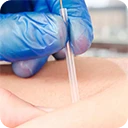
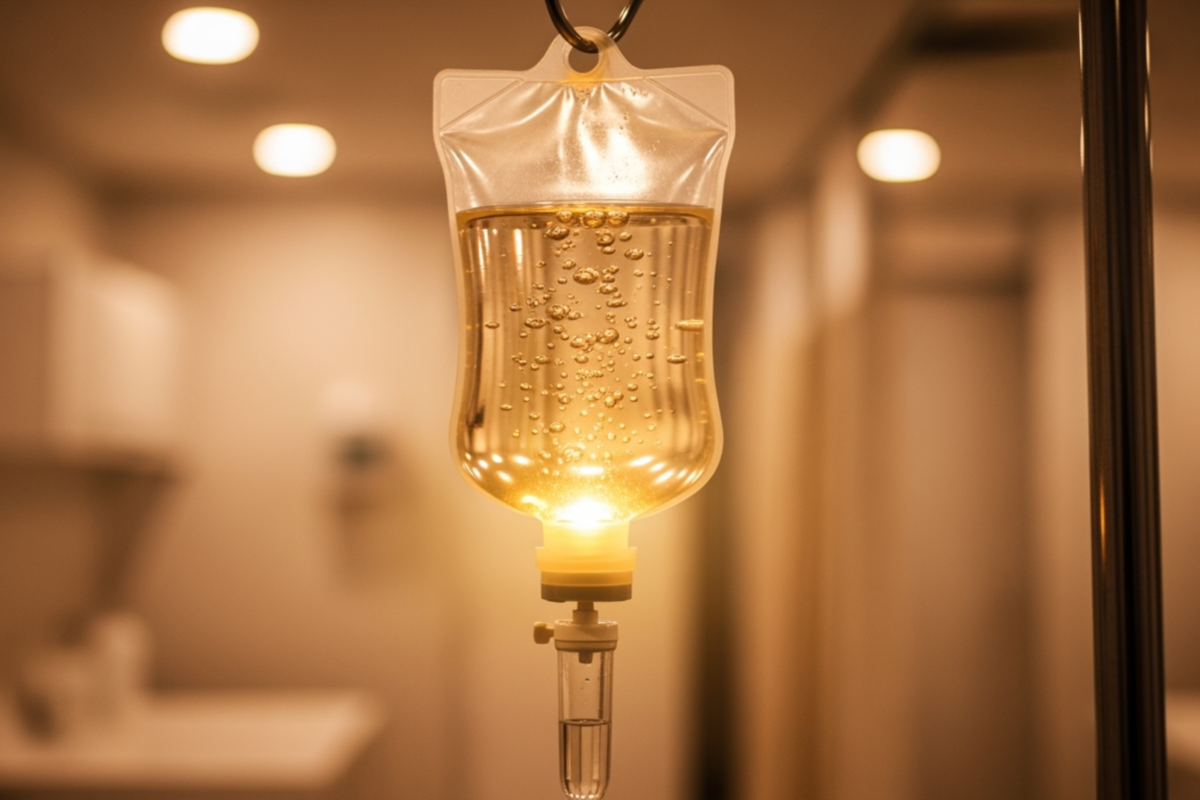
IV therapy is short for intravenous therapy. A provider places a small catheter into a vein, and fluids or nutrients are delivered directly into the bloodstream.
When the word “brightening” is added, the treatment is usually being framed as support for skin appearance, especially for concerns like:
-
dull-looking skin
-
uneven tone
-
post-acne marks
-
a tired or “flat” complexion
That said, “brightening” does not mean the same thing to everyone. For some people, it means hydrated, fresher-looking skin. For others, it means fading pigmentation. And for some clinics, it becomes a vague catch-all phrase that sounds better than “vitamin drip.”
One thing matters here: brightening should not be confused with promising a dramatic change in your natural skin color. If that’s what a treatment is implying, slow down and ask harder questions.
What’s usually in an IV brightening drip
There isn’t one universal formula, but a few ingredients show up often.
Glutathione is probably the most talked about. It’s a naturally occurring antioxidant found in the body. It helps deal with oxidative stress, and it’s often marketed in brightening treatments because it may affect melanin production pathways.
Vitamin C is another common ingredient. It plays a role in collagen production and has antioxidant effects. Some people also associate it with a brighter-looking complexion, although that claim is stronger for topical vitamin C than for IV use aimed at cosmetic results.
B vitamins may be included too, especially B-complex formulas. These are more often linked to energy metabolism than skin tone, but they show up in many wellness drips.
Some formulas also include hydration fluids, minerals, amino acids, or trace nutrients.
This is where things get messy. Two treatments can have the same name and completely different ingredient amounts. That’s one reason IV brightening is hard to evaluate as a category. You’re not comparing one standard treatment. You’re comparing a bunch of custom or semi-custom mixes under one catchy label.
How it’s supposed to work
The basic idea behind IV therapy is straightforward: nutrients delivered into a vein bypass digestion.
That doesn’t automatically mean “better” for everyone. It means the ingredients enter the bloodstream directly instead of being broken down and absorbed through the gut. In medical care, that can be very useful. In cosmetic wellness, the benefits are more context-dependent.
With IV brightening, the theory usually rests on two claims.
The first is that hydration and nutrients may improve how you feel overall, and when your body is well hydrated, skin can look less dull for a short time. That part is believable. Anyone who has been dehydrated knows the skin and face can look tired.
The second claim is that ingredients like glutathione may reduce oxidative stress and influence pigmentation processes. That’s where marketing tends to get ahead of the evidence.
There is some research interest in glutathione for skin appearance, but the evidence for IV glutathione as a reliable cosmetic brightening treatment is limited. Small studies exist. Results are mixed. Treatment protocols vary a lot. And many of the claims people hear on social media are much stronger than what the data supports.
So yes, there is a biological theory behind it. No, that does not mean everyone will see a meaningful or lasting change.
What the research really supports, and what it doesn’t
This is the part people often skip because it’s less fun than “glow drip” before-and-after videos.
The best-supported skin brightening treatments are still topical and procedural options targeted to the actual cause of discoloration. If you have acne marks, melasma, sun spots, redness, or dehydration, those are different problems. They don’t all respond to the same treatment.
For IV brightening specifically, here’s the fair version:
Glutathione has been studied for its antioxidant role in the body. It has also been studied in skin-lightening and skin-brightening contexts, but the cosmetic evidence is not strong enough to promise dramatic results. Many studies are small, short-term, or use different forms such as oral, topical, or injectable routes, which makes clean conclusions harder.
Vitamin C has a decent reputation in skincare, especially in serums, because topical use can help with dullness and pigmentation over time. That doesn’t automatically translate into IV vitamin C being a cosmetic skin brightening solution for healthy people.
Hydration can make skin look temporarily better. That is probably one of the more immediate effects people notice after many IV treatments in general. But “my skin looked fresher the next day” is not the same as long-term correction of pigmentation.
In plain English: some people may notice subtle improvements in radiance or overall freshness, but strong claims about major skin lightening or guaranteed brightening should make you skeptical.
That skepticism is healthy.
What a session usually looks like
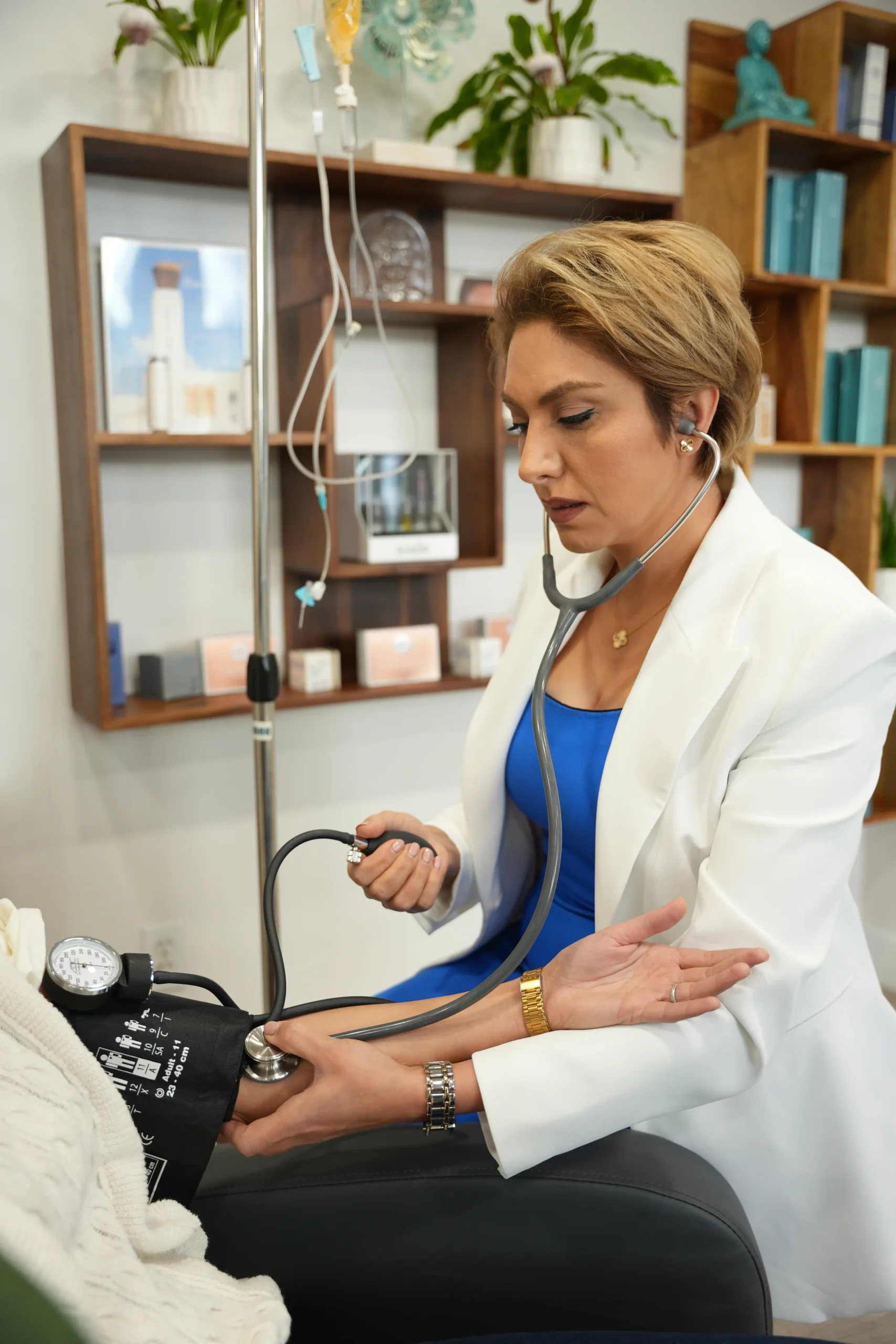
If you go to a beauty clinic or wellness center offering IV brightening, the visit often starts with a consultation. A provider should ask about your health history, medications, allergies, pregnancy status, kidney issues, and the reason you want the treatment.
Then the session usually follows a simple pattern:
-
Your provider reviews the ingredients and checks whether the treatment is appropriate for you.
-
A small IV is inserted, usually in the arm or hand.
-
The infusion runs over a set period, often 30 to 60 minutes.
-
You’re monitored for discomfort, dizziness, or reactions.
-
Afterward, you’re given aftercare instructions and told what to watch for.
Some places recommend a series rather than a single session. That’s not automatically unreasonable, but it does raise the stakes. Before agreeing to repeated treatments, you should know what outcome you’re aiming for, how it will be measured, and what evidence supports that plan.
If the consultation feels rushed, or if no one asks about your medical history, that’s a bad sign.
What results can realistically look like
This is where expectations matter more than almost anything else.
If you’re hoping for a softer, more rested look, especially if dehydration or lifestyle stress is part of the issue, you may notice some short-term improvement in how your skin looks. People sometimes describe that as a glow. Fair enough.
If you’re hoping to treat persistent hyperpigmentation, melasma, sun damage, or post-inflammatory dark marks, IV brightening is much less predictable. Those concerns usually respond better to a targeted plan, not a generic drip.
And if you’re expecting a dramatic change after one appointment, that expectation is probably being fed by marketing, not biology.
Skin appearance is tied to a lot of variables: sleep, sun exposure, hormones, acne, inflammation, smoking, genetics, medications, and your daily skincare routine. No infusion exists in a vacuum.
The risks people don’t talk about enough
IV treatments are often framed as low-effort self-care. Sometimes they are. But they are still medical-style procedures, which means they come with real risks.
Some are simple and common, like bruising, soreness, or irritation where the IV goes in. Some are less common but more serious, including infection, vein inflammation, fainting, allergic reactions, and fluid or electrolyte problems.
Ingredient-specific risks matter too. High-dose vitamin C is not a casual add-on for everyone. It can be a problem for people with certain kidney issues or a history of kidney stones. People with some medical conditions or enzyme deficiencies may need extra caution with certain ingredients. If you’re pregnant, breastfeeding, taking regular medications, or managing a chronic illness, you shouldn’t treat this like a harmless beauty extra.
There’s also a softer risk, but I think it matters: spending money and time on a treatment that doesn’t match the actual cause of your skin concern. That happens a lot.
If the real issue is melasma, for example, the smarter conversation may be about sunscreen, heat exposure, hormones, prescription topicals, or in-office pigment treatments, not an IV drip.
Who should be especially cautious
Some people should pause and get medical guidance before considering any elective IV treatment.
That includes people with kidney disease, heart disease, liver disease, uncontrolled blood pressure, a history of severe allergies, active infections, or a tendency to faint with needles. It also includes people who are pregnant or breastfeeding unless they’ve spoken with a qualified medical professional.
And if your interest in IV brightening is tied to symptoms like major fatigue, hair loss, dizziness, weight changes, or shortness of breath, don’t self-diagnose. Those symptoms deserve real medical evaluation. A cosmetic drip is not a shortcut around that.
Questions worth asking before you book
A good provider should be comfortable answering direct questions without getting defensive. If they can’t, that tells you something.
Here are a few questions that actually matter:
-
What exactly is in this formula, and in what doses?
“Brightening blend” is not enough information. -
What result should I realistically expect, and how soon?
You want specifics, not vague promises. -
What evidence supports using this treatment for my concern?
Ask this especially if your concern is pigmentation, melasma, or acne marks. -
Who will assess me and who will place the IV?
Training and oversight matter. -
What are the risks for someone with my medical history?
A real consultation should be personal, not generic. -
What other treatments might work better for my skin issue?
Honest providers don’t pretend one service fixes everything.
I’d pay close attention to how the answers feel. Clear and measured is good. Overconfident is not.
Better first steps for dullness and uneven skin tone
This may be the least glamorous part of the conversation, but it’s often the most useful.
If your main goal is brighter-looking skin, the basics usually do more than people want to admit.
Daily sunscreen matters more than almost any brightening treatment. If you’re trying to fade marks while skipping SPF, you’re making life harder than it needs to be.
Topical treatments also have a stronger track record for many pigmentation concerns. Depending on the issue, that might include vitamin C, niacinamide, retinoids, azelaic acid, tranexamic acid, or prescription options. These work differently, and they’re not all right for every skin type, but they’re usually where an evidence-based plan starts.
Hydration, sleep, and managing irritation also count. I know that sounds boring. It is boring. It’s still true.
And if your skin concern is specific, such as melasma, rosacea, acne scarring, or sun spots, it’s worth getting an actual diagnosis. Treating “dullness” when the issue is really inflammation or pigment is how people end up disappointed.
So, is IV brightening worth trying?
Maybe, but only if you go in with grounded expectations.
If you view it as a supportive wellness treatment that might help you feel refreshed and possibly give a subtle boost in how your skin looks, that’s a reasonable frame. If you view it as a proven fix for pigmentation or a dramatic complexion changer, that frame is shaky.
The phrase “IV brightening” sounds neat. The reality is less neat. The ingredients vary. The evidence is limited. The experience depends a lot on the formula, the provider, your health, and what problem you’re actually trying to solve.
That doesn’t make the treatment pointless. It just means you should treat it like an informed choice, not a magic one.
The bottom line
IV brightening is usually a nutrient-based IV treatment marketed for glow, radiance, or more even-looking skin. It often includes ingredients like glutathione and vitamin C, but formulas differ, and cosmetic claims can run ahead of the science.
For some people, it may offer a temporary fresher look or a general sense of wellness. For persistent pigmentation or major skin tone concerns, it is rarely the most direct or best-supported first step.
If you’re curious, the smartest move is simple: get a proper consultation, ask exactly what’s in the drip, be honest about your health history, and keep your expectations realistic.
That may not be the flashy answer. It’s still the useful one.