













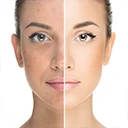





















A facial can sound appealing until you remember the last product that left your skin stinging. When your skin reacts easily, promises of smoother texture and a fresh glow often come with a more practical question: Will this make things worse?
HydraFacial and customized facials can both improve the appearance and feel of skin. They differ in how they cleanse, exfoliate, extract debris, and deliver hydration. Neither is automatically the gentler choice.
For reactive skin, the best decision depends on what is happening with your skin today, which ingredients and techniques you tolerate, and how much the treatment can be adjusted. Sometimes, the right choice is a simplified facial. Sometimes, it is postponing treatment until irritation settles.
Here is how to compare the options without letting the treatment name make the decision for you.
What Does “Reactive Skin” Actually Mean?
“Reactive skin” describes a tendency to develop symptoms such as stinging, burning, itching, tightness, or redness after exposure to products or environmental triggers. It is a useful description, but it is not a medical diagnosis.
You might react to fragrance, exfoliating acids, heat, or friction. Another person might tolerate those things but develop irritation after suction or repeated cleansing. Even products you previously used comfortably can sting when your skin barrier is disrupted.
The skin barrier helps retain moisture and limit exposure to irritants. When it is compromised, skin may feel dry, tender, or unusually sensitive. Over-exfoliation, harsh cleansing, and some skin conditions can contribute to that problem.
Rosacea, eczema, contact dermatitis, and acne can also affect treatment tolerance. A facial does not replace medical care for these conditions. Persistent redness, an unexplained rash, or recurring burning deserves an assessment rather than repeated attempts to “clean out” the skin.
The useful starting question is specific: What does your skin react to, and what does that reaction look like?
How a HydraFacial Works
HydraFacial is a noninvasive, device-based treatment that combines exfoliation, suction-based extraction, and the application of topical solutions. It generally follows a structured sequence, although products and treatment settings may be adjusted.
Cleansing and exfoliation
The first stage removes surface debris, excess oil, and some dead skin cells. Depending on the protocol, exfoliation may involve acid-containing solutions as well as contact with the treatment tip.
This step can improve surface smoothness, but reactive skin has a lower tolerance for doing too much. The solution, number of passes, and pressure all matter. “Gentle exfoliation” is not a fixed intensity that feels gentle to everyone.
Suction-based extraction
The device uses suction and fluid to loosen and remove material from pores. This may reduce the appearance of blackheads and congestion without the same manual squeezing used in some traditional facials.
Still, suction is a physical force. It may cause redness or irritation, especially when settings are too strong or an area receives repeated passes. Skin that flushes easily or has visible superficial blood vessels may need particular caution.
Hydration and serum application
The final stages apply solutions that may contain humectants, antioxidants, peptides, or other ingredients chosen for cosmetic goals.
Hydration can temporarily make skin appear plumper and soften the appearance of fine lines. But “hydrating” does not mean allergy-proof or irritation-proof. The complete formula matters, including fragrance, preservatives, and any added active ingredients.
What Makes a Facial Truly Customized?
A customized facial is built around the practitioner’s assessment and choice of products and techniques. It may include cleansing, exfoliation, manual extraction, masks, massage, and moisturizer. It can also leave several of those steps out.
That flexibility is its main potential advantage for reactive skin.
For example, a practitioner might skip steam for someone who flushes with heat, avoid exfoliation on already irritated skin, or leave tender areas untouched during extraction. A short treatment with a mild cleanser, a well-tolerated moisturizer, and minimal handling may be more appropriate than a full sequence.
However, the word “customized” is not a guarantee of gentleness. A facial that combines a scrub, acid peel, hot steam, vigorous massage, and extractions can be irritating even if every product was individually selected.
The useful distinction is not machine versus hands. It is how much stress the treatment places on your skin and whether the practitioner changes course when your skin signals discomfort.
How the Options Compare for Reactive Skin
Both approaches can be adapted, but their practical differences are worth understanding.
ConsiderationHydraFacialCustomized facialTreatment formatUsually follows a structured device-based sequenceCan be assembled around selected products and techniquesExtraction methodPrimarily suction-basedMay involve manual extraction, or noneMain tolerance concernsExfoliating solutions, suction intensity, repeated passes, serum ingredientsProduct ingredients, heat, friction, exfoliation, manual pressureCustomizationMay include changes to settings, solutions, and treatment areasMay allow broad changes to the sequence and hands-on methodsLikely short-term effectsSmoother feel, hydration, reduced appearance of some congestionEffects depend on the steps chosenBest basis for choosingTolerance of the proposed device steps and formulasTolerance of the proposed products and manual techniques
A HydraFacial may make sense if your skin is stable, congestion is a concern, and you have tolerated similar exfoliation and suction before. Its structured format may also appeal to you if you want a predictable sequence.
A customized facial may be easier to simplify when your skin tolerates very little. That advantage only matters if the practitioner is willing to omit steps rather than replace each omitted step with something else.
Neither treatment needs to be intense to be worthwhile. For reactive skin, leaving with comfortable skin can be a better outcome than leaving with the maximum possible exfoliation.
What Results Are Realistic?
The most believable short-term benefits of either facial are improved hydration, a smoother surface, and a fresher appearance. Extraction may make some blackheads and congestion less noticeable.
Hydration can also temporarily soften fine lines caused or accentuated by dryness. That is different from permanently reducing wrinkles or rebuilding skin structure.
Claims about firmness, elasticity, pigmentation, and acne need more context. Results depend on the underlying concern, the treatment ingredients, and the broader care plan. A single facial is unlikely to meaningfully correct persistent pigmentation or established wrinkles. Acne may require treatment that a cosmetic facial cannot provide.
Pores are another common source of confusion. Removing debris can make them look less noticeable, but a facial does not permanently close pores or erase their normal structure.
For reactive skin, benefits must also be weighed against the recovery cost. A brief glow followed by several days of burning is not a good trade. Skin rejuvenation should not require you to ignore signs of irritation.
When It Is Better to Postpone a Facial
If your skin currently burns when you apply a familiar moisturizer, feels raw, or has an active rash, this is usually a poor time to test a new facial.
Treatment may also need to be postponed or modified around sunburn, open skin, an active infection, or recovery from another procedure. Recent peels, laser treatments, waxing, and other forms of exfoliation can affect tolerance.
Tell the practitioner about prescription skin treatments, including retinoids and current or recent isotretinoin use. These do not all lead to the same restrictions, but they can change the treatment plan. Do not stop prescribed medication without advice from the prescribing clinician.
A history of severe allergic reactions, recurrent cold sores in the treatment area, or a diagnosed inflammatory skin condition is also relevant.
When redness or discomfort is persistent, worsening, or difficult to explain, seek medical advice before booking. A qualified practitioner should be comfortable saying that a facial is not appropriate that day.
Questions to Ask Before You Book
A useful consultation should go beyond asking whether you have “sensitive skin.” Describe your actual experiences: what you used, how quickly symptoms started, and how long they lasted.
These questions can help you compare treatments:
-
Which exfoliating ingredients will touch my skin, and can exfoliation be reduced or omitted?
-
Can suction, extraction, steam, and massage be adjusted or skipped?
-
Can I review the product ingredient lists before treatment?
-
How will you respond if my skin starts burning or becomes unusually red?
-
Would a small-area product test or a simpler first appointment be appropriate?
-
What reactions should I expect afterward, and whom should I contact if symptoms persist?
A small-area test may reveal some problems, but it cannot guarantee that a full treatment will be tolerated. It also does not replace diagnostic patch testing performed by a medical professional when contact allergy is suspected.
Pay attention to how the practitioner answers. “Everyone can have this treatment” is less useful than a clear explanation of its limits and the adjustments available.
What Should You Feel During Treatment?
You may notice light pressure, mild suction, or brief tingling with certain products. You should not feel obliged to tolerate escalating discomfort.
Tell the practitioner immediately if you experience burning, sharp pain, intense heat, or persistent stinging. They should reassess rather than assume discomfort means the treatment is working.
This is particularly important if your skin does not show obvious redness. In deeper skin tones, irritation may be more noticeable through warmth, tenderness, swelling, or a change in color rather than bright redness alone.
Agreeing on a simple stop signal before treatment can help if you tend to stay quiet during appointments. There is no benefit in finishing a planned sequence at the expense of your skin.
Aftercare That Keeps Things Simple
After either treatment, follow the individualized instructions you receive. In general, reactive skin benefits from a short routine built around familiar, well-tolerated products.
Use a gentle cleanser, moisturizer, and broad-spectrum sunscreen with SPF 30 or higher. Avoid introducing a new serum simply because your skin looks good immediately afterward.
Scrubs, exfoliating acids, retinoids, and other potentially irritating products may need to be paused temporarily, depending on the treatment and your skin’s response. Ask for specific guidance, especially if you use prescription products. Avoid picking at treated areas.
If heat and heavy exercise trigger flushing, ask whether you should limit them during the initial recovery period. There is no single aftercare schedule that fits every facial.
Mild temporary redness can occur, but “no downtime” is not a promise of no reaction. Seek prompt advice for worsening pain, persistent swelling, blistering, or spreading redness. Trouble breathing or swelling of the lips or tongue requires emergency care.
Choose the Plan, Not the Label
For reactive skin, the most useful comparison is between two proposed treatment plans, not two names on a menu.
A carefully adjusted HydraFacial may be comfortable for one person. A minimal customized facial may be better for another. During an active flare, neither may be the right choice.
Ask what will touch your skin, what can be omitted, and what happens if you react. Then choose the least aggressive approach likely to meet your goal. A successful facial should leave you pleased with your skin, not wondering how long it will take to feel normal again.