







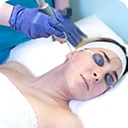


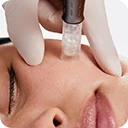
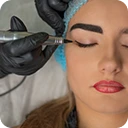




















Preparing for a facial starts before you arrive at your appointment. The products you used last night, a recent eyebrow wax, or a new acne prescription can all affect how your skin responds to treatment.
Good preparation is usually less about adding products and more about giving your provider an accurate picture of your skin. A familiar moisturizer may be helpful. An extra exfoliating session to make your skin “ready” usually is not.
The right instructions also depend on the procedure. A hydrating facial, chemical peel, dermaplaning appointment, and laser hair removal session do not place the same demands on your skin. Here is how to prepare thoughtfully, coordinate treatments, and avoid common sources of irritation.
Start With a Skin and Health Conversation
Your consultation is part of the treatment, not a formality. Even a service that feels routine can require adjustments because of medication use, allergies, or a change in your skin.
Tell your esthetician or treating professional about relevant health conditions, pregnancy, allergies, and medications. Include both prescription and over-the-counter skincare. A product does not have to come from a pharmacy to affect treatment tolerance.
It helps to bring a current product list or photographs of the labels. “I use an acne cream” leaves room for confusion. The product name, active ingredient, strength, and frequency of use are much more useful.
Before your appointment, share:
-
Prescription and over-the-counter products, especially retinoids, acne treatments, and exfoliating acids.
-
Allergies, previous treatment reactions, and any history of unusually sensitive skin.
-
Relevant medical conditions, pregnancy, and medications that may affect healing, bleeding, or light sensitivity.
-
Recent or planned procedures, including waxing, peels, dermaplaning, laser treatments, and injectables.
-
Current symptoms such as peeling, burning, a rash, sunburn, open skin, or an active cold sore.
These details help the provider decide whether to adjust the treatment, request medical guidance, or reschedule. Postponing an appointment can be frustrating, but treating irritated skin may turn a short delay into a longer recovery.
Why Retinol and Other Active Ingredients Matter
Retinol belongs to the retinoid family, which also includes prescription medications such as tretinoin, often known by the brand name Retin-A. Retinoids can be useful for acne and signs of photoaging, but they may also cause dryness, peeling, and sensitivity.
That matters when a procedure adds exfoliation, friction, heat, or hair removal. Skin that already feels tight or irritated may tolerate those stresses poorly.
Exfoliating acids and acne products can create similar concerns, although they do not all work the same way. Glycolic acid, salicylic acid, benzoyl peroxide, and prescription acne treatments need to be considered individually. The ingredient, formulation, frequency of use, and condition of your skin all matter.
Treat timing recommendations as starting points
You may see advice to stop retinol three days before a facial and restart three days afterward. For some gentle services and products, that may be a reasonable instruction from the treating provider. It is not a universal safety rule.
A stronger peel, persistent irritation, or prescription retinoid may call for a different plan. Some procedures may be inappropriate even after a brief pause.
Ask specifically: “Given this product and this treatment, should I pause it, and what signs should I wait for before restarting?”
Do not stop a prescribed treatment independently. Your prescribing clinician and treatment provider should guide any changes. This is particularly important for oral acne medication such as isotretinoin, which requires procedure-specific assessment rather than a short, self-directed break.
Keep the Days Before a Facial Simple
There is little benefit in trying to perfect your skin immediately before a professional treatment. Scrubbing away flakes or testing a new peel can leave your skin less comfortable and harder to assess.
Instead, maintain a gentle routine that your skin already tolerates. For many people, that means a mild cleanser, moisturizer, and broad-spectrum sunscreen with SPF 30 or higher. Follow any different instructions your clinician has given you.
Avoid introducing unfamiliar active ingredients close to the appointment. Even a product marketed as soothing can trigger a reaction, and a last-minute change makes it harder to identify the cause.
Sun exposure deserves attention, too. Arriving with a sunburn can make exfoliating or heat-based treatments unsuitable. Use sunscreen as directed, seek shade, and avoid intentional tanning. For laser procedures, tell the provider about recent tanning or self-tanner use because these may affect scheduling and treatment safety.
If your skin starts stinging when you apply your usual moisturizer, contact the provider before the appointment. That is useful information, not something to hide with makeup.
Separate Facials and Facial Waxing
Eyebrow, upper-lip, and chin waxing can seem easy to combine with a facial. The concern is that waxing can remove superficial skin cells along with hair. Adding exfoliation soon before or afterward may increase irritation.
A commonly suggested precaution is to avoid facial waxing for at least three days before and after a facial. Think of that as a scheduling prompt, not a guarantee that every combination is safe after 72 hours.
A gentle, nonexfoliating facial is different from a chemical peel or dermaplaning. Your skin may need a longer interval after an intensive treatment, especially if it remains red, tender, or flaky.
Retinoid use makes the conversation more important. Waxing skin affected by retinoid-related irritation can lead to skin lifting or other injury. A short pause does not automatically remove that risk.
If you want both services, tell the provider before booking. Ask which should come first, how far apart they should be, and whether another hair removal method would be more appropriate.
Prepare for the Specific Hair Removal Method
“Hair removal” covers procedures with different preparation requirements. Instructions for waxing should not be carried over automatically to laser hair removal, threading, or depilatory creams.
Waxing and other surface hair removal
Before waxing, disclose all acne treatments and retinoids, including products used only occasionally. Also mention products applied to the treatment area for pigmentation, texture, or ingrown hairs.
Some general instructions recommend pausing certain products for one week before and after hair removal. That interval is not appropriate for every ingredient, medication, or method. Confirm exactly which products the instruction covers and whether your prescriber needs to be involved.
Never wax over broken, sunburned, infected, or visibly irritated skin. If you have recently had a peel or another resurfacing treatment, obtain clearance rather than assuming the skin is ready because it looks better.
Laser hair removal
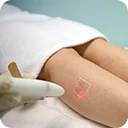
Laser hair removal requires its own preparation plan. Because treatment targets pigment in the hair, providers generally ask patients to avoid waxing, plucking, or other methods that remove hair from the root for a specified period beforehand.
Shaving is often permitted or requested, but follow the clinic’s timing and technique instructions. Do not substitute a depilatory cream without asking, since it may irritate the treatment area.
Report recent sun exposure, tanning, medication changes, and any skin reaction. Ask whether a test spot is appropriate, particularly if you have a history of pigment changes or previous laser reactions. No single checklist replaces an assessment of your skin, hair, and the device being used.
Ask Before Taking a Pain Reliever
It is understandable to want a more comfortable appointment. Still, taking an over-the-counter pain reliever beforehand should not be an automatic step.
Some preparation advice suggests taking one about 30 minutes before hair removal. Whether that makes sense depends on the medicine, the procedure, your health history, and other medications you take. Certain pain relievers can increase bruising or bleeding risk, while others may be unsuitable because of specific health conditions.
Ask the provider whether medication is recommended at all. If you are unsure about safety or interactions, check with a pharmacist or clinician and follow the product directions.
Do not take extra doses to make a treatment more tolerable. Likewise, do not apply a topical numbing product unless the treating professional has approved the product, amount, treatment area, and timing. Numbing creams can cause harm when used incorrectly.
Coordinate Treatments Across Providers
One easily missed preparation step is telling each provider what someone else is doing.
You might see one professional for acne, another for facials, and another for laser hair removal. Each may give sensible advice within their own appointment, yet the combined schedule can still be too much for your skin.
For example, imagine booking dermaplaning shortly after an eyebrow wax while continuing a retinoid. Each choice may feel routine, but together they increase the chance of irritation. Sharing the full schedule gives the provider an opportunity to change the plan.
The same principle applies to body treatments. A body peel, hair removal session, and body contouring procedure may involve different technologies and precautions. Tell the provider about treatments affecting the same area, even if the services have different names.
Keep a simple record of treatment dates, products paused, reactions, and restart instructions. This is especially helpful if you are working toward longer-term skin rejuvenation goals and appointments overlap.
Know When to Call Before You Arrive
You do not need to diagnose a skin problem yourself. You do need to report changes that could affect treatment.
Contact the provider if you develop a rash, significant peeling, persistent burning, open skin, or a suspected infection. Mention an active cold sore or a history of cold sores when procedures will involve the face, especially around the mouth. Some treatments may require medical precautions.
A medication change is another reason to check in. Do not assume a product is irrelevant because it is taken by mouth rather than applied to the skin.
On appointment day, follow the provider’s instructions about cleansing, makeup, deodorant, lotions, and other products on the treatment area. Wear clothing that allows comfortable access if you are having a body treatment.
Be honest if you forgot an instruction. A provider can respond to accurate information. They cannot account for a retinol application or recent wax they do not know about.
Plan the Restart Before the Treatment Ends
Preparation should include knowing what happens afterward. Before you leave, ask when you can resume your usual skincare and what symptoms should delay restarting active ingredients.
A calendar alone is not enough. Even if the suggested pause has ended, skin that remains tender, raw, or unusually sensitive may need more time and professional advice.
Ask for written aftercare instructions specific to the procedure. Clarify which cleanser, moisturizer, and sunscreen are appropriate, and when to contact the provider about a reaction. Severe or worsening pain, blistering, spreading redness, or signs of infection warrant prompt assessment.
The most useful preparation is straightforward: share your products and health history, avoid unnecessary irritation, and get instructions for the exact treatment you are having. A three-day or one-week pause can be part of that plan, but it should never replace an individualized decision. Your skin does not follow an appointment calendar, and good treatment planning leaves room for that.