























HydraFacial is one of those treatments people often search for by name. That matters. Someone looking up “HydraFacial Vancouver” has usually moved past the vague idea of wanting better skin. They may be comparing clinics, checking prices, wondering whether an LED session is worth the extra cost, or trying to fit an appointment into a busy week.
That makes the decision more practical than glamorous. A good HydraFacial experience should begin with clear information, realistic expectations, and a provider who pays attention to your skin rather than treating every appointment the same way.
This guide explains what happens during a HydraFacial, what affects the price in Vancouver, which add-ons may be useful, and how to choose a beauty clinic that feels like a sensible fit.
What Is a HydraFacial?
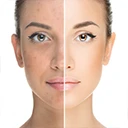
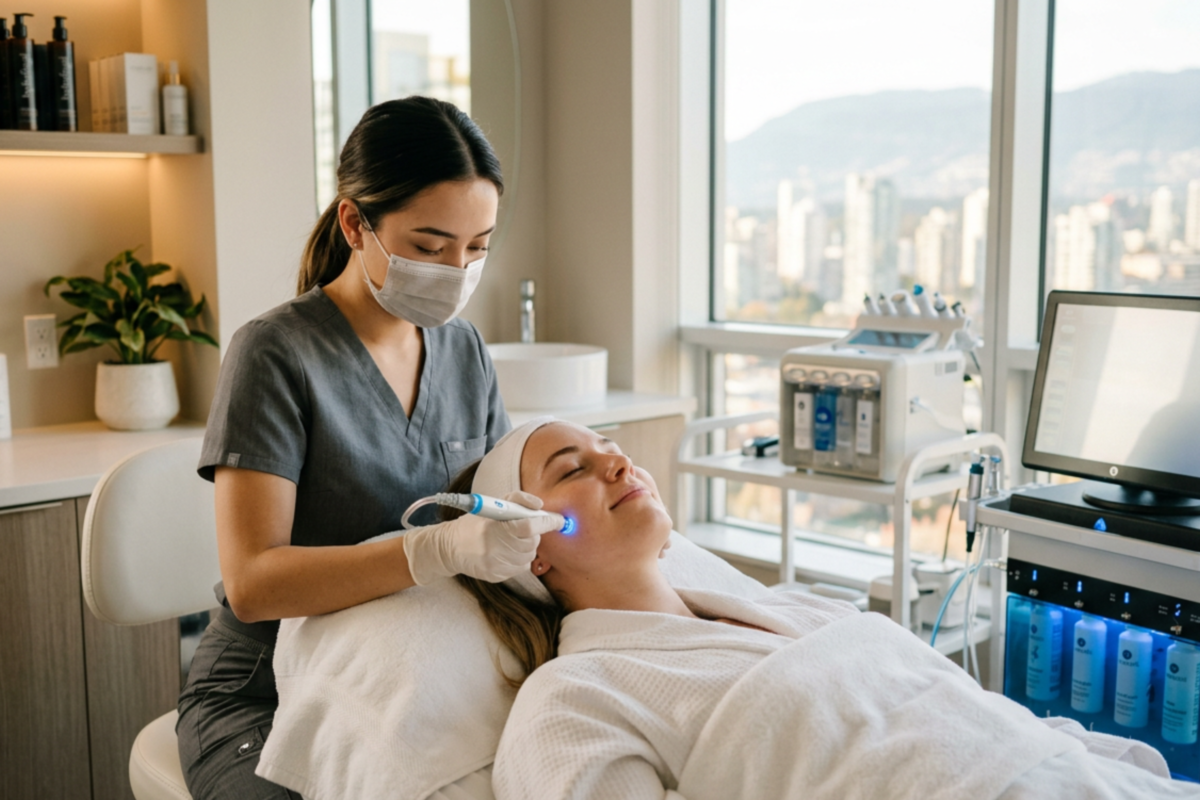
HydraFacial is a branded facial treatment that uses a handheld device and vortex-style suction to cleanse the skin, exfoliate the surface, clear congested pores, and deliver hydrating topical solutions. The treatment is often marketed as a quick way to get smoother, more hydrated-looking skin with little downtime.
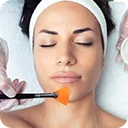
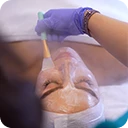
A standard appointment usually includes several stages:
-
Cleansing and exfoliation to remove surface debris and dull skin cells.
-
A light chemical peel solution, often using acids that help loosen buildup.
-
Extraction with suction, intended to clear oil, debris, and blackheads from pores.
-
Hydration with serums selected for concerns such as dryness, uneven tone, or congestion.
-
Sun protection and post-treatment guidance before you leave.
The details vary by clinic and treatment package. Some providers include a neck and décolletage treatment. Others focus only on the face. Some use boosters, masks, or light therapy as part of a longer appointment.
The name can make it sound like every HydraFacial is identical. It is not. The device protocol may be similar, but the quality of the consultation, skin assessment, products, hygiene practices, and aftercare advice can change the experience considerably.
Why People Book HydraFacial Treatments
Many people choose HydraFacial because it sits in a comfortable middle ground. It is more intensive than a basic facial but generally gentler than treatments designed to create significant peeling or resurfacing.
It can be appealing before a wedding, professional event, vacation, or photo session because the skin often looks refreshed shortly afterward. Still, booking it immediately before an important occasion can be a gamble if you have reactive skin or are trying a new provider. A few days of breathing room is the safer choice.
Common reasons people seek the treatment include:
-
Dull or rough-looking skin
-
Dehydration and tightness
-
Congested pores, blackheads, and oiliness
-
Makeup that no longer sits smoothly
-
Mild uneven texture
-
A desire for regular skin rejuvenation without substantial recovery time
There is a limit to what any facial can do. HydraFacial does not erase deep acne scars, permanently shrink pores, remove severe pigmentation, or replace medical treatment for active inflammatory acne, rosacea, eczema, or a skin infection. Those claims should make you skeptical.
For deeper concerns, a qualified practitioner may discuss other options, such as prescription skin care, chemical peels, microneedling, or laser-based procedures. The best treatment plan is sometimes a HydraFacial. Sometimes it is a referral. Honest advice is a good sign.
What Does a HydraFacial Cost in Vancouver?
HydraFacial pricing in Vancouver often varies based on appointment length, the level of treatment, the provider’s experience, and whether extras are included. A basic facial-focused session may cost roughly CAD $200 to $300, while longer or more customized appointments with boosters and add-ons may reach CAD $300 to $500 or more.
Price alone does not tell you whether a treatment is a good value. A lower advertised rate may cover only the core steps, with fees added for a booster, LED light therapy, lymphatic drainage, dermaplaning, or a neck treatment. A higher rate may include several of those elements already.
Before booking, ask for the all-in price, including applicable taxes. Then ask exactly what is included.
A clear answer might sound like this: “The 45-minute treatment includes cleanse, peel, extraction, hydration, and SPF. LED is an additional fee, and a booster is optional.” That is easy to evaluate.
A vague answer that relies on phrases like “customized experience” without naming the actual components is less useful. Customization is valuable, but you should know what you are paying for.
What Changes the Final Price?
Several factors shape HydraFacial costs in Vancouver:
-
The treatment tier or appointment length
-
Whether the clinic uses the official HydraFacial platform and products
-
The inclusion of targeted boosters
-
LED light therapy, dermaplaning, masks, or oxygen treatments
-
Whether the face, neck, chest, back, hands, or body are treated
-
The practitioner’s training and the level of consultation provided
-
Membership pricing or prepaid treatment packages
Packages can make sense for people who already know their skin responds well and want regular appointments. They are less appealing when you have never tried the treatment, are managing a skin flare-up, or feel pressured to commit before you understand the plan.
Start with one appointment if you are unsure. Your skin gets a vote.
Add-Ons: Useful, Optional, and Sometimes Overhyped
Many Vancouver clinics pair HydraFacial with add-ons. Some can suit specific goals. Others are best treated as optional extras rather than necessities.
LED Light Therapy
LED light therapy uses different wavelengths of visible light. Red light is commonly used in cosmetic settings for a calming, skin-supportive treatment, while blue light is often used for acne-prone skin because of its potential effect on acne-related bacteria.
The evidence for LED is promising in certain uses, but results tend to be gradual and depend on repeated treatments. One short add-on session is unlikely to transform persistent acne or signs of aging. It may still be a pleasant and reasonable choice if your provider explains why it suits your skin.
People taking photosensitizing medications or managing certain medical conditions should discuss light-based treatments before proceeding.
Dermaplaning
Dermaplaning involves gently scraping the skin’s surface with a sterile blade to remove fine facial hair and dead skin cells. It can make the skin feel smooth and may help makeup apply more evenly.
It is not ideal for everyone. If you have active acne, inflamed skin, open lesions, or a compromised skin barrier, dermaplaning can cause irritation. It also does not make hair grow back darker or thicker, despite the old myth. Hair can feel blunt as it grows in, which is different.
When paired with HydraFacial, dermaplaning may provide a very polished short-term result. That does not mean it needs to be part of every visit.
Oxygen Treatments
Oxygen add-ons are often positioned as a finishing touch for a hydrated, temporarily plumper appearance. They can feel relaxing, especially before an event, but the bigger claims around oxygen infusion deserve caution. Your skin receives oxygen through blood circulation, not because oxygen is sprayed across its surface.
If you like the sensory experience and the cost feels reasonable, fine. Just do not expect an oxygen add-on to solve chronic skin concerns.
Boosters and Targeted Serums
Boosters are concentrated topical formulas added during the hydration phase. They may be selected for dryness, discoloration, fine lines, acne-prone skin, or dullness.
A booster should be recommended based on your stated goals and skin history. If someone cannot explain what it is intended to do, what active ingredients it contains, and whether it is appropriate for your sensitivity level, skip it.
More products are not automatically better. Overloading reactive skin is an expensive way to end up uncomfortable.
Choosing a Location That Works for Your Routine
Convenience is not a shallow factor. It affects whether you show up on time, whether you can avoid rushing after treatment, and whether you can keep up with appointments if you decide a series is worthwhile.
In Vancouver, many people look for a clinic near a SkyTrain station, frequent bus route, workplace, or neighborhood they already visit. A transit-friendly location can be especially useful if you prefer not to drive after a longer treatment, though most HydraFacials do not require downtime.
Think about the practical details:
-
Is the clinic easy to reach from your home or office?
-
Is there parking nearby, and what does it cost?
-
Does the appointment time allow you to avoid applying makeup immediately afterward?
-
Can you get home without standing in heavy rain, sweating through a long walk, or rushing into a workout class?
-
Are evening and weekend appointments actually available, or only listed in theory?
These questions may sound ordinary. They are. Ordinary details often decide whether a wellness routine becomes sustainable or quietly disappears after one ambitious booking.
Questions to Ask Before You Book
A professional provider should welcome basic questions. You do not need to become an expert in facial devices before scheduling. You do need enough information to give informed consent.
Ask these questions during booking or at your consultation:
-
Is this an official HydraFacial treatment, and what does the quoted price include?
-
Who will perform the treatment, and what training do they have?
-
Which steps are planned for my skin concerns?
-
Are any boosters, LED sessions, or other add-ons recommended? Why?
-
Is there anything in my skin history or medication list that means I should postpone treatment?
-
What should I avoid before and after the appointment?
-
What kind of redness, dryness, or breakouts are normal, and when should I contact the clinic?
-
Can I wear makeup afterward, or should I leave my skin bare for the day?
If you have had allergic reactions, cold sores, recent cosmetic injections, a sunburn, active acne lesions, or a history of rosacea flare-ups, say so. Also mention retinoids, prescription acne treatments, exfoliating acids, and any medication that affects skin sensitivity. This is relevant medical information, not an inconvenience.
Preparing for Your Appointment
A HydraFacial typically requires less preparation than more aggressive resurfacing treatments, but a little restraint helps.
For several days before your appointment, avoid trying a new active skin care product, picking at blemishes, or using harsh physical scrubs. If you use prescription retinoids, strong exfoliating acids, or acne medications, ask the provider whether you should pause them temporarily. Do not stop prescribed medication without guidance from the clinician who prescribed it.
Avoid arriving with a fresh sunburn. Skin that is already irritated does not need another procedure, even a gentle one.
On the day, come with clean skin if possible. If you are wearing makeup, the provider will remove it, but arriving bare-faced gives them a clearer view of your skin condition.
Aftercare: Keep It Boring
The best post-facial routine is usually simple. Resist the urge to test a new serum because your skin looks especially smooth.
For the rest of the day, use gentle cleanser if needed, moisturizer, and broad-spectrum sunscreen. Skip scrubs, exfoliating acids, retinoids, and strong acne treatments for the period recommended by your provider. Avoid excessive heat, including steam rooms and very hot showers, if your skin feels warm or flushed.
A small amount of temporary redness can happen, particularly after extraction. Mild dryness or sensitivity is also possible. Severe swelling, persistent burning, hives, or worsening irritation are not something to push through. Contact the clinic and seek medical guidance if symptoms are significant.
How Often Should You Get a HydraFacial?
There is no single schedule that suits everyone. Some people book before special occasions. Others choose monthly appointments as part of a broader skin care routine. Monthly visits are commonly recommended because they roughly match the skin’s renewal cycle, but that does not mean monthly treatment is mandatory.
Your budget, skin needs, home routine, and response to treatment matter more than a preset calendar.
If your goal is clearer pores or more consistent hydration, regular sessions may help alongside appropriate daily skin care. If you are dealing with stubborn pigmentation, deep scarring, or recurring painful acne, a facial alone may not be the most effective use of your time or money.
A thoughtful beauty clinic will explain the difference.
The Bottom Line
HydraFacial can be a useful option for people who want a polished, hydrated look and a thorough cleanse without major downtime. In Vancouver, the choices can feel overwhelming because packages often bundle different extras, prices vary widely, and every provider describes the treatment a little differently.
Focus on the basics. Look for transparent pricing, a convenient location, trained staff, clean practices, and a consultation that treats your skin as individual. Consider add-ons when they have a clear purpose, not because they appear on a menu.
Good skin care is rarely about finding the most elaborate appointment. It is about choosing treatments that make sense for your skin, your schedule, and your actual goals.