


























How Chiropractic Care Can Help Relieve Back Pain
March 31, 2026
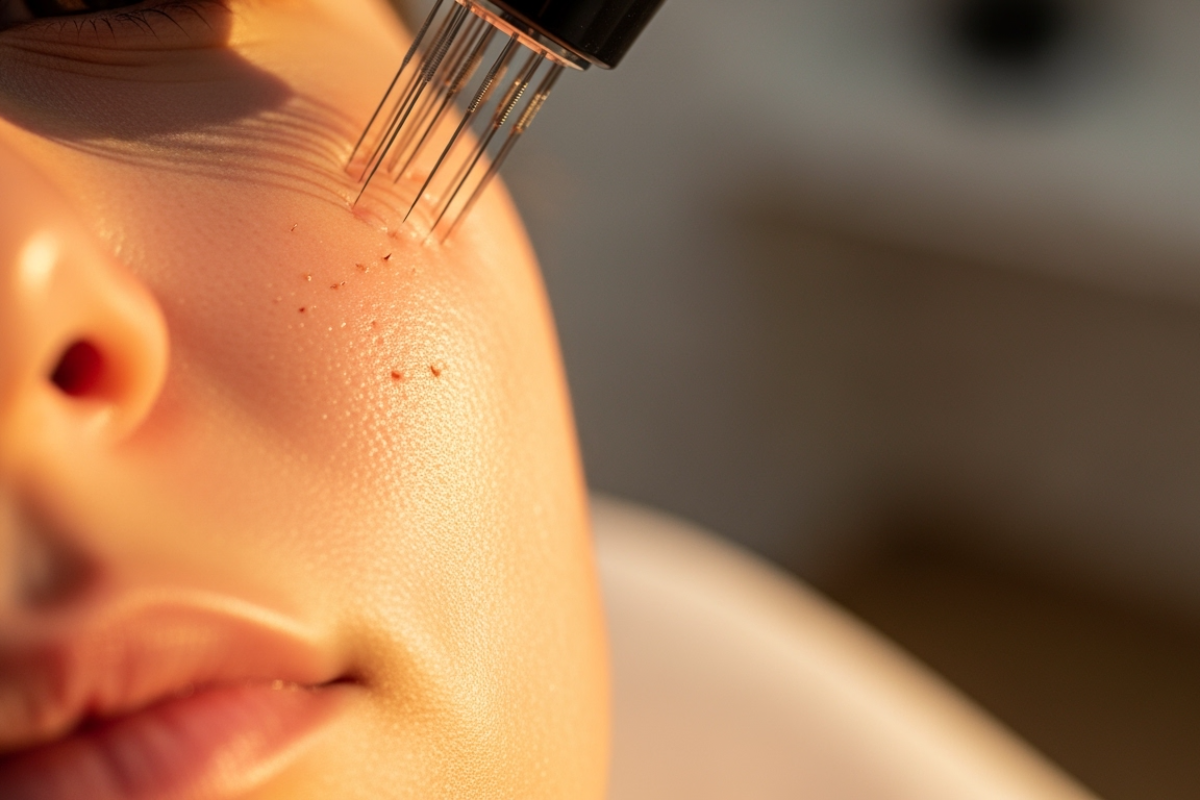
If you are thinking about microneedling, the first question is usually the practical one: how many sessions will it take before I actually see a difference?
The honest answer is a little annoying, because it depends. Skin concern, treatment depth, age, healing response, lifestyle, and the version of microneedling you choose all matter. Still, there are solid general guidelines, and those guidelines are useful.
For most people, microneedling works best as a series, not a one-and-done treatment. A common plan is 3 to 6 sessions spaced 4 to 6 weeks apart, followed by maintenance every 6 to 12 months. Some concerns respond faster. Others need patience.
Here’s the short version before we get into the details.
Quick answer: the usual number of microneedling sessions
These are common starting ranges:
Skin concernTypical number of sessionsTimingGeneral skin rejuvenation3–4Every 4–6 weeksFine lines and mild texture3–4Every 4–6 weeksAcne scars4–6Every 4–6 weeksDeep wrinkles4–6Every 4–6 weeksMelasma or pigmentation3–6Every 4–6 weeksStretch marks4–8Every 4–6 weeksSmokers’ lines3–5Every 4–6 weeksPost-inflammatory erythema (PIE)2–4Every 4–6 weeksRF microneedling3–4Every 4–6 weeksPRP microneedling3–6Every 4–6 weeks
That table is a guide, not a promise. Some people notice a glow after one session. That part is real. But if your goal is scar softening, wrinkle improvement, or visible collagen remodeling, one session usually is not enough.
Why microneedling usually takes more than one session
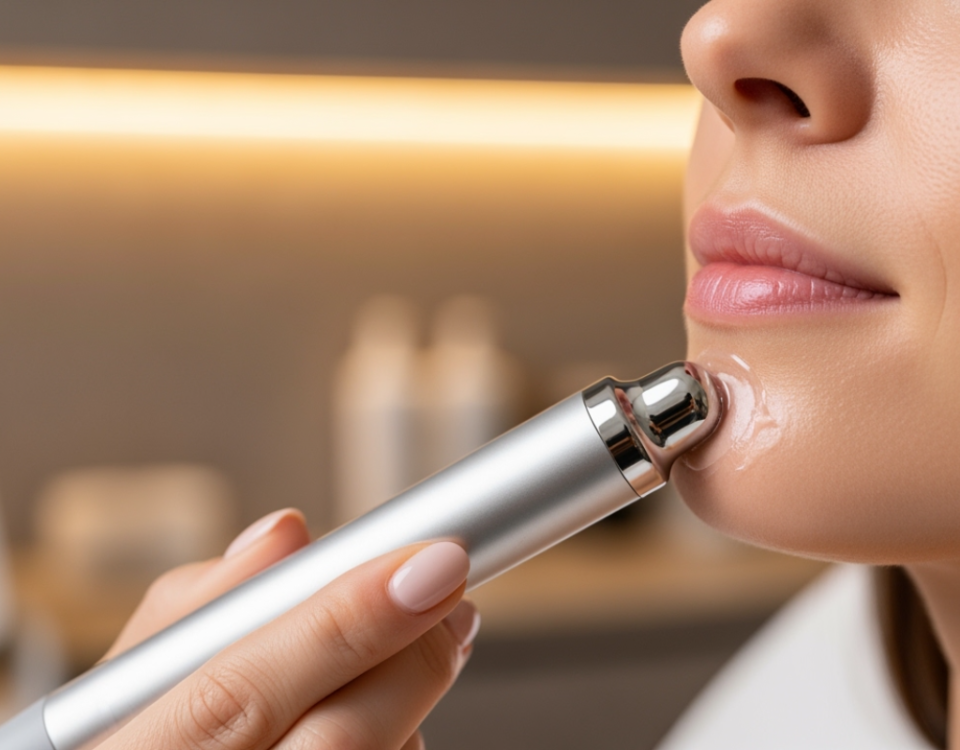
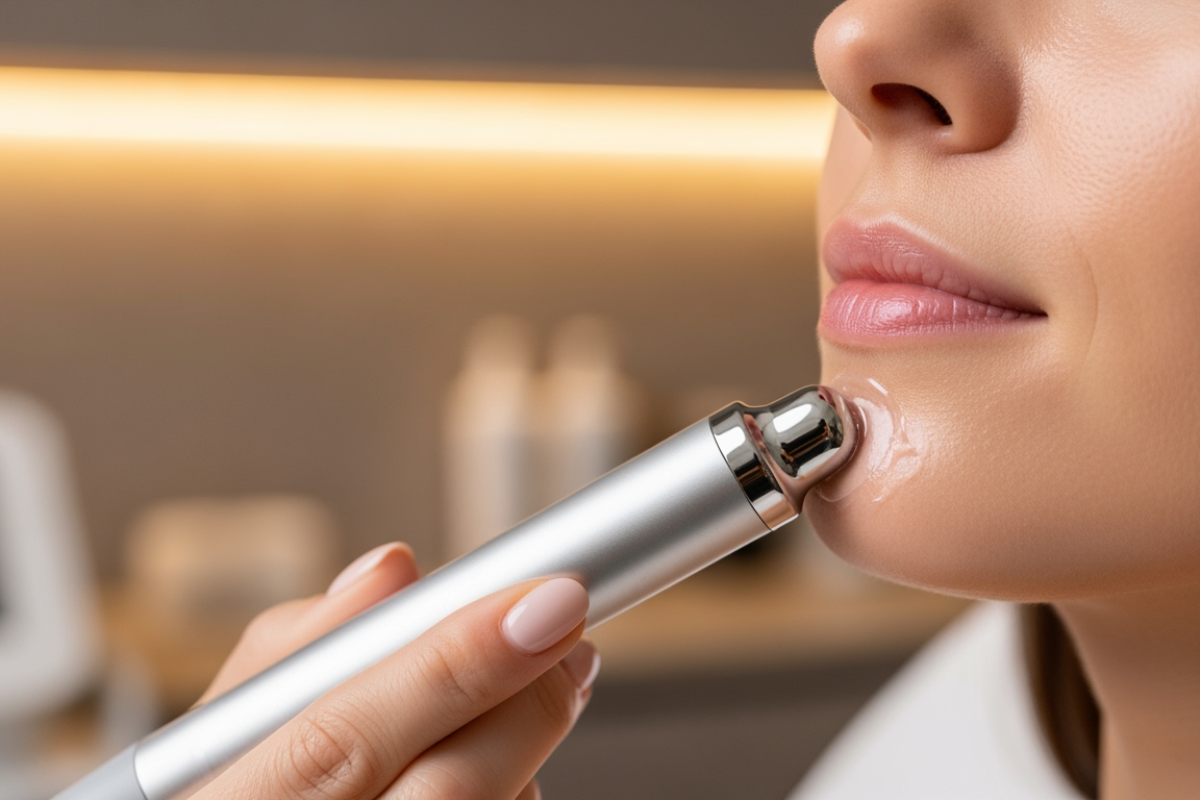
Microneedling works by creating tiny controlled injuries in the skin. That sounds harsher than it is, but the idea matters. Those micro-injuries trigger the skin’s repair process, which includes new collagen production and tissue remodeling.
And that process is not instant.
Skin needs time to move through inflammation, healing, and collagen formation. This is why treatment plans are spaced out. You are not just “stacking appointments.” You are giving the skin time to do the work in between them.
A lot of people expect dramatic change after the first session. Sometimes they get a temporary glow and think, great, done. Then a week later they wonder if that was all. Usually it isn’t. The deeper improvements come later and build gradually.
That slow build is normal.
The 4 to 6 week rule matters more than people think
The gap between sessions is not random. Four to six weeks is the standard range because it gives your skin enough time to calm down and remodel.
Here’s what that spacing allows:
-
inflammation to settle
-
the skin barrier to recover
-
collagen production to start
-
deeper tissue remodeling to continue
Trying to do treatments too close together can backfire. Weekly microneedling or even every three weeks is generally not a good idea for most people, especially with medical-depth treatments. Skin that is still inflamed or not fully healed does not respond better just because it is being treated more often. In some cases, you end up with more irritation and less progress.
This is one of those situations where patience is not just nice, it is part of the treatment.
How many sessions do you need for your specific concern?
This is where the answer becomes more personal.
For general rejuvenation: 3 to 4 sessions
If your goal is brighter skin, smoother texture, a little more bounce, and softer fine lines, 3 to 4 sessions is a common starting plan.
This is the group that tends to feel happy the fastest. The changes are usually subtle at first, then more obvious by the second or third session. Skin often looks fresher, pores may look less noticeable, and makeup tends to sit better.
If you are treating healthy skin and your main goal is prevention or upkeep, this range is often enough.
For fine lines: 3 to 4 sessions
Fine lines usually respond better than deep folds. That’s good news. Most people with early signs of aging do well with 3 to 4 sessions, then maintenance once or twice a year.
You may notice improved texture before you notice wrinkle change. That’s normal too. Skin can feel smoother before it looks dramatically tighter.
For acne scars: 4 to 6 sessions
Acne scars are more stubborn. Most people need 4 to 6 sessions, and sometimes more depending on scar type and depth.
Rolling scars, shallow boxcar scars, and textural unevenness often improve with a standard microneedling series. Deep or tethered scars can need a more advanced plan, sometimes including RF microneedling because it reaches deeper tissue and can do more remodeling.
This is also the category where expectations need to stay realistic. Microneedling can improve scars, sometimes a lot, but it does not erase them in the way filters pretend skin should look.
For deep wrinkles: 4 to 6 sessions
Deep wrinkles usually need 4 to 6 sessions, especially around the mouth, forehead, and lower face.
If skin laxity is part of the problem, regular microneedling may help, but RF microneedling often gives stronger results because it adds heat energy to the collagen remodeling process. That extra step can make a real difference for people dealing with deeper lines or mild skin looseness.
For melasma and pigmentation: 3 to 6 sessions
Pigmentation is tricky. 3 to 6 sessions may help, but this is not a category where you should rely on microneedling alone.
Melasma and other pigment issues need pigment control alongside treatment. That usually means careful sun protection, targeted skincare, and avoiding things that trigger rebound pigment. Without that, you can do a series of treatments and still feel like your skin keeps circling back to the same issue.
This is one reason pigmentation treatment can feel frustrating. It often is not about one procedure. It is about the whole plan.
For stretch marks: 4 to 8 sessions
Stretch marks typically need 4 to 8 sessions, sometimes more, depending on where they are and how old or severe they are.
Body skin is different from facial skin. It may respond more slowly, and larger treatment areas often need more time and more sessions. Fresh stretch marks can respond differently than older white stretch marks, and expectations should stay measured.
Improvement usually shows up as softer texture and a better blend with surrounding skin, rather than complete disappearance.
For smokers’ lines: 3 to 5 sessions
The vertical lines around the mouth, often called smokers’ lines, can respond well to 3 to 5 sessions. These lines can be stubborn because the skin in this area moves constantly and is thin to begin with.
This is one place where PRP microneedling may be especially helpful. PRP can support healing and collagen activity, which may improve both recovery and final results.
For PIE or post-acne redness: 2 to 4 sessions
Post-inflammatory erythema, the pink or red marks left after acne, may improve in 2 to 4 sessions, though results vary a lot.
Why the variation? Because redness can have a vascular component. If those tiny blood vessels are a major part of the picture, microneedling may help somewhat, but it is not always the most direct tool. This is one of those cases where a proper assessment matters.
When will you actually see results?
People want timelines, and fair enough. Here’s the general pattern.
In 1 to 2 weeks
You may see:
-
brighter skin
-
a healthier glow
-
smoother surface texture
-
mild pore refinement
This early improvement is often what makes people excited about microneedling. Skin can look more refreshed fairly quickly.
In 3 to 4 weeks
You may notice:
-
improved texture
-
softening of fine lines
-
more even tone
-
less roughness
This is usually when the first treatment starts to feel more “real” and less like a temporary post-facial effect.
In 8 to 12 weeks
This is when collagen-related changes become more visible. You may start seeing:
-
better firmness
-
more obvious scar softening
-
improved elasticity
-
a smoother overall look
In 3 to 6 months
This is often when the full result of a treatment series becomes clearer. Most people notice meaningful improvement after 2 or 3 sessions, but concerns like acne scars, deep wrinkles, stretch marks, and melasma usually keep improving over a longer timeline.
So if you are judging the whole treatment after a single week, you are probably judging too early.
Traditional microneedling vs RF microneedling vs PRP microneedling
These options get lumped together, but they are not identical.
Traditional microneedling
This is the standard version. It is often a good fit for:
-
texture concerns
-
dull skin
-
fine lines
-
mild scarring
-
general rejuvenation
Typical plan: 3 to 4 sessions
It works well for a lot of people, especially if the concern is not too deep.
RF microneedling
RF microneedling combines needles with radiofrequency energy, which adds heat to deeper tissue. That can produce stronger collagen remodeling and tightening.
It is often chosen for:
-
deeper acne scars
-
deeper wrinkles
-
mild skin laxity
-
lower-face tightening
-
jawline definition concerns
Typical plan: 3 to 4 sessions
Because it goes deeper and does more, some people need fewer sessions than they would with standard microneedling alone.
PRP microneedling
PRP microneedling uses platelet-rich plasma from your own blood as part of the treatment. The goal is to support healing and collagen activity.
It is often helpful for:
-
fine lines
-
dull or dehydrated skin
-
smokers’ lines
-
people who want a faster-looking recovery
-
those wanting a little extra boost from the same session
Typical plan: 3 to 6 sessions
I think PRP makes the most sense when healing support matters or when someone wants to push a standard treatment a bit further without changing the whole approach.
What happens during a microneedling session?
If you have never had it done, the process is usually pretty straightforward.
A typical session includes:
-
Consultation and assessment
Your skin is examined, your goals are discussed, and treatment depth is planned based on the area and concern. -
Cleansing and numbing
The skin is cleaned, and a topical numbing cream is usually applied for comfort. -
Microneedling treatment
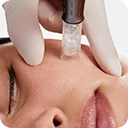
A controlled device creates tiny channels in the skin to trigger the repair response. -
Targeted products or add-ons
Depending on the plan, this may include PRP, medical-grade serums, peptides, growth factors, or LED therapy. -
Aftercare instructions
You’ll be told how to care for your skin over the next few days.
The session itself often takes about 45 to 60 minutes, and many people return to normal activities within 24 hours, though some redness and sensitivity are common.
What affects the number of sessions you’ll need?
Two people can have the same treatment and end up needing different plans. That’s normal.
Here are the biggest reasons why.
Your starting point
Mild texture issues are not the same as deep acne scarring. A little creasing around the eyes is not the same as established wrinkles around the mouth. The deeper or older the concern, the more sessions you usually need.
Age and healing response
Younger skin often responds faster. Mature skin can still respond well, but it may take more treatments and more time.
Lifestyle habits
Smoking, heavy sun exposure, poor sleep, and inconsistent skincare can slow progress. That sounds boring, I know, but it matters. Skin heals with the life you give it.
At-home skincare
Using hydrating products, following post-care properly, reintroducing retinoids at the right time, and wearing sunscreen every day can make the series work better. Ignoring aftercare can make a good treatment look average.
Treatment add-ons
PRP, peptides, growth factors, and LED light therapy can support recovery and improve results. In some cases, they can help reduce the number of sessions needed to reach your goal.
Treatment depth and technique
More aggressive treatment is not always better, but the planned depth does affect outcomes. Deeper concerns usually need deeper or more advanced treatment, and that choice changes the timeline.
A typical microneedling treatment plan
For many people, a practical plan looks like this:
-
Initial series: 3 to 6 sessions
-
Spacing: every 4 to 6 weeks
-
Maintenance: 1 session every 6 to 12 months
Some people benefit from combination treatment along the way. That might include PRP, RF microneedling, chemical peels, or targeted skincare. When the plan is well matched to the concern, combination treatment can improve results and sometimes shorten the total number of sessions needed.
Maintenance: do you need it?
Usually, yes, if you want to keep the results going.
Microneedling is not permanent because skin keeps aging, sun keeps happening, and life keeps life-ing. Maintenance is how you preserve the progress you made.
A common schedule is every 6 to 12 months, though some people come in sooner if they are treating ongoing concerns or using more advanced protocols.
The bottom line
If you want a simple answer, here it is: most people need 3 to 6 microneedling sessions, spaced 4 to 6 weeks apart.
For mild rejuvenation and fine lines, 3 to 4 sessions is often enough to see clear improvement. For acne scars, deep wrinkles, pigmentation, and stretch marks, expect a longer series. RF microneedling may reduce session count for deeper concerns, and PRP microneedling can improve healing and outcomes for the right person.
The mistake I see people make most often, at least conceptually, is treating microneedling like a quick fix. It works better when you think of it as a process. The glow may come fast. The real remodeling takes longer.
And honestly, that’s probably the most useful expectation to keep going in.