






















A wedding invitation arrives. A reunion goes on the calendar. You book a vacation, then start thinking about the photos. If you are considering a skin or body treatment before a specific date, timing matters as much as the treatment itself.
The question is not simply, “How soon can I get an appointment?” It is, “When will I see a result, and how much time will my body need afterward?” Some treatments give skin a temporarily refreshed look within days. Others work gradually, require a series of visits, or leave redness that you would rather not have in event photos.
There is no universal countdown. Your skin, treatment history, and the event itself all affect the plan. Still, a few practical timelines can help you decide what to ask for and, sometimes, what to skip.
Start with the result you want on the event date
“Looking better” can mean different things. You might want smoother makeup application, fewer visible hairs, a more even-looking complexion, or a change in body shape. Those goals do not happen on the same schedule.
It helps to separate two clocks:
-
Recovery time is how long redness, swelling, peeling, tenderness, or bruising may remain visible.
-
Result time is how long it takes to see the change you wanted.
The clocks do not always match. Skin can look calm a few days after a procedure while the full result takes weeks. A treatment may create an immediate sense of smoothness, followed by several days of dryness. That is why “no downtime” does not necessarily mean “ideal the day before an event.”
Be specific about your plans when you consult a qualified provider. A video call, a black-tie reception, and a beach vacation put different demands on your skin. So does a close-up photo session under bright lighting. Tell the provider the date you need to feel ready, not just the date of the event. If you are traveling two days beforehand, your practical deadline is earlier.
If your event is several months away
This is the most flexible window. It gives you room to discuss treatments that work through a series of appointments or have less predictable recovery.
Laser hair removal needs a series, not a single deadline
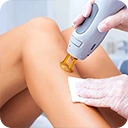
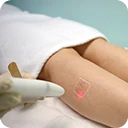
Laser hair removal targets hair follicles during particular phases of the growth cycle. Because hairs are not all in the same phase at once, people generally need multiple sessions spaced weeks apart. The number and spacing depend on the area, hair characteristics, skin type, device, and treatment plan.
If you want less shaving before a wedding or vacation, ask about laser hair removal months ahead. A single appointment shortly before departure is unlikely to give you the reduction you had in mind. Treated hairs often shed gradually after a session, and the skin may be temporarily red or sensitive.
Sun exposure is an important part of the scheduling conversation. Tanning, including self-tanner in the treatment area, can complicate treatment or require an appointment to be postponed. Follow your provider’s preparation and sun-protection instructions rather than trying to fit a session around days at the pool.
Laser settings and suitability also vary with skin tone. A provider should assess your skin and hair and explain the approach they recommend. If you have experienced dark marks after irritation or treatments, mention that history.
Skin rejuvenation may take time to build
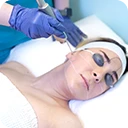
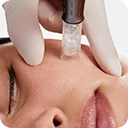
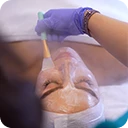
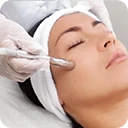
“Skin rejuvenation” covers many approaches, so the label alone cannot tell you when to book. A gentle treatment for surface texture has a different recovery period from a deeper peel or an energy-based procedure intended to improve longer-term concerns.
If your goal is to address uneven tone, acne marks, or texture, an early consultation gives you time to learn what is realistic. Some treatments are done in a series. Others may involve days of visible redness or peeling, followed by results that develop over weeks or months. The provider can help you distinguish between a treatment that may give a short-term glow and one intended to change a persistent concern.
Start early if you have never had the proposed procedure before. Your own reaction is more useful for planning than a friend’s account of how quickly their skin settled.
Body contouring is rarely a last-minute fix
Noninvasive body contouring treatments vary widely in how they work and what they can achieve. Depending on the method, a plan may involve multiple visits, gradual changes, or both. They are not substitutes for weight-loss care, and they cannot guarantee a particular clothing size by a particular date.
If you are thinking about body contouring before an event, bring the outfit you have in mind into the discussion, at least as a description. Are you concerned about how a dress fits at the waist, or are you hoping for a broader change in shape? Those are different expectations. You will also want to know when results usually become noticeable and whether temporary tenderness, swelling, or other side effects could affect comfort.
Do not schedule your final fitting around a hoped-for result. Tailoring is more predictable.
If your event is four to eight weeks away
You still have choices, but this is the point to favor treatments with a clear recovery plan and results that fit your deadline. It is also time to be honest about your calendar. A free afternoon for an appointment is not the same as a week free of public-facing commitments.
For a first-time skin treatment, ask what your face may look and feel like on day one, day three, and the following week. Could you wear makeup? Would you need to avoid heat, strenuous exercise, or certain skincare products? What happens if you develop more redness than expected?
If you are considering an injectable treatment, discuss it with an appropriately licensed clinician well ahead of the event. Bruising, swelling, and the time needed to assess the result can make a last-minute appointment stressful. The appropriate lead time depends on the product, treatment area, medical history, and clinician’s advice. Leave room for a follow-up rather than assuming you will love the result immediately.
This is also a good window to simplify your home routine. More products do not mean faster progress. Starting several new active ingredients at once can leave you unsure which one caused irritation. If you use prescription skincare, do not change it solely for an event without guidance from your prescribing clinician.
If your event is one to three weeks away
At this point, predictability is worth a lot. If you have had a gentle facial treatment before and know how your skin responds, you may be able to schedule it with enough time for any short-lived redness to settle. A first-time peel or laser procedure is a different bet.
Ask a direct question: “If I have more redness or peeling than average, will I still feel comfortable at my event?” If the answer is uncertain, a less intensive option may be the better choice.
For people prone to breakouts, this window can be especially tempting. An aggressive treatment may sound like a way to clear everything quickly, but irritated skin can be harder to cover than an ordinary blemish. Your provider can suggest a plan based on the type of breakout and your skin history. Avoid picking at spots, even when a camera date is looming.
If you already have a treatment series underway, follow the schedule your provider recommends rather than adding an extra session to speed things up. More treatment is not automatically better treatment.
If your event is this week
Keep the plan familiar and gentle. This is usually a poor time to try a strong peel, a new laser treatment, an unfamiliar active skincare product, or anything with a meaningful chance of bruising or peeling.
A basic, hydrating appointment may be reasonable for some people, especially if they have had the same treatment before. Even then, ask about possible reactions and the best interval before makeup or photos. “Gentle” describes the intended treatment, not a promise about how every person’s skin will respond.
Your home routine matters here. Cleanse without scrubbing, moisturize, and use broad-spectrum sunscreen as directed. Resist the urge to chase a dramatic change with extra exfoliation. The week before an event is a particularly frustrating time to discover that a product does not agree with you.
If your skin is already irritated, sunburned, or affected by an active rash or infection, tell the provider before your appointment. Postponing treatment may be safer than trying to push through.
Plan for the event around your treatment, too
Treatment timing is only one part of the calendar. What you do before and after can affect comfort and recovery.
A beach trip, outdoor ceremony, or ski weekend may mean substantial UV exposure. Sun protection matters year-round, including on cloudy days and in places such as Vancouver where sunshine may not be part of the daily plan. Some procedures require stricter sun avoidance before and after treatment. If you know that will be difficult, say so during your consultation.
Travel adds another wrinkle. Long flights, changing routines, and limited access to your usual products can make aftercare less convenient. You may prefer to complete treatment and observe how your skin responds before leaving home.
Think about clothing as well. If a treated body area could be tender, a tight waistband or fitted formalwear may feel uncomfortable. If your goal is smooth skin for an event, ask when shaving is allowed after laser hair removal rather than guessing.
These details are easy to overlook when you are focused on the appointment date. They are often what determine whether the plan feels manageable.
What to bring to a consultation
A useful consultation is a conversation, not a request for the strongest available treatment. You should be able to explain your goal and leave with a realistic sense of the trade-offs.
Tell the provider your event date, any travel dates, and when you expect photos or fittings. Share your current skincare products, medications, relevant health conditions, previous treatments, and any history of scarring, pigment changes, or unusual reactions. If you are pregnant, breastfeeding, or trying to conceive, mention it so the provider can assess which options are appropriate.
Ask what results are realistic by your deadline, how many visits may be needed, and what recovery can look like if it takes longer than expected. You can also ask what they would recommend if your priority is avoiding visible side effects. A responsible answer may be to wait until after the event.
That answer can be disappointing. It can also save you from spending the night before a celebration worrying about skin that is peeling under your makeup.
Give yourself a buffer, not a promise
The safest event plan leaves some space between treatment and the day you want to look your best. How much space depends on the procedure and your personal response, so use general timelines to start the conversation, not to replace an individual assessment.
Months ahead, you can explore treatment series and gradual results. Several weeks ahead, you can focus on procedures whose recovery fits your schedule. In the final week, familiar, low-risk care is usually easier to live with than a last-minute experiment.
The goal is to arrive at your event thinking about the people you came to see, rather than checking the mirror to find out whether your skin has settled.