

























Understanding Spider Veins: Causes, Myths, and Modern Solutions
March 7, 2026
Laser Hair Removal in Vancouver: Smooth Skin with Limelight Wellness
March 14, 2026
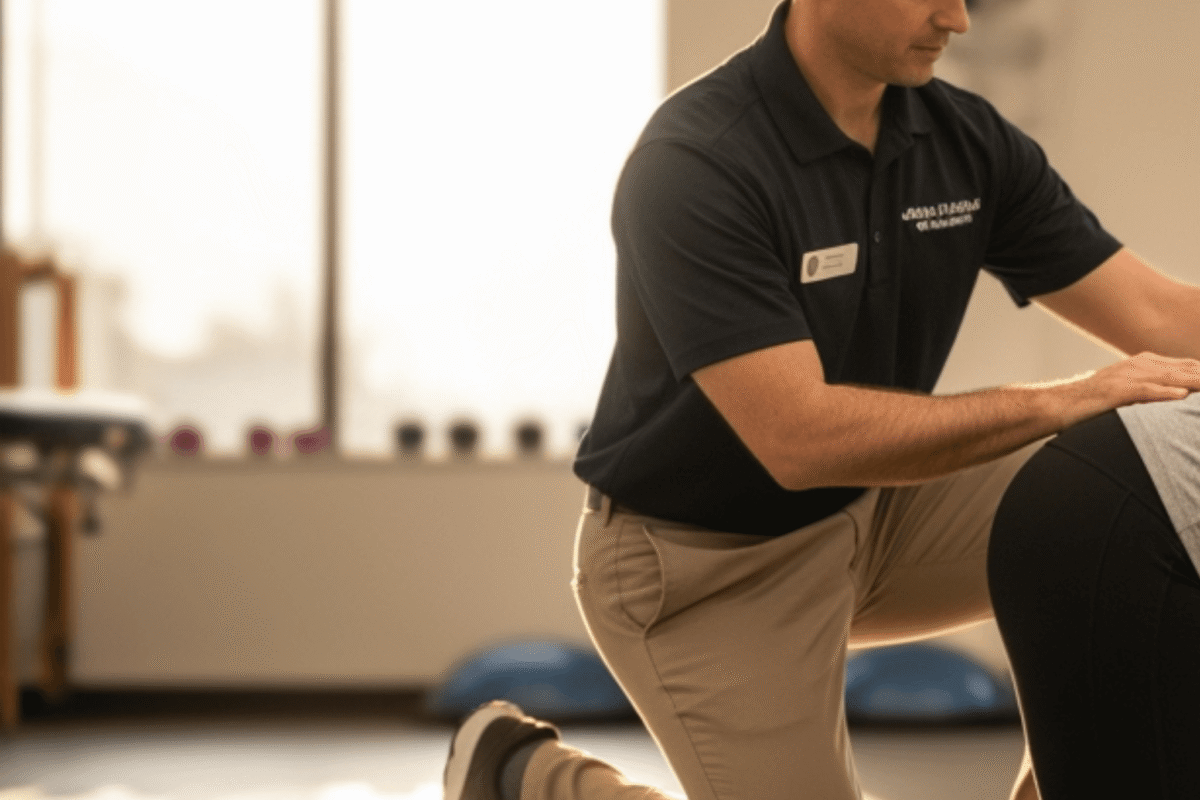
Why Back Pain Is So Common—and How It Disrupts Daily Life
Back pain is a universal experience, affecting millions across the world each year. Whether it comes on suddenly after lifting something heavy or builds up gradually due to poor posture or repetitive movements, back pain disrupts daily routines in profound ways. It is among the top reasons for missed work, doctor visits, and even reduced participation in social or recreational activities. The causes are varied and often complex—ranging from muscular strains, structural imbalances, degenerative changes in the spine, to nerve-related issues and chronic pain patterns.
Modern lifestyles contribute significantly to the rise in back pain cases. Hours spent sitting at desks, carrying heavy bags, or repetitive movements at work can all put strain on the back. In addition, stress and inadequate physical activity further exacerbate the problem, making recovery more difficult. Aside from physical discomfort, persistent back pain can lead to sleep disturbances, irritability, and even mental health challenges such as anxiety or depression.
Recognizing and addressing back pain promptly is essential. Ignoring symptoms or masking them with temporary solutions can allow acute problems to become chronic, making them harder to treat over time. Effective management strategies not only alleviate pain but also help restore your ability to move freely and enjoy life’s activities.
Understanding Your Options: Jane-Style Therapeutic Exercise, Registered Massage Therapy, and Acupuncture
When it comes to treating back pain, a variety of therapeutic options are available. Understanding how each works can empower you to make informed decisions about your care.
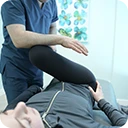
Jane-Style Therapeutic Exercise refers to a structured approach to movement therapy. Drawing from evidence-based rehabilitation techniques, this modality focuses on targeted exercises designed to address specific weaknesses or movement dysfunctions. Sessions may involve gentle stretches, strengthening routines, and mobility drills tailored to your condition. The goal is to relieve pain, restore mobility, and prevent future episodes by retraining the body to move more efficiently.
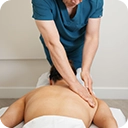
Registered Massage Therapy (RMT) involves the hands-on manipulation of soft tissues—muscles, tendons, ligaments, and fascia. RMTs use techniques like kneading, stretching, and trigger point release to decrease muscle tension, improve local circulation, and expedite tissue healing. Whether you’re dealing with acute muscle strain or chronic tightness, massage therapy can provide immediate relief, promote relaxation, and support long-term recovery.
Acupuncture has roots in Traditional Chinese Medicine and involves the insertion of very fine needles into precise points on the body. This practice is believed to balance the body’s energy and stimulate natural healing processes. From a scientific standpoint, acupuncture is thought to trigger the release of endorphins and improve blood flow, which can reduce pain and inflammation. Treatments are generally comfortable, with most patients describing only minimal sensation as needles are placed.
Each of these therapies brings distinct benefits to back pain management. By addressing both the symptoms and underlying causes, they work together to improve comfort, mobility, and your overall sense of well-being.
Why Combining Therapies Works Better Than a Single Treatment
While each therapy offers value on its own, research and clinical experience consistently show that a combination of approaches leads to superior outcomes for back pain sufferers. This is because back pain rarely arises from a single source—muscle tightness, joint restrictions, nerve irritation, and movement imbalances often interact to produce discomfort.
By embracing an integrative, multimodal approach, you can tackle the problem from different angles. For example, Registered Massage Therapy can quickly reduce muscle tension and improve flexibility, creating a better foundation for exercise and movement retraining. Acupuncture can help modulate pain signals and stimulate the body’s own healing mechanisms, making it easier to engage in therapeutic exercise with less discomfort. Meanwhile, structured exercise protocols can correct faulty movement patterns and strengthen supportive muscles, reducing the likelihood of recurrence.
Personalization is a key benefit of integrative care. Treatments can be adjusted based on your unique symptoms, medical history, and response to therapy. This flexible strategy not only accelerates pain relief and functional recovery but also addresses the diverse factors that may be contributing to your back pain. Numerous studies support the effectiveness of combining therapies for chronic pain, highlighting improved patient satisfaction, reduced pain intensity, and better long-term outcomes.
What to Expect from a Multimodal Back Pain Plan in a Vancouver Wellness Setting
If you’re considering an integrative approach to manage your back pain in Vancouver, your journey typically begins with a comprehensive evaluation by health professionals experienced in multimodal care. The goal of this initial assessment is to determine the underlying contributors to your discomfort—be it muscle tension, joint misalignment, nerve involvement, or chronic pain behaviors.
Based on these findings, a customized treatment plan is developed. This might include a schedule of Registered Massage Therapy sessions to address soft tissue restrictions, acupuncture appointments to target pain and inflammation, and personalized exercise sessions to enhance strength and flexibility. Throughout the process, practitioners collaborate to ensure that each intervention supports your overall recovery.
During your visits, you can expect a supportive and professional environment. Sessions may start with a check-in about recent symptoms and progress, followed by the planned interventions. For example, you might receive massage therapy to relax tight muscles, followed by acupuncture to further reduce pain, and then engage in guided therapeutic exercises to improve movement.
Progress is monitored regularly, and treatment plans are adjusted as needed to maximize benefits. Communication between you and your care team is encouraged, helping to address concerns and celebrate improvements. Most patients experience reduced pain, greater ease in daily activities, and an overall sense of well-being as their program progresses.
How to Choose Qualified Practitioners and Take the Next Step Toward Lasting Relief
Selecting the right healthcare professionals is essential for achieving positive outcomes in back pain management. In Vancouver, look for Registered Massage Therapists who are fully licensed and have experience treating back pain. When considering acupuncture, ensure the practitioner is certified with recognized training and adheres to safety standards. These credentials signal a commitment to both professional excellence and patient safety.
It’s also valuable to choose practitioners and clinics that have experience with integrated care plans. This means professionals who not only excel in their individual fields but who collaborate closely to design comprehensive, patient-centered treatment strategies. Ask potential providers about their approach to communication, continuity of care, and how they tailor their services to meet individual needs.
Patient reviews, testimonials, and word-of-mouth recommendations can also offer insight into the quality of care and the effectiveness of the clinic’s approach. Don’t hesitate to inquire about the assessment process, expected outcomes, and how progress is tracked over time.
The key to lasting relief from back pain lies in seeking a thorough evaluation and being open to multimodal therapy. By engaging with a committed team of qualified professionals, you set the stage for meaningful improvements in pain, function, and overall quality of life. If back pain has been limiting your activities or affecting your well-being, consider reaching out for an assessment—integrative care could be your path to sustainable relief.