
































Common Causes of Heel Pain and How to Find Lasting Relief
November 3, 2025
Laser Skin Tightening: The Non-Invasive Anti-Aging Solution
November 17, 2025
Exploring the Connection Between Stress, Emotions, and Acupuncture
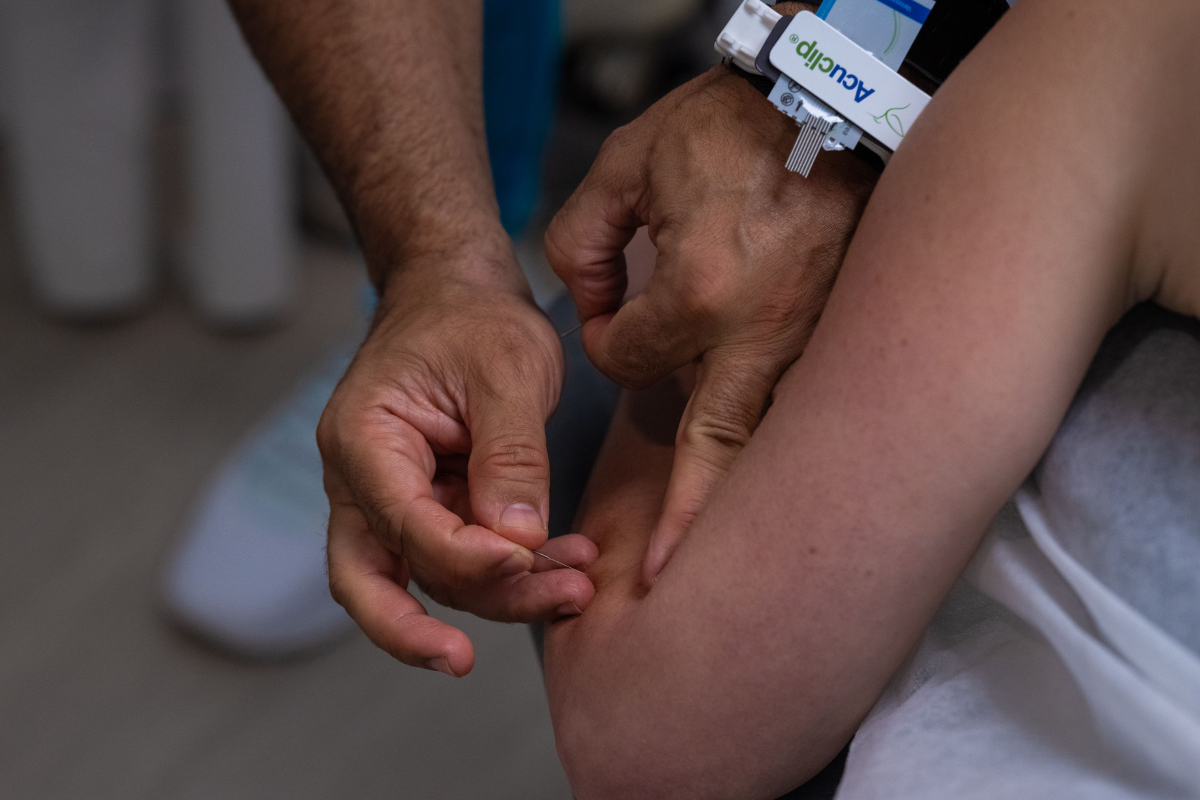
Modern wellness practices increasingly acknowledge that our emotional and physical states are closely intertwined. When we feel stressed, our bodies respond—sometimes in subtle ways, other times with unmistakable signals like tension, fatigue, or discomfort. Acupuncture, an ancient therapeutic modality, offers a unique window into these mind-body connections. The process of inserting fine needles into specific points can reveal how deeply stress and emotions are held within the body’s tissues.
During an acupuncture session, both practitioner and individual have the opportunity to observe bodily reactions that might otherwise go unnoticed. Physical cues—such as muscle twitches, changes in breathing, or shifts in temperature—can provide insights into underlying emotional states. These responses are not just reactions to the needles, but reflections of accumulated stress and unprocessed feelings.
Recognizing these manifestations during acupuncture is not only informative but also empowering. It encourages individuals to reflect on the role stress plays in their lives and how it might be impacting their health. This awareness is a critical first step in the healing journey, opening the door to deeper understanding and transformation. Whether you are new to acupuncture or a seasoned participant, paying attention to how your body expresses stress can foster a more mindful and effective path to wellness.
The Dual Nature of Stress: Growth Versus Harm
Stress is an inevitable aspect of life, woven into our daily experiences and challenges. Not all stress is created equal, however. In fact, short-term stress—often referred to as acute stress—can serve as a powerful catalyst for positive change. When faced with a challenge, our bodies mobilize energy and focus, allowing us to adapt, learn, and overcome obstacles. This process builds resilience and fosters personal growth, helping us become stronger and more capable over time.
Yet, there is a fine line between stress that motivates and stress that overwhelms. Chronic stress arises when we are unable to process or recover from ongoing pressures. Life events that are complex, emotionally taxing, or exceed our capacity to cope can lead to a buildup of stress in both body and mind. Unlike acute stress, which is typically resolved once the challenge passes, chronic stress lingers and accumulates, gradually eroding our well-being.
The harmful effects of chronic stress are well-documented. It can disrupt sleep, weaken the immune system, and contribute to mental health issues such as anxiety and depression. Physically, it may manifest as fatigue, headaches, digestive problems, or muscle pain. Recognizing the dual nature of stress—its potential for both growth and harm—is key to maintaining balance. By learning to manage stress effectively and seeking support when needed, we can harness its positive aspects while protecting ourselves from its detrimental effects.
A Personal Perspective on Chronic Stress and Healing
Chronic stress often has roots that stretch back further than we might realize. For some individuals, the seeds of stress are sown early—sometimes even before birth—through circumstances such as family dynamics, environmental factors, or significant life changes. These early experiences can leave a lasting imprint on the mind, body, and spirit, influencing how we respond to stress throughout our lives.
The journey to healing from deep-rooted stress is both personal and complex. It often involves a process of self-discovery and reflection, as we begin to understand how early stressors have shaped our inner world and outward behaviors. For many, the path to recovery is not straightforward. It may require developing new coping strategies, seeking professional guidance, and gradually building resilience over time.
Intellectual insights alone are rarely enough; lasting healing also demands physical and emotional engagement. Practices such as mindfulness, movement, and therapeutic interventions like acupuncture can help release long-held tension and support the body’s natural healing mechanisms. This combination of understanding and action provides a foundation for meaningful change. While the scars of chronic stress may run deep, it is possible to move toward a healthier, more balanced future with the right support and commitment.
How the Nervous System Responds During Acupuncture: Hyperarousal and Hypoarousal Explained
The human nervous system is remarkably adaptive, equipped to respond swiftly to danger or overwhelming experiences. When faced with stress that is too intense or persistent to manage, our bodies tend to react in one of two primary ways: hyperarousal or hypoarousal. Understanding these responses can shed light on the physical sensations and emotions that may arise during acupuncture sessions.
Hyperarousal is commonly known as the fight-or-flight response. This state is characterized by heightened alertness, increased heart rate, and a surge of adrenaline. Individuals in hyperarousal may feel anxious, restless, or irritable, and their bodies may exhibit muscle tension or rapid breathing. This response is designed to help us confront or escape danger, but when activated repeatedly or for extended periods, it can become exhausting and counterproductive.
On the other hand, hypoarousal is often referred to as the freeze or shutdown response. When stress feels overwhelming—or when previous attempts to fight or flee have failed—the body may conserve its energy by becoming numb, disconnected, or immobilized. This protective mechanism can manifest as fatigue, emotional numbness, or a sense of hopelessness. During acupuncture, individuals might notice sensations of heaviness, stillness, or a tendency to withdraw inward.
Acupuncture offers a supportive environment to observe and address these stress responses. By tuning in to how the body feels during treatment, individuals and practitioners can gain valuable insights into underlying patterns of stress and begin to chart a path toward greater balance and vitality.
The Freeze Response: Recognizing and Addressing Hypoarousal Symptoms
The freeze response, or hypoarousal, is a primal survival strategy that emerges when threats feel insurmountable or when more active responses (like fighting or fleeing) are not possible. In this state, the body effectively “shuts down” to conserve energy and protect itself from further harm. While this mechanism may have been crucial for survival in the face of physical danger, it can become maladaptive when triggered by chronic or psychological stress.
Recognizing the signs of hypoarousal is essential for both self-awareness and healing. Individuals experiencing hypoarousal may feel persistently tired, emotionally detached, or as though they are moving through life in slow motion. Other common symptoms include a sense of heaviness in the body, feelings of hopelessness or being “stuck,” and moments of dissociation or mental fog.
Over time, chronic hypoarousal can pave the way for conditions like depression, chronic fatigue, and a general sense of diminished vitality. These symptoms can be perplexing, especially when they arise without a clear cause. However, understanding that they represent the body’s attempt to cope with overwhelming stress can provide a sense of validation and direction for recovery.
Addressing hypoarousal often requires a combination of self-care, professional guidance, and therapeutic interventions. Gentle practices that encourage reconnection with the body—such as acupuncture, movement, or mindful breathing—can help gradually restore balance and vitality. The first step is recognizing the signs and seeking support, allowing the healing process to unfold.
Pathways to Recovery: Supporting Mind-Body Balance Through Acupuncture
Recovery from chronic stress and its effects on the nervous system is a multifaceted journey. Acupuncture can play a pivotal role in this process by supporting the body’s natural capacity for regulation and healing. By targeting specific points, acupuncture may help recalibrate the nervous system, easing both hyperarousal (anxiety, tension) and hypoarousal (fatigue, numbness).
One of the unique strengths of acupuncture is its ability to foster self-awareness. During a session, individuals are invited to notice subtle changes in their body—releases of tension, shifts in energy, or areas of sensation that may have previously gone unnoticed. This mindful attention can help surface and resolve long-held patterns of stress, making space for new, healthier responses.
Acupuncture is most effective when integrated into a broader wellness routine. Complementary practices such as gentle movement, restorative sleep, balanced nutrition, and mindfulness can enhance the benefits of acupuncture, promoting holistic healing. The calming and restorative effects of acupuncture can also help individuals feel safer and more at ease, providing a foundation for emotional resilience.
Ultimately, the journey to mind-body balance is deeply personal, and there is no one-size-fits-all solution. However, by engaging with supportive practices like acupuncture and remaining attentive to the body’s signals, individuals can cultivate greater resilience, vitality, and well-being—navigating life’s challenges with renewed strength and clarity.