









Laser Skin Tightening: The Non-Invasive Anti-Aging Solution
November 17, 2025
Building Effective Skincare Routines at Limelight Wellness Vancouver
December 2, 2025
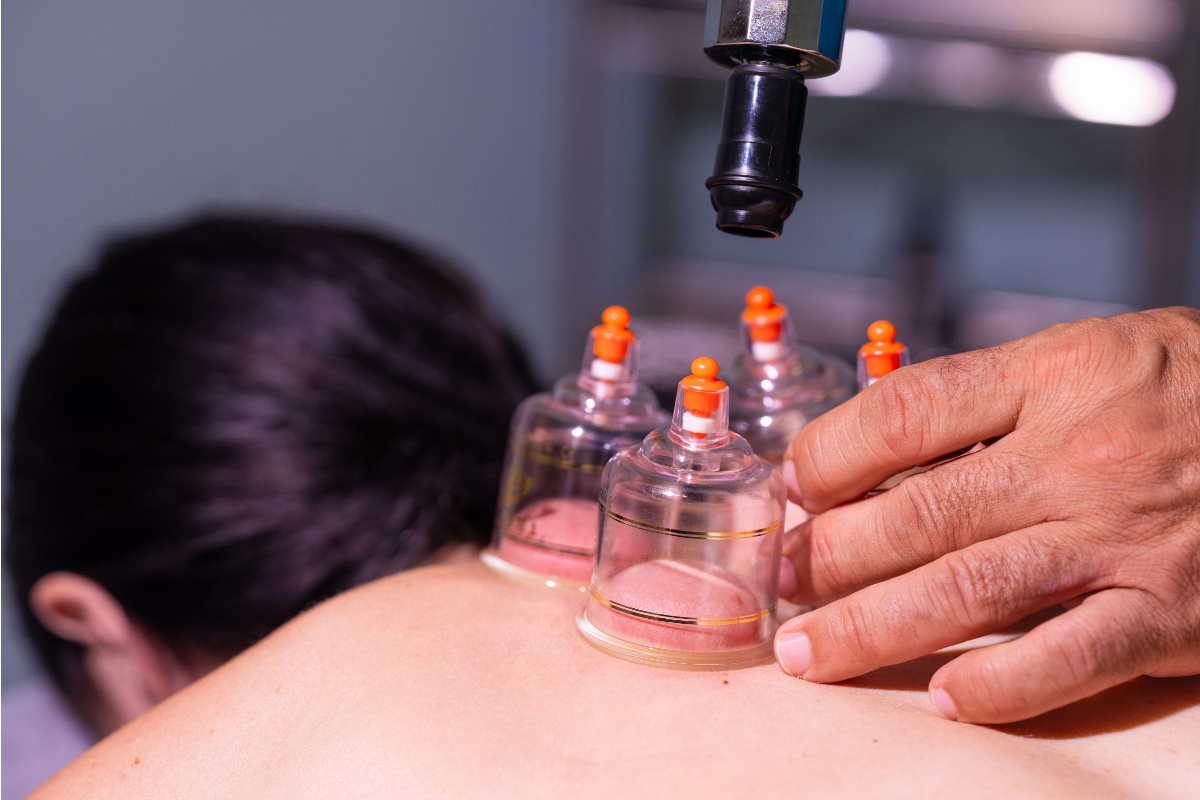
Discovering Cupping: An Introduction to This Time-Honored Practice
Cupping therapy has captured the attention of wellness enthusiasts worldwide, offering a gentle yet impactful alternative to conventional health treatments. At its core, cupping involves placing specialized cups on the skin to create suction, which is believed to stimulate healing and promote overall well-being. This ancient practice, rooted in centuries-old traditions, has found renewed popularity in modern wellness circles as more individuals seek out holistic approaches to health.
Unlike invasive procedures or pharmaceutical interventions, cupping is a non-invasive technique that appeals to those looking for natural ways to support their bodies. The therapy is often sought after by individuals aiming to address muscle tension, manage chronic pain, or simply enhance their sense of vitality. Its resurgence in contemporary health centers and clinics reflects a growing interest in alternative therapies that complement mainstream medical care.
Cupping sessions are typically relaxing, with many participants reporting feelings of warmth and deep relaxation during and after the procedure. As more people look for comprehensive wellness solutions, cupping stands out as a versatile therapy that can be tailored to a variety of needs, making it a valuable addition to any wellness routine.
How Cupping Therapy Works: Techniques and Mechanisms
Cupping therapy employs two primary techniques: stationary cupping and moving cupping. In stationary cupping, cups are placed on specific areas of the skin and left in position for several minutes. Moving cupping involves gliding the cups across lubricated skin, effectively combining suction with a gentle massage.
The process begins by creating a vacuum inside the cup—either through heat or mechanical pumps—which draws the skin and underlying tissues upward. This suction encourages an immediate rush of blood to the area, promoting increased circulation and delivering more oxygen and nutrients to the tissues. The result is a pleasant, warming sensation that many clients find deeply soothing.
One of the key mechanisms behind cupping’s effectiveness is its ability to help mobilize lactic acid—a metabolic byproduct linked to muscle soreness—and stagnant lymphatic fluid. By drawing these substances to the surface, cupping can facilitate their removal from the body, potentially leading to reduced inflammation and faster recovery.
Safety is an important consideration. Cupping is generally well-tolerated, though temporary marks or mild bruising can occur where the cups were placed. These marks are typically harmless and fade within a few days. During a session, clients can expect a gentle pulling sensation, with most reporting minimal discomfort and significant relaxation. Understanding these techniques and mechanisms helps demystify cupping, making it more accessible for those new to the therapy.
Healing Benefits: From Improved Circulation to Pain Management
Cupping therapy offers a myriad of healing benefits, making it a popular choice among those seeking relief from various physical ailments and a boost in overall well-being. One of the most celebrated effects of cupping is its ability to enhance blood flow to targeted areas. This increased circulation delivers vital oxygen and nutrients to tissues, supporting cellular repair and speeding up recovery from injuries.
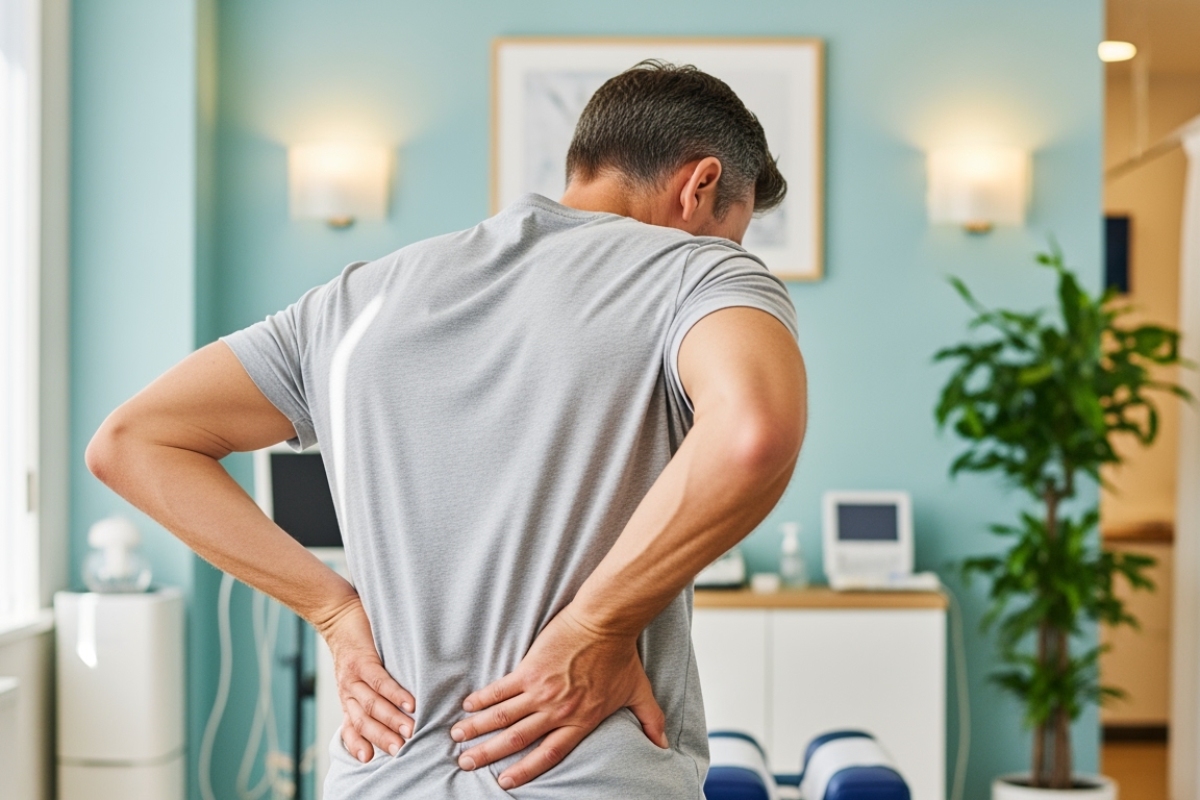
Another significant benefit is the reduction of muscle pain and tension. By drawing blood to sore or tight muscles, cupping helps relax the underlying fibers, alleviating discomfort from conditions such as back pain, muscle strains, and sports injuries. Additionally, the suction created by the cups aids in flushing out lactic acid and other metabolic wastes that accumulate during exercise or stress, further reducing soreness and promoting healing.
Cupping is also recognized for its role in pain management. Individuals dealing with chronic pain conditions, such as arthritis or fibromyalgia, often report improvements in mobility and a decrease in pain intensity following regular sessions. Beyond its physical effects, the relaxing nature of cupping contributes to mental well-being, offering stress relief and a sense of relaxation that can complement other wellness practices.
Overall, cupping stands out as a versatile therapy, capable of addressing a range of health concerns while supporting the body’s natural healing processes.
Tracing the Roots: Cultural and Historical Perspectives of Cupping
The history of cupping stretches back thousands of years, with its origins deeply rooted in Asian cultures—most notably within traditional Chinese medicine. Historical texts detail the use of cupping to treat various ailments, especially those affecting the lungs, such as pneumonia and bronchitis. The therapy was believed to draw out toxins, clear respiratory blockages, and restore balance within the body.
As knowledge of cupping spread, it found its way into the healing traditions of the Middle East, Europe, and beyond. Different cultures adapted the technique, using materials ranging from bamboo and animal horns to the glass and silicone cups common today. Each adaptation reflected the unique medical philosophies and resources available at the time.
Over the centuries, cupping’s applications expanded beyond respiratory health. Practitioners began using it to address musculoskeletal pain, digestive issues, and even skin conditions. Its enduring legacy is a testament to its perceived effectiveness and adaptability.
In the modern era, cupping has been embraced by wellness professionals and individuals seeking holistic approaches to health. While contemporary methods may differ from ancient practices, the core principles remain unchanged—relying on the body’s innate ability to heal itself when given the right support. This rich cultural and historical background continues to inform and inspire the use of cupping in today’s wellness landscape.
Modern-Day Uses: Addressing Muscle Pain, Skin Health, and Immune Support
Cupping therapy has seamlessly transitioned from an ancient remedy to a modern wellness tool, offering solutions for a variety of health concerns. One of its most common uses today is the alleviation of muscle pain and tension. Whether dealing with a stiff neck, lower back pain, or sports-related injuries, individuals often turn to cupping to expedite recovery and restore mobility.
Beyond musculoskeletal concerns, cupping has demonstrated potential in managing chronic conditions like knee arthritis and persistent inflammation. The localized suction helps decrease pain and swelling, making daily activities more comfortable for those with ongoing joint issues.
Interestingly, cupping’s benefits extend to skin health. For individuals struggling with acne, hives, or other dermatological concerns, the therapy can improve circulation and facilitate the removal of toxins, thereby supporting clearer and healthier skin.
Additionally, cupping can play a role in managing headaches by relieving muscle tightness in the shoulders and neck—common contributors to tension headaches. Some wellness practitioners also use cupping to enhance immune function, believing that it stimulates the body’s natural defense mechanisms and supports overall vitality.
Athletes and physically active individuals often incorporate cupping into their recovery routines, citing reduced soreness and improved performance. As research continues, the versatility of cupping therapy remains a compelling reason for its widespread adoption in modern wellness practices.
What Science Says: Research and Evidence on Cupping’s Effectiveness
The scientific exploration of cupping therapy has gained momentum in recent years, sparking interest among both practitioners and researchers. One notable study, published in August 2020, examined the effects of cupping on individuals with chronic fatigue syndrome. The findings revealed that participants who underwent five cupping sessions experienced improvements in fatigue, mood, and sleep quality—suggesting potential benefits for those struggling with persistent exhaustion and low energy.
Despite these promising results, the overall body of scientific evidence on cupping remains limited. While numerous anecdotal reports and smaller studies support its use for pain relief, muscle recovery, and inflammation reduction, larger and more rigorous clinical trials are needed to fully validate these claims.
It is important to recognize that much of the positive feedback surrounding cupping is rooted in centuries of traditional practice and observation. Modern science is beginning to uncover the physiological mechanisms at play—such as increased circulation and the mobilization of metabolic waste—but more research is necessary to establish standardized protocols and confirm long-term outcomes.
For now, cupping therapy occupies a unique space where traditional wisdom meets emerging science. Individuals interested in the therapy are encouraged to stay informed about new research developments while considering their personal health needs and preferences.
Is Cupping Right for You? Considerations for Wellness Seekers in Vancouver
Deciding whether cupping therapy aligns with your wellness goals requires thoughtful consideration of your individual needs and health status. Cupping can be especially beneficial for those seeking relief from muscle pain, chronic tension, or slow recovery from physical activity. It may also be an attractive option for individuals interested in natural therapies that support relaxation, immune function, and skin health.
Before booking a session, consider your health history and current conditions. While cupping is generally safe, it may not be appropriate for everyone. Individuals with certain medical conditions—such as skin infections, blood disorders, or those who are pregnant—should consult a healthcare provider before trying cupping. It is also important to set realistic expectations; while many people experience relief after a few sessions, results can vary based on individual response and the nature of the health concern.
Selecting a qualified and experienced practitioner is crucial to ensuring a safe and effective experience. Look for professionals who are trained in cupping and knowledgeable about integrating it with other wellness practices. Combining cupping with complementary therapies, such as massage, acupuncture, or lifestyle modifications, can further enhance your overall health outcomes.
For residents of Vancouver and beyond, exploring cupping as part of a holistic wellness plan offers an opportunity to tap into ancient healing traditions while embracing a balanced, modern approach to self-care.
Embracing Traditional Therapies for Holistic Health
In today’s fast-paced world, the pursuit of holistic health often leads individuals to explore therapies that have stood the test of time. Cupping exemplifies the blending of ancient wisdom with contemporary wellness, offering a gentle yet powerful approach to healing that addresses both body and mind.
Integrating traditional therapies like cupping with modern health practices can provide a more comprehensive path to well-being. Whether used to manage pain, improve circulation, support skin health, or enhance relaxation, cupping serves as a reminder of the body’s innate capacity for healing when given the right tools and environment.
As with all health decisions, it is essential to seek options that are safe, evidence-informed, and tailored to your unique needs. Collaborating with qualified practitioners and staying open to both traditional and innovative therapies can empower you to take charge of your wellness journey.
Ultimately, the enduring appeal of cupping lies in its ability to connect us to healing practices that are both effective and deeply rooted in human history. By embracing such therapies, wellness seekers can cultivate a balanced, proactive approach to health—honoring the past while nurturing a vibrant, healthy future.