






Fotona Laser Skin Tightening in Vancouver: A Modern Guide
January 22, 2026
Discover Potenza RF: Smoother Skin at Limelight Wellness Vancouver
January 31, 2026
From Ancient Ritual to Modern Beauty Clinic: How Cupping Became a Wellness Essential
Cupping therapy, recognizable by its distinctive circular marks, is far from a passing trend—it’s an ancient practice with a history dating back thousands of years. Archaeological records show that both ancient Chinese and Egyptian cultures employed cupping to address ailments, stimulate healing, and restore balance in the body. In China, it became an essential element of Traditional Chinese Medicine (TCM), often used alongside acupuncture and herbal remedies. Egyptian texts, such as the Ebers Papyrus (circa 1550 BCE), describe cupping as a routine medical practice for everything from fevers to pain.
As centuries passed, cupping continued to evolve. Its enduring presence in TCM clinics speaks to its efficacy and adaptability. In recent decades, athletes—especially Olympians—have brought cupping into the Western limelight, using it for muscle recovery and improved performance. This attention has propelled cupping out of the shadows of folk medicine and into the realm of modern beauty clinics and wellness centers.
Today, cupping is viewed as a bridge between time-honored healing wisdom and contemporary wellness philosophies. Whether offered as part of a comprehensive beauty regimen or integrated into a pain management plan, cupping’s appeal lies in its holistic approach—addressing not only physical discomfort but also stress and overall well-being. This blend of ancient tradition and modern science is why cupping has become a mainstay in clinics and beauty centers, including those in Vancouver’s thriving health and wellness community.
What Actually Happens During Cupping? Circulation, Fascia, and Nervous System Basics
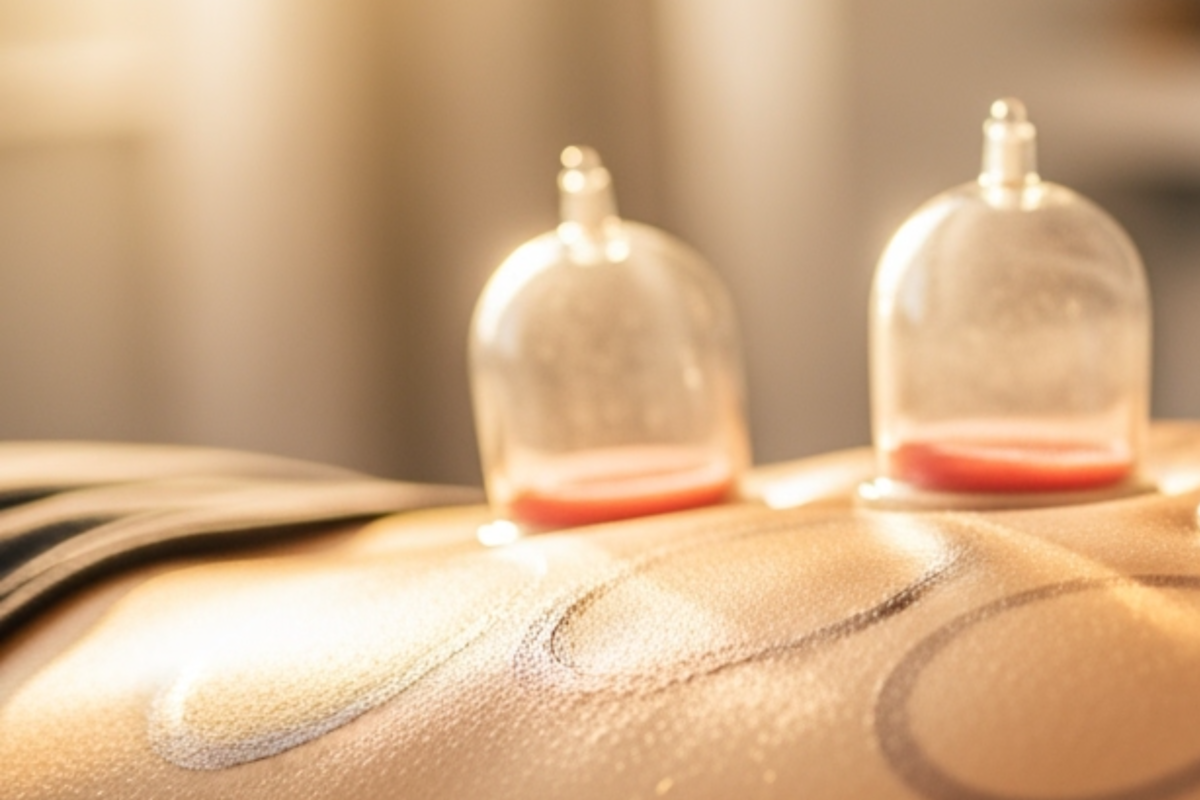
At its core, cupping involves placing special cups—traditionally made of glass, bamboo, or more recently, silicone or plastic—on the skin. The practitioner creates suction either by briefly heating the air inside the cup or by using a mechanical pump. This gentle vacuum lifts the skin and underlying tissues, drawing blood to the targeted area.
This increased blood flow delivers fresh oxygen and nutrients to muscles and tissues, supporting their repair and promoting overall vitality. At the same time, the negative pressure helps loosen the fascia, the connective tissue that encases muscles. Fascia can become tight or restricted through overuse, injury, or stress. By encouraging myofascial release, cupping can restore mobility and reduce discomfort—a principle valued in both athletic recovery and beauty treatments.
Another remarkable effect of cupping is its influence on the nervous system. The process is inherently calming, often inducing a sense of relaxation similar to a deep massage. This can lower stress hormones, ease anxiety, and even improve sleep quality.
Cupping is also linked to supporting the body’s natural detoxification processes. By encouraging local circulation and lymphatic flow, it helps more efficiently remove metabolic waste from tissues. All of these physiological effects underscore why cupping is not only a tool for pain relief but also a popular choice for skin rejuvenation and holistic health services in Vancouver and beyond.
Top Benefits of Cupping for Pain Relief, Muscle Recovery, Skin Health, and Stress
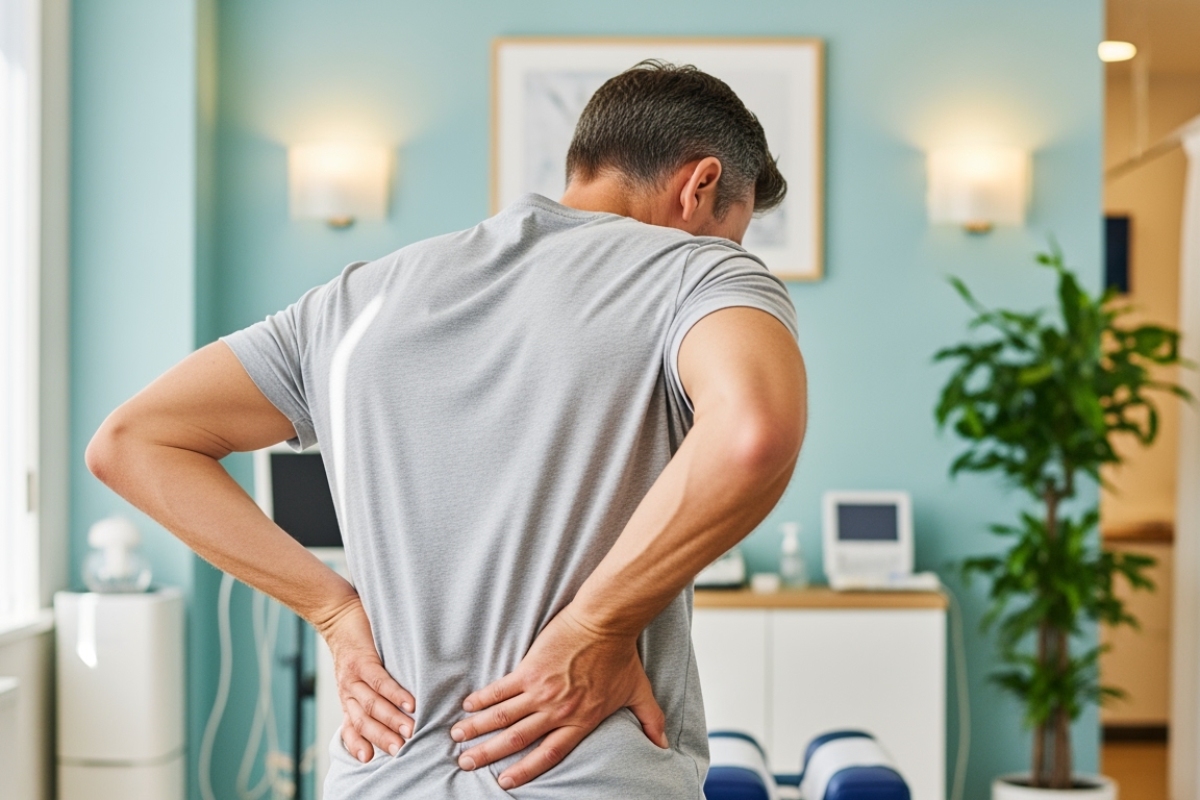
The versatility of cupping therapy makes it a preferred choice for a range of wellness and beauty goals. One of its most celebrated uses is for pain relief, especially among those who struggle with chronic discomfort in the back, neck, or shoulders. The suction effect helps to break up adhesions and muscle knots, resulting in decreased tightness and discomfort. Many clients report feeling lighter and more mobile after just one session.
For athletes or active individuals, cupping accelerates muscle recovery. Post-workout soreness is often the result of micro-tears and inflammation. By increasing blood flow to hard-working muscles, cupping supports faster healing and lowers the risk of overuse injuries. This is why elite competitors often turn to cupping as a regular part of their training and recovery routines.
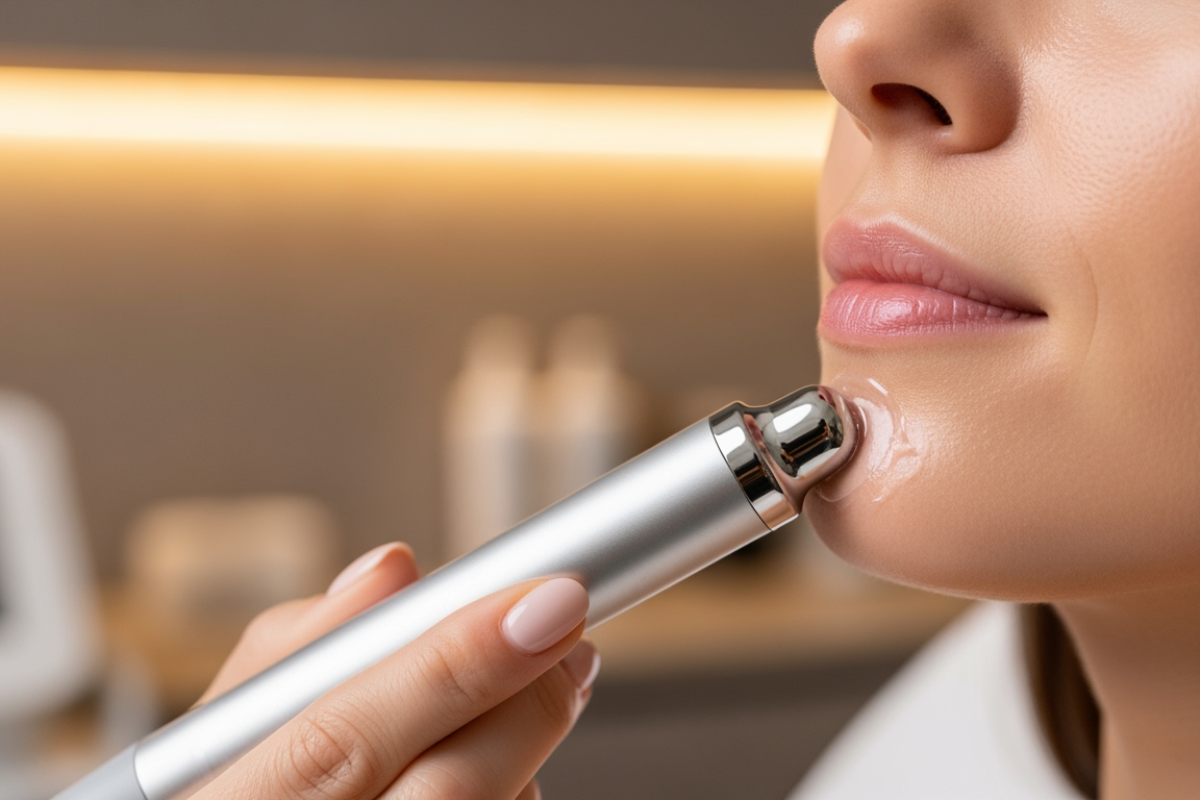
Beyond muscle health, cupping can contribute to skin rejuvenation. Enhanced circulation brings nutrients and oxygen to the skin’s surface, which may support a brighter, more even complexion. Some beauty clinics integrate cupping as part of facial treatments to gently stimulate the skin and promote a youthful glow.
Stress relief is another cornerstone of cupping’s appeal. The calming effect on the nervous system often leads to deep relaxation, better sleep, and overall emotional balance. Many find that regular cupping sessions leave them not only physically restored but also mentally and emotionally uplifted—a holistic effect that aligns perfectly with the beauty and wellness goals of Vancouver residents seeking comprehensive health services.
Professional Cupping vs. At‑Home Self‑Care: Safety, Frequency, and Combining Therapies
Cupping can be accessed in two main formats: professionally administered sessions and guided self-care at home. In a professional setting, trained practitioners assess your individual needs, medical history, and goals before tailoring the treatment. This ensures both safety and optimal therapeutic outcomes, especially for those new to cupping or dealing with chronic conditions.
At-home cupping kits have made the practice more accessible, but technique matters. Learning the basics from a qualified instructor—through workshops, masterclasses, or personal consultation—is highly recommended. This helps prevent common pitfalls, such as improper cup placement, excessive suction, or overlooking contraindications.
How often should you receive cupping? While some benefit from weekly sessions during periods of intense activity or stress, others find that monthly sessions suffice for maintenance and general wellness. A trained practitioner can help you develop a plan that fits your unique situation.
Cupping’s adaptability extends to its compatibility with other therapies. Combining cupping with acupuncture, massage, or even mindful breathing can amplify its benefits. For example, some beauty clinics pair facial cupping with skin rejuvenation or body contouring treatments, maximizing both relaxation and aesthetic results.
For beginners, starting with a professional session is a wise first step. This not only provides a sense of what to expect but also lays the foundation for safe self-care, should you wish to try cupping at home in the future. If you’re curious about integrating cupping into your wellness routine, consulting with experienced practitioners in Vancouver’s leading clinics is a great place to start.
Cupping FAQ: Safety, Marks on the Skin, and How It Fits Into Holistic Health Services
Is cupping safe? Who should avoid it?
Cupping is generally considered safe when performed by trained professionals, but it’s not for everyone. People with certain health conditions—such as bleeding disorders, severe skin conditions, or pregnancy—should consult their healthcare provider before trying cupping. It’s also important for those with thin or sensitive skin to discuss their suitability during a wellness consultation.
What does cupping feel like, and are marks normal?
During treatment, you’ll likely feel a gentle pulling or tightness on the skin. Most people find this sensation surprisingly relaxing. After a session, it’s common to notice circular marks or mild bruising where the cups were placed. These marks are harmless, typically fade within a few days to a week, and are a sign of increased local circulation rather than injury.
How often should cupping be done?
The frequency of cupping depends on your goals and individual response. For targeted pain or athletic recovery, weekly treatments may be ideal for a short period, followed by maintenance sessions every three to four weeks. For stress management or general wellness, monthly treatments often suffice.
Can you combine cupping with other therapies?
Absolutely. Cupping is frequently integrated with acupuncture, massage, and even advanced beauty services such as skin rejuvenation and body contouring. This holistic approach supports both inner healing and outward radiance, aligning with the comprehensive offerings found in modern beauty clinics.
Whether you’re pursuing pain relief, enhanced skin vitality, or a new way to manage stress, cupping represents a time-honored, science-backed addition to today’s wellness landscape. If you’re in Vancouver and curious about incorporating cupping into your beauty or health services routine, consider booking a consultation with experienced professionals who can help you achieve balanced, radiant well-being.