





Temporomandibular Disorders and Associated Craniofacial Symptoms

Review Section:

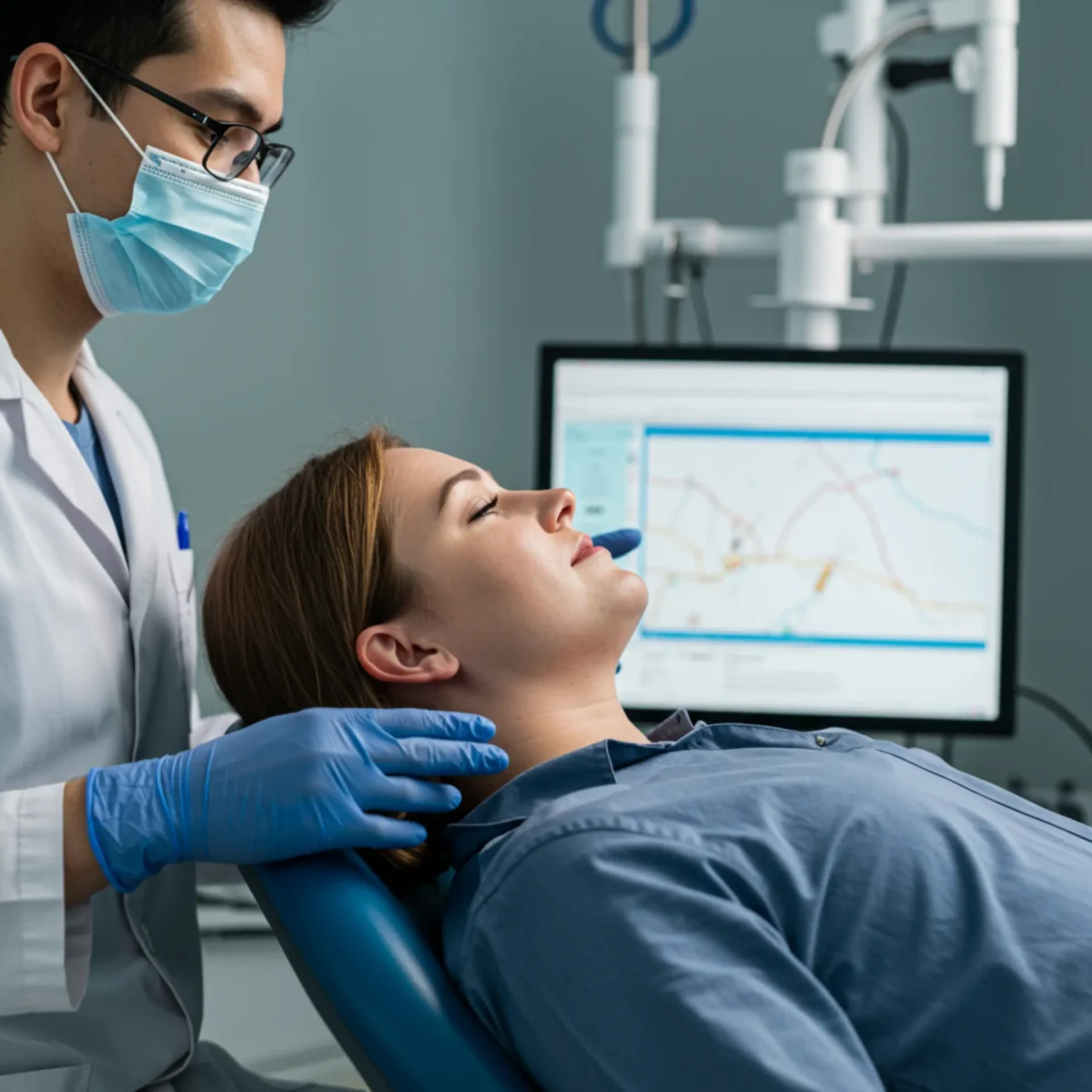
Learn how to collaborate and communicate with the Dentist/Physician/Specialist in TMD patient care.

Temporomandibular Disorders and Associated Craniofacial Symptoms

Syllabus

Start date: February 15 2026

9:30 AM – 5:30 PM


  • Etiology and classification of TMD

  • Maladaptive behavior in the masticatory system leading to chronic TMD

  • Clinical signs and symptoms associated with TMD

  • Overloading in the masticatory system: Overuse, bruxism, and muscle imbalance

  • Autonomic linkage: stress, poor breathing, bruxism, and TMD

  • Teeth occlusion, malocclusion, and TMD

  • Kinetic Chain Interrelationship: Posture, Occlusion, and TMD

  • Clinical biomechanics and neuromuscular control in the masticatory system

  • Disc-condyle integrity during mandibular MVTs

  • Normal movement patterns in the healthy masticatory system

  • Intra/extra-articular abnormalities in TMJs and the cranio-cervical relations to TMD

  • TMJ disc-condyle derangement (with/without reduction)

  • Muscle imbalance and myofascial trigger points associated with TMD

  • Movement impairments in TMD: The cranial-cervical masticatory dyskinesia

  • Oral Appliances for TMD

Price: $450

TMD Hands-on Examinations:

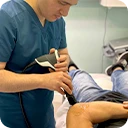
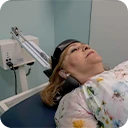
Learn to conduct hands-on examinations, exploring:

  • Abnormalities in jaw posture, ST/bony asymmetries, malocclusion, and tooth signs

  • Abnormalities in the cranio-mandibular-cervical region MVT pattern (MVT asymmetry and dyskinesis, instability, irritability, and noises)

  • Poor posture, breathing pattern dysfunctions

  • Palpatory abnormalities in the masticatory soft tissues/MTPs/bony landmarks (texture, tenderness, referral headache, and ear symptoms)

  • Contribution of neck-shoulder dysfunctions to TMD symptoms

  • How the prescribed oral appliance jaw posture, MVT, and TMD symptoms


TMD Hands-on Management Techniques:

Learn how to:

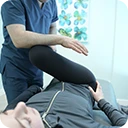
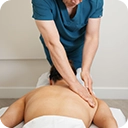
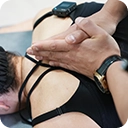
  • Use the most effective Soft Tissue Techniques (myofascial release and muscle energy techniques) to alleviate muscle pain and stiffness and manage other TMD symptoms.

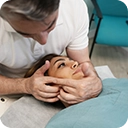
  • Utilize controlled Joint mobilization techniques to address restrictions in jaw and neck motion and alleviate TMJ locking and clicking.

  • Through postural training, neuromuscular training exercises, and education for diet and the role of oral appliances

  • Educate the patient on how to reduce strain/overloading on the masticatory system (Soft food diet, stress management, breathing repatterning, postural training, and ST releases)

  • Prescribe effective and customized neuromuscular exercise programs tailored to address each patient’s TMD symptoms to restore mobility, stability, and symptom-free masticatory function
Course Template

Coming  soon

About Me

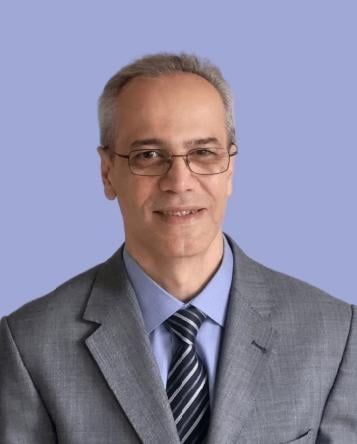
Nader Maroufi, PhD in Physiotherapy and expert in manual therapy, has over 30 years of dedicated experience in clinical practice, academic teaching, and research in the field of musculoskeletal (MSK) disorders. He has authored more than 100 peer-reviewed research articles and has played a significant role in advancing evidence-based approaches to MSK rehabilitation. Throughout his career, Nader has trained thousands of rehabilitation professionals in the assessment and treatment of spinal pain disorders, pelvic girdle dysfunctions, peripheral joint injuries, temporomandibular disorders (TMD), and cervicogenic headaches. His clinical approach integrates manual therapy with sensorimotor control strategies to enhance functional outcomes for patients with complex MSK conditions. Since relocating to Canada in 2015, he has continued to deliver highly regarded manual therapy and sensorimotor training courses for physiotherapists, chiropractors, registered massage therapists, and kinesiologists. In addition to professional education, Nader actively presents key topics to physicians, dental surgeons, and specialists at local and international conferences, raising awareness of the critical role rehabilitation professionals play in integrated patient care. As a certified TMJ/TMD therapist and kinesiologist in British Columbia, Nader works in close collaboration with physicians, dentists, oral medicine specialists, and maxillofacial surgeons in the interdisciplinary management of patients, particularly those with TMD, sleep apnea, and cervicogenic headaches. His mission is to bridge the gap between rehabilitation and medical disciplines, fostering a collaborative, team-based approach to improve patient outcomes and quality of care

Course Template

Frequently Asked Questions

Who can register for your courses?

Everyone is welcome! You don’t need any prior qualifications or background in health or aesthetics. Just pick the course you’re interested in and sign up.

Are your health courses eligible for continuing education credits?

Yes! Our health courses may qualify as continuing education (CE) credits for certain regulated health professionals (e.g. massage therapists, naturopaths, RMTs). However, you must confirm directly with your professional college or regulatory body to ensure eligibility.

What about credits for aesthetic courses?
While aesthetic courses don’t automatically provide CE credits, they can help prepare you to open your own business or work within existing spas or clinics—provided you can obtain professional liability insurance.
Good news: Our previous students have consistently been approved for insurance without any issues.
Do you offer in‑person, online, or hybrid formats?
• Health courses are offered in person only, giving you hands-on training and direct support.
• Aesthetic courses follow a hybrid format, blending online theory modules with in-person practical sessions and assessments.
Can these courses help me start a business?
Absolutely!
• Health courses can advance your existing professional practice or support attaining further certifications.
• Aesthetic courses teach you the skills to safely deliver services—many graduates go on to open salons, clinics, or mobile aesthetics businesses. Just be sure to secure liability insurance.
What support does your academy offer after graduation?
We provide ongoing guidance to help you:
• Liaise with your college or regulatory body for CE credit approval
• Find and compare liability insurance providers
• Set up your new aesthetics clinic or business
How do I find out if my professional college accepts your course for credit?
Each college has its own policies. We recommend contacting your college or regulatory body directly with:
• Course name
• Provider (our Academy)
• Total hours and course outline
They’ll confirm whether the course counts toward your CE requirements.
What if I can’t get liability insurance after completing my aesthetics course?
While our graduates haven’t faced this issue, insurance providers have different criteria. We’ll support you by:
• Referring you to insurers familiar with our graduates
• Sharing documentation and course details to streamline your application
How do I register and what are the payment options?
You can register online via our website. Payment can be made by credit card, debit, or e-transfer. Some courses also offer payment plan options—just ask for details.

Still have questions?

Reach out to our friendly team anytime at info@limelightwellness.ca or call (604) 262‑1002 we’re happy to help you choose the right course and guide you through the registration process.