


















Choosing a skin treatment can feel confusing when breakouts, dark marks, redness, and uneven texture appear together. A facial might promise clearer pores, a peel might target discoloration, and a laser might improve scars. Those are different goals, even when they involve the same area of skin.
The most useful starting point is to identify what you want to treat. Active acne needs a different approach than the marks or indentations it leaves behind. Your skin’s sensitivity, tendency to develop pigmentation, current medications, and ability to manage recovery also matter.
Professional treatments can help with selected concerns, but a stronger procedure is not automatically a better choice. Here is how common options compare, where their benefits have limits, and what to discuss before booking.
First, Separate Active Acne From Its Aftereffects
“Acne-prone skin” describes a tendency to break out, not a single condition. You might have blackheads and whiteheads, inflamed pimples, deeper painful nodules, or a combination. Each responds differently to treatment.
What remains after a breakout also matters. Flat brown or gray marks are usually post-inflammatory hyperpigmentation. Flat pink or red marks may be post-inflammatory erythema, which involves lingering changes in small blood vessels. Indented or raised areas are scars.
These distinctions change the treatment plan. Exfoliation may help clogged pores or some superficial discoloration, but it will not reliably correct deep, tethered scars. A procedure intended to soften scars may do little to prevent new breakouts.
For persistent acne, prescription or over-the-counter treatment often provides the foundation. Depending on the situation, this may include benzoyl peroxide, a topical retinoid, azelaic acid, or prescription medication. Procedures are often additions to that plan rather than replacements.
If breakouts are painful, causing scars, or affecting your well-being, seek medical assessment early. Waiting for a cosmetic treatment to solve everything can allow preventable scarring to continue.
Medical-Grade Facials: Useful Support, With Limits
The term “medical-grade facial” does not describe one standardized procedure. It can refer to different combinations of cleansing, exfoliation, extractions, masks, and topical ingredients. The actual steps matter more than the label.
Hydradermabrasion and HydraFacial-Style Treatments
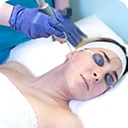
These treatments typically combine liquid-assisted exfoliation, suction, and application of hydrating products. Ingredients may include hyaluronic acid, antioxidants, or peptides, although formulas and treatment protocols vary.
For someone with mild congestion and dehydration, the immediate result may be smoother-feeling skin and a temporarily fresher appearance. Gentle extraction may also reduce some visible blackheads.
That does not make the treatment a cure for acne. Evidence for sustained acne control is less established than it is for standard acne medications. Hydration and surface smoothing can improve how skin looks without addressing all the processes that cause breakouts.
Extraction technique deserves attention, too. Aggressive suction or squeezing can irritate skin, worsen inflammation, and increase the chance of discoloration. Inflamed pimples, deep nodules, broken skin, or an irritated skin barrier may require postponing or modifying treatment.
What About Oxygen and Anti-Aging Facials?
These names cover a wide range of treatments. Some feel soothing and temporarily improve hydration, but claims about oxygen delivery or lasting collagen changes need careful scrutiny.
Ask what is being applied and why. Fragrance, essential oils, abrasive exfoliation, or multiple active ingredients can be a poor match for reactive, acne-prone skin. A simple, well-tolerated facial may be more useful than an elaborate one.
Chemical Peels: Targeted Exfoliation for Selected Concerns
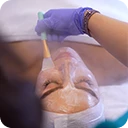
Chemical peels use acids or other agents to create controlled exfoliation. Their effects depend on the ingredient, concentration, formulation, contact time, and depth of penetration.
Superficial peels may help with clogged pores, mild acne, uneven tone, and some post-acne marks. Deeper peels involve greater injury and recovery and are not routine maintenance treatments for breakout-prone skin.
Different Acids Have Different Roles
Glycolic acid is an alpha hydroxy acid that exfoliates the skin’s surface. It may improve roughness and uneven pigmentation. Salicylic acid is oil-soluble and is commonly used for acne-related congestion. Other acids, including lactic or mandelic acid, may be considered depending on the skin and treatment goal.
No acid is universally best. Even a peel described as gentle can cause irritation or pigment changes if it is too strong for the person receiving it.
Some peels can stimulate collagen remodeling, but a light peel should not be expected to erase indented acne scars. Visible improvement usually requires a series of treatments, and results vary.
Recovery Is More Than Visible Peeling
A superficial peel may cause brief stinging, redness, dryness, or flaking over the following days. Some people barely peel. Others need a longer recovery than expected. Medium-depth and deep peels have substantially different risks and aftercare needs.
Rosacea requires particular caution. Although a clinician may use selected superficial peels in carefully chosen cases, peels are not a default rosacea treatment and can trigger irritation.
Aftercare generally includes gentle cleansing, moisturizer, and broad-spectrum sunscreen. Do not pick peeling skin. Ask when to restart retinoids, exfoliating acids, and other potentially irritating products rather than guessing.
Microdermabrasion: Surface Smoothing, Not Deep Acne Treatment
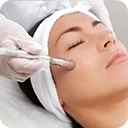
Microdermabrasion mechanically exfoliates the outermost skin layer using an abrasive tip or fine crystals, usually with suction. It can leave skin feeling smoother and may improve the appearance of dullness or mild surface roughness.
Recovery is often brief, although temporary redness, tightness, or sensitivity can occur. The procedure does not reach deeply enough to meaningfully remodel most indented acne scars.
Its role in active acne is limited. Scrubbing or suction over inflamed lesions may worsen irritation, so it is generally a poor choice during a significant inflammatory breakout. People with rosacea, eczema, fragile skin, or an impaired skin barrier may also need another approach.
For someone whose acne is controlled but whose skin feels rough, carefully performed microdermabrasion may be reasonable. For someone with painful, inflamed pimples, controlling inflammation is the better priority.
Laser Resurfacing: More Relevant to Scars Than Routine Breakouts
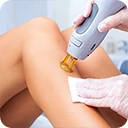
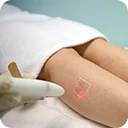
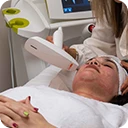
Laser resurfacing uses controlled energy to injure selected areas of skin and stimulate repair. It may improve certain acne scars, wrinkles, and sun-related changes. Different devices produce very different levels of injury.
Ablative lasers remove tissue and usually involve more recovery. Nonablative lasers heat tissue without removing the surface in the same way. Fractional devices treat microscopic columns of skin while leaving surrounding areas untreated, which can support healing.
These categories overlap. A laser can be both fractional and ablative, for example. That is why a device name or the word “laser” alone tells you little about the likely experience.
Scar Shape Matters
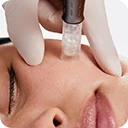
Broad, shallow depressions may respond differently than narrow, deep scars. Rolling scars may have bands of tissue pulling the skin downward, while raised scars require another strategy.
A practitioner may recommend combining resurfacing with treatments such as subcision, microneedling, or targeted scar procedures. Laser treatment alone is not always the best approach.
Improvement is gradual as tissue heals and remodels. Several sessions may be needed, and complete scar removal is not a realistic promise. Active acne is usually brought under control first to reduce the likelihood of new scars forming during treatment.
Skin Tone Is Part of the Assessment
Laser resurfacing is not restricted to fair skin. However, some devices and treatment settings carry a higher risk of burns or post-inflammatory pigmentation in darker skin tones.
A clinician’s experience treating your skin tone is important. Ask about the specific device, settings, pigment risks, and whether a test spot is appropriate. A recent tan also affects safety, regardless of your usual complexion.
Downtime can range from temporary redness to a period of wound care, swelling, crusting, and prolonged sensitivity. “Minimal downtime” should always come with a clear explanation.
Laser Skin Rejuvenation: Ask What the Treatment Actually Is
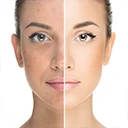
“Skin rejuvenation” is a broad label rather than a precise procedure. It may describe treatments intended to improve redness, pigmentation, texture, or fine lines.
Some treatments marketed alongside lasers use intense pulsed light, or IPL, which is not a laser. Vascular devices target blood vessels, while other devices target pigment or heat the skin to encourage collagen remodeling.
For acne-prone skin, matching the device to the concern is essential. Persistent red marks may need a different approach than brown discoloration or indented scars. Melasma can also resemble other pigmentation problems and may worsen with inappropriate heat-based treatment.
Certain light and laser treatments are used for active acne, but this does not mean every rejuvenation treatment controls breakouts. Ask which concern the proposed device treats and how success will be measured.
How to Compare Your Options Before Booking
A useful consultation should produce a specific plan, not simply a recommendation for the strongest treatment available.
Bring a list of skincare products, medications, supplements, previous procedures, and reactions. Mention pregnancy, a tendency to develop raised scars, cold sores, recent tanning, and any history of pigment changes after skin injury.
Tell the practitioner about current or past isotretinoin use. The appropriate timing of procedures depends on the procedure and individual circumstances, so this needs a personalized assessment rather than a blanket rule.
These questions can make the discussion more practical:
-
What are we treating: active acne, discoloration, redness, or scars?
-
Why is this procedure suitable for my skin tone and sensitivity?
-
What improvement is realistic, and how many sessions might be needed?
-
What are the likely side effects, recovery requirements, and total costs?
-
Who performs the procedure, and how are complications managed?
-
Which products or medications should I adjust, and for how long?
A reassuring consultation includes reasons to delay treatment when necessary. If your skin is already burning or peeling from an aggressive home routine, adding another exfoliating procedure may make things worse.
Keep the Daily Routine Working in Your Favor
Professional treatment results depend partly on what happens between appointments. A gentle cleanser, suitable moisturizer, and daily broad-spectrum SPF 30 or higher are sensible basics for most acne-prone skin.
Avoid the temptation to stack exfoliating acids, scrubs, retinoids, and procedures in pursuit of faster results. Irritation can make acne harder to manage and increase lingering discoloration.
Sun protection matters after peels and laser treatments, but it also matters on ordinary days. In places with frequent cloud cover, including Vancouver, ultraviolet exposure still occurs. Follow aftercare advice about sunscreen, shade, and protective clothing.
The best choice is the treatment that addresses your actual concern at an acceptable level of risk. Mild congestion may benefit from cautious extraction or a suitable superficial peel. Persistent inflammatory acne needs medical management. Scars may need a separate, carefully planned procedure once breakouts are controlled.
Clear goals make these decisions easier. Start by naming the problem, then choose the treatment, rather than the other way around.