
















Osteopathic Manual Therapy: A Holistic Approach for Vancouver Wellness
February 17, 2026
What Happens to Skin After Weight Loss: Expert Insights & Care
February 27, 2026
Hitting Reset on Your Skin: What Chemical Peels Actually Do
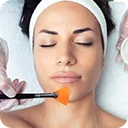
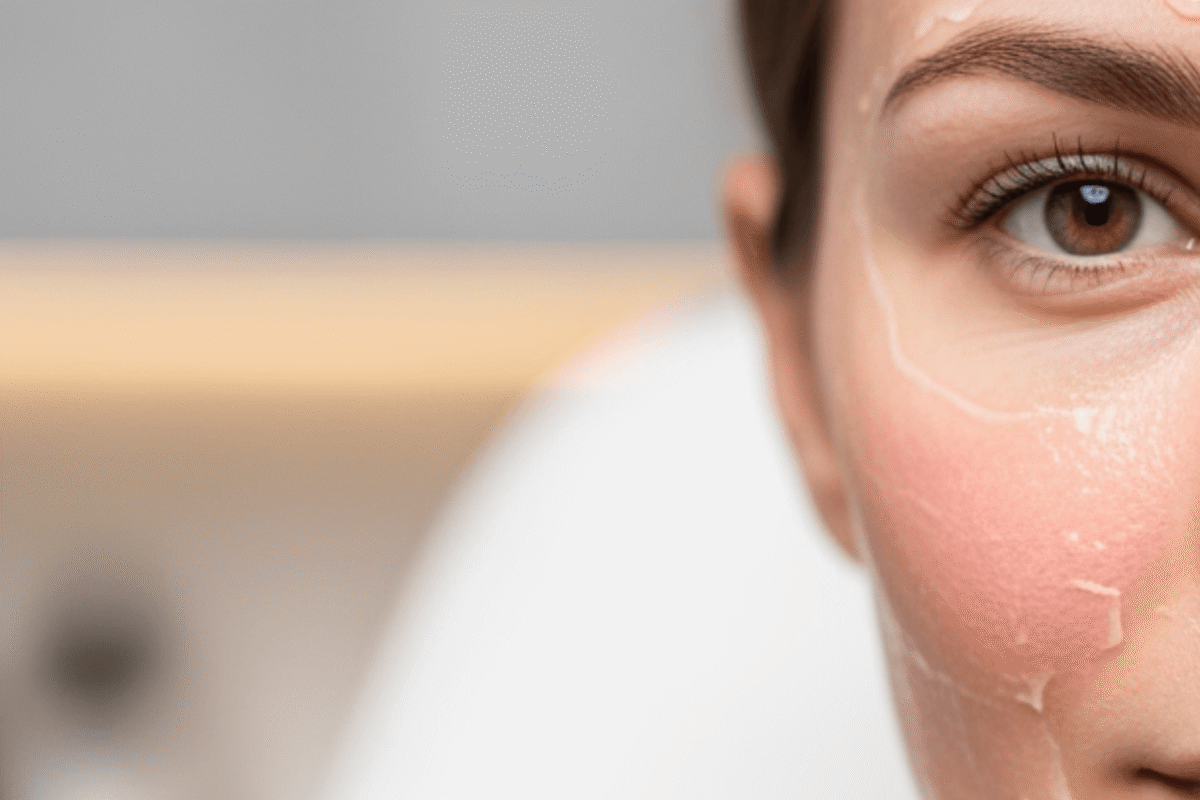
Chemical peels are often described as a “reset button” for your skin—and for good reason. These treatments use carefully selected acids to exfoliate the outermost layers of skin, removing built-up dead cells and surface imperfections. This controlled process triggers the skin’s natural healing response, prompting the regeneration of newer, healthier tissue. As the dull or damaged skin is shed, what emerges is a complexion that looks and feels fresher, smoother, and more radiant.
The science behind chemical peels involves applying a solution—commonly derived from acids like glycolic, lactic, or salicylic—at a specific strength and for a set period. These solutions break down the bonds between dead skin cells, allowing them to lift away. Depending on the type and depth of the peel, the treatment can target the surface layer (epidermis) for brightening and texture or reach slightly deeper layers to address more entrenched concerns.
By removing the tired top layer, chemical peels help reveal an even-toned, revitalized complexion beneath. This renewal isn’t just superficial; it stimulates collagen production and unclogs pores, making peels effective for a broad range of skin types and concerns. In essence, chemical peels act as a powerful “reset” for skin that looks and feels its best.
Key Benefits: From Acne Control to Radiant, Even-Toned Skin
Chemical peels offer an impressive spectrum of benefits, making them a favorite in professional skincare routines. One of their standout advantages is the ability to refine skin texture and enhance radiance. By promoting the shedding of old cells, peels leave the surface smoother, softer, and more luminous. This effect is often noticeable even after a single session, with improvements compounding over a series of treatments.
For those struggling with acne or persistent breakouts, chemical peels can be transformative. By exfoliating inside the pores and removing blockages, peels help minimize active blemishes and prevent new ones from forming. Over time, they can also reduce the appearance of post-acne marks and redness, supporting a clearer and more even complexion.
Fine lines, wrinkles, and other early signs of aging are also common targets for peels. The stimulation of collagen and accelerated cell turnover can soften the look of fine lines and help maintain youthful elasticity. Additionally, peels are well-known for fading hyperpigmentation, including sunspots, age spots, and melasma. Their ability to even out skin tone and reduce visible discoloration is a key reason they’re often recommended for those with sun damage or uneven pigmentation.
Finally, chemical peels are frequently used alongside other aesthetic treatments. Whether combined with facials, microneedling, or advanced laser procedures, peels amplify results by creating an optimal foundation for other therapies and topical skincare products.
Types of Chemical Peels and How They Compare to Other Skin Rejuvenation Options
A major appeal of chemical peels is their versatility—there are various formulations and strengths to suit individual skin needs. Some of the most popular types include glycolic acid peels, which use an alpha hydroxy acid to brighten and smooth the skin; Jessner peels, known for their ability to tackle acne, pigmentation, and textural issues; and signature blends like the Dermapure Signature Peel, which may combine multiple active ingredients for a tailored effect.
In professional settings, chemical peels are often listed alongside a range of resurfacing options. For example, procedures such as the MicroLaserPeel, CO2 laser, and fractional lasers take skin renewal a step further by using light energy to remove damaged layers or stimulate deeper collagen production. Photorejuvenation (IPL) treatments also address pigmentation and redness through targeted light pulses, while Clear + Brilliant offers gentle laser resurfacing for overall skin tone and texture improvement.
Alongside peels, clinics might offer advanced exfoliating facials like dermaplaning (which manually removes dead skin and fine hair), Hydrafacial (a multi-step cleansing and infusion treatment), or OxyGeneo (a technology-driven facial that exfoliates and oxygenates). While these treatments provide immediate smoothness and glow, chemical peels uniquely facilitate deeper, longer-lasting skin renewal.
Ultimately, choosing between peels and other rejuvenation methods depends on your skin concerns, desired downtime, and treatment goals. Professional evaluation ensures the most effective and safe approach, often combining several techniques for comprehensive results.
Who Is a Good Candidate? Safety, Professional Guidance, and Wellness Consultations
Chemical peels are suitable for a broad range of individuals—particularly those aiming to address concerns like persistent acne, uneven skin tone, surface pigmentation, or early signs of aging. If you have skin that feels dull or lacks radiance, or if you’re seeking to smooth fine lines and improve overall texture, a peel may be an excellent option.
However, the suitability of a chemical peel hinges on careful evaluation. Factors such as skin type, tone, existing sensitivities, and any underlying conditions must be considered to choose the right formulation and depth. This is why clinical supervision is crucial: a skilled professional can assess your unique skin profile, select the appropriate peel, and monitor your response to treatment, minimizing the risk of irritation or complications.
Some individuals may need to avoid peels temporarily, such as those with active skin infections, open wounds, or certain dermatological conditions. Pregnant or breastfeeding clients, as well as those on specific medications, should consult with a provider before proceeding.
A comprehensive wellness consultation is an essential first step. This appointment allows for a thorough discussion of your skin history, goals, and lifestyle, ensuring that any recommended treatment—whether a peel or an alternative—is safe, effective, and tailored to your needs. This personalized approach is at the heart of modern, professional skin rejuvenation practices.
Building a Holistic Skin Plan: Pairing Peels with Lasers, Facials, and At-Home Care
Achieving radiant, resilient skin is rarely the result of a single treatment. Instead, the most noticeable and lasting improvements come from an integrated approach. Chemical peels fit seamlessly into broader skin rejuvenation plans, often being paired with advanced technologies or clinical facials for synergistic effects.
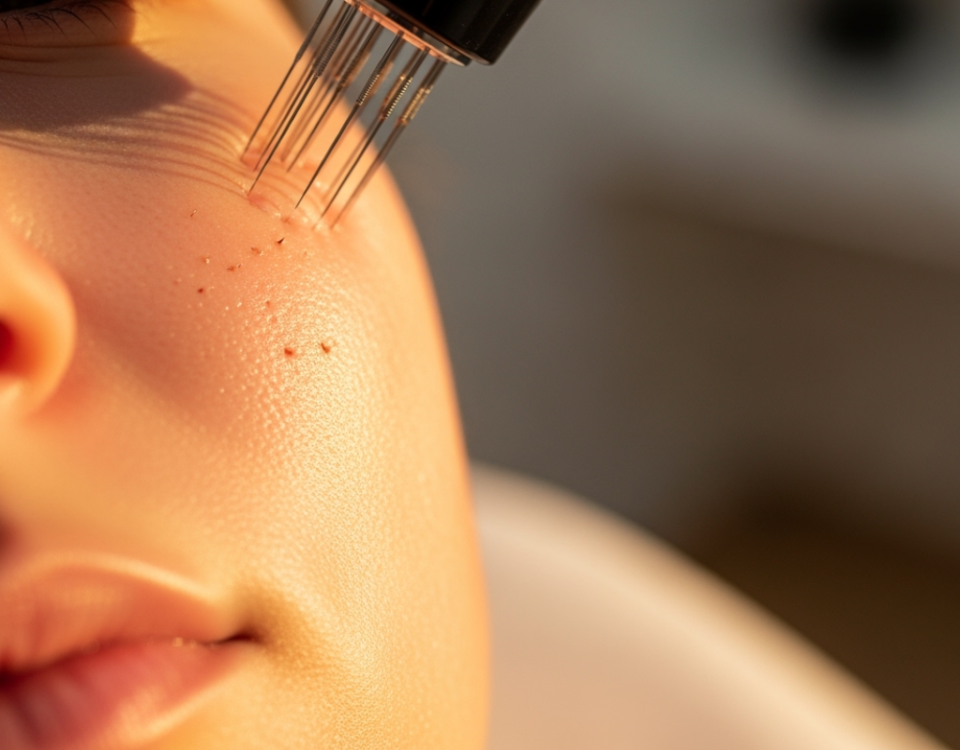
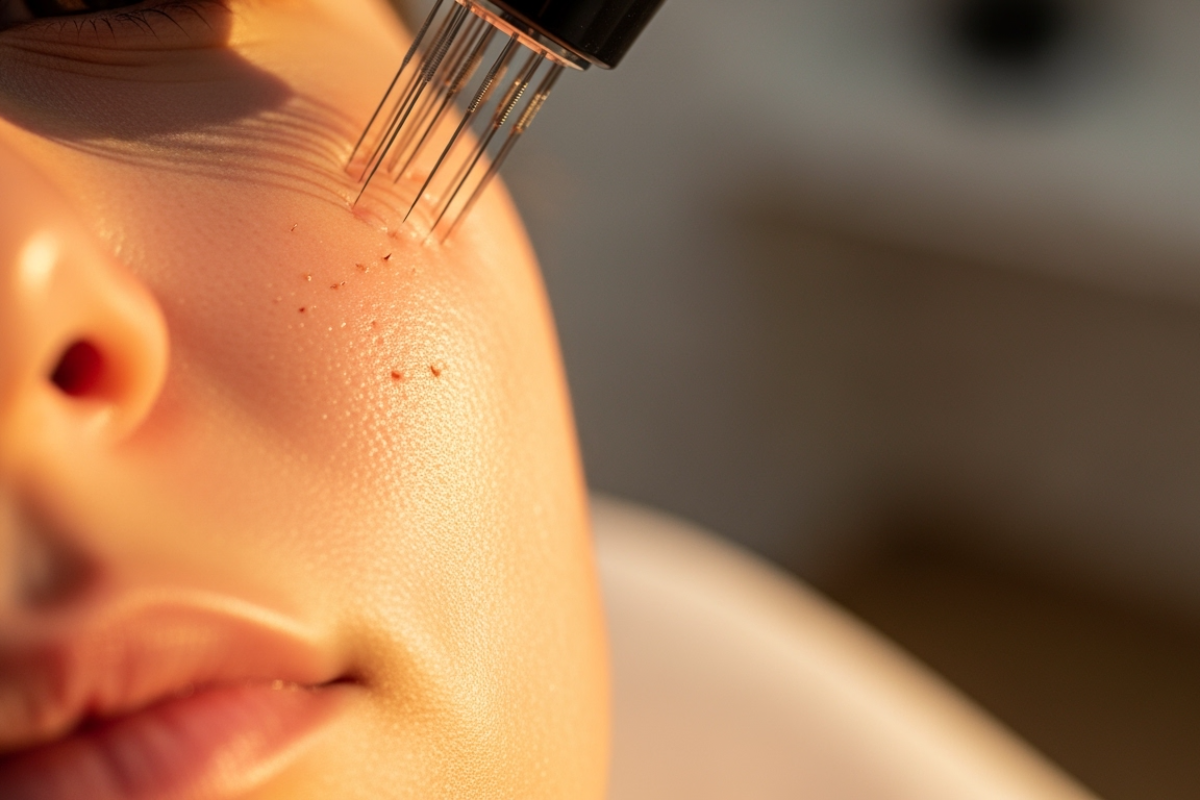
For instance, alternating peels with laser treatments like fractional resurfacing or photorejuvenation can address both surface and deeper concerns—such as pigmentation, texture, and collagen stimulation. Microneedling, another popular option, can further enhance skin firmness and refine pores, especially when scheduled between peel sessions. Even within facial treatments, options like Hydrafacial or OxyGeneo can prep the skin, making it more receptive to the active ingredients in peels.
Equally important is the role of professional-grade home-care products. A medical aesthetic provider can recommend cleansers, serums, and moisturizers that complement clinic treatments, supporting healing and prolonging results. Sun protection and gentle hydration are critical after peels to ensure the renewed skin stays healthy and vibrant.
A holistic plan typically starts with a thorough consultation, followed by a customized schedule of treatments spaced for optimal recovery and benefit. This might include a combination of peels, targeted lasers, nourishing facials, and a tailored skincare regimen. By taking a comprehensive, personalized approach, you empower your skin to look and feel its absolute best—now and for years to come.