






























Cupping Therapy Explained: Benefits for Wellness in Vancouver Clinics
November 26, 2025
How IV Lounges Are Revitalizing Wellness in Vancouver
December 15, 2025
The Foundation of Effective Skincare
Navigating the world of beauty and health services can often feel overwhelming, with countless products promising instant miracles. However, the secret to genuine skin rejuvenation and long-term health lies not in the most expensive bottle on the shelf, but in understanding the unique biological needs of your complexion. Effective skincare is fundamentally about customization; it requires a thoughtful approach that supports the skin’s natural barrier, balances hydration levels, and protects against environmental stressors. This is particularly true in climates like Vancouver, where environmental factors can fluctuate, requiring a resilient skincare strategy.
A customized routine does more than just clean your face; it serves as a daily ritual of self-care that supports overall wellness. When you identify what your skin specifically craves, you move away from trial-and-error purchasing and toward a strategic regimen that actually works. Whether you are looking to address specific concerns through wellness consultations or simply want to maintain a healthy glow at home, the first step is always education. By listening to your skin and responding with the right ingredients, you establish a foundation for lasting radiance and confidence.
Identifying Your Unique Skin Profile
Before you can select the appropriate cleansers or serums, you must accurately identify your skin type. This biological profile is determined by genetics, though it can be influenced by hormones, climate, and age. Misidentifying your type often leads to using products that exacerbate existing issues—such as stripping essential oils from dry skin or over-moisturizing oily zones—so taking time to observe your complexion is crucial.
Oily Skin is characterized by an overproduction of sebum. If you notice a persistent shine, particularly by midday, along with enlarged pores and a tendency toward acne breakouts, you likely fall into this category. The goal here is regulation rather than elimination of oil.
Dry Skin, conversely, often feels tight, especially after cleansing. You might observe flaky patches, a rough texture, or a dull appearance. This type lacks necessary lipids and struggles to retain moisture, requiring barrier-repairing ingredients.
Combination Skin is perhaps the most common and can be tricky to manage. It features an oily T-zone (forehead, nose, and chin) while the cheeks remain dry or normal. This duality often requires a strategic, zoned approach to product application.
Sensitive Skin is defined by its reactivity. If your face turns red easily, stings upon application of active ingredients, or flares up due to stress and environmental triggers, you have sensitive skin. The focus here must be on calming and strengthening the barrier.
Normal Skin represents a state of balance where oil and hydration levels are optimal. The texture is smooth, and pores are not significantly visible. While low maintenance, this type still requires consistent care to prevent future damage and maintain its equilibrium.
The Core Steps of a Balanced Regimen
Once you have determined your skin type, you can structure your daily routine around five core steps. These steps remain consistent across the board, but the specific formulations you choose will vary based on your needs. The objective is to cleanse, balance, treat, hydrate, and protect.
Cleansing is the non-negotiable first step. For oily or combination skin, a foaming or gel cleanser containing salicylic acid helps penetrate pores and dissolve excess oil. Those with dry or sensitive skin should opt for cream or milk cleansers rich in glycerin or aloe, which remove impurities without stripping the moisture barrier. Normal skin types benefit from a gentle, pH-balanced wash.
Toning has evolved significantly from the harsh, stinging astringents of the past. Modern toners are designed to restore pH balance and prep the skin for treatment. Always choose alcohol-free formulas. Ingredients like niacinamide help regulate oil, while rose water offers soothing properties for sensitive complexions.
Serums are the powerhouses of your routine, delivering concentrated actives. For hydration, hyaluronic acid and peptides are universal favorites. If brightening is your goal, look for Vitamin C or niacinamide. For skin rejuvenation and anti-aging, retinol and growth factors are the gold standard, though they should be introduced gradually.
Moisturizing seals in the serum and protects the barrier. Oily types should look for lightweight, oil-free gels that hydrate without clogging pores. Dry skin requires richer creams containing ceramides or shea butter to lock in moisture. Sensitive skin demands fragrance-free, simple formulas to avoid irritation.
Finally, Sunscreen is the most critical step for preventing premature aging and damage. A broad-spectrum SPF 30+ must be applied every morning, regardless of the weather. This protects against sunburn, hyperpigmentation, and the breakdown of collagen.
Tailoring Your Routine and Weekly Additions
While the core steps provide a framework, the nuances of your routine are where the real magic happens. Tailoring your approach ensures that you are addressing specific concerns effectively without causing collateral damage to your skin’s health.
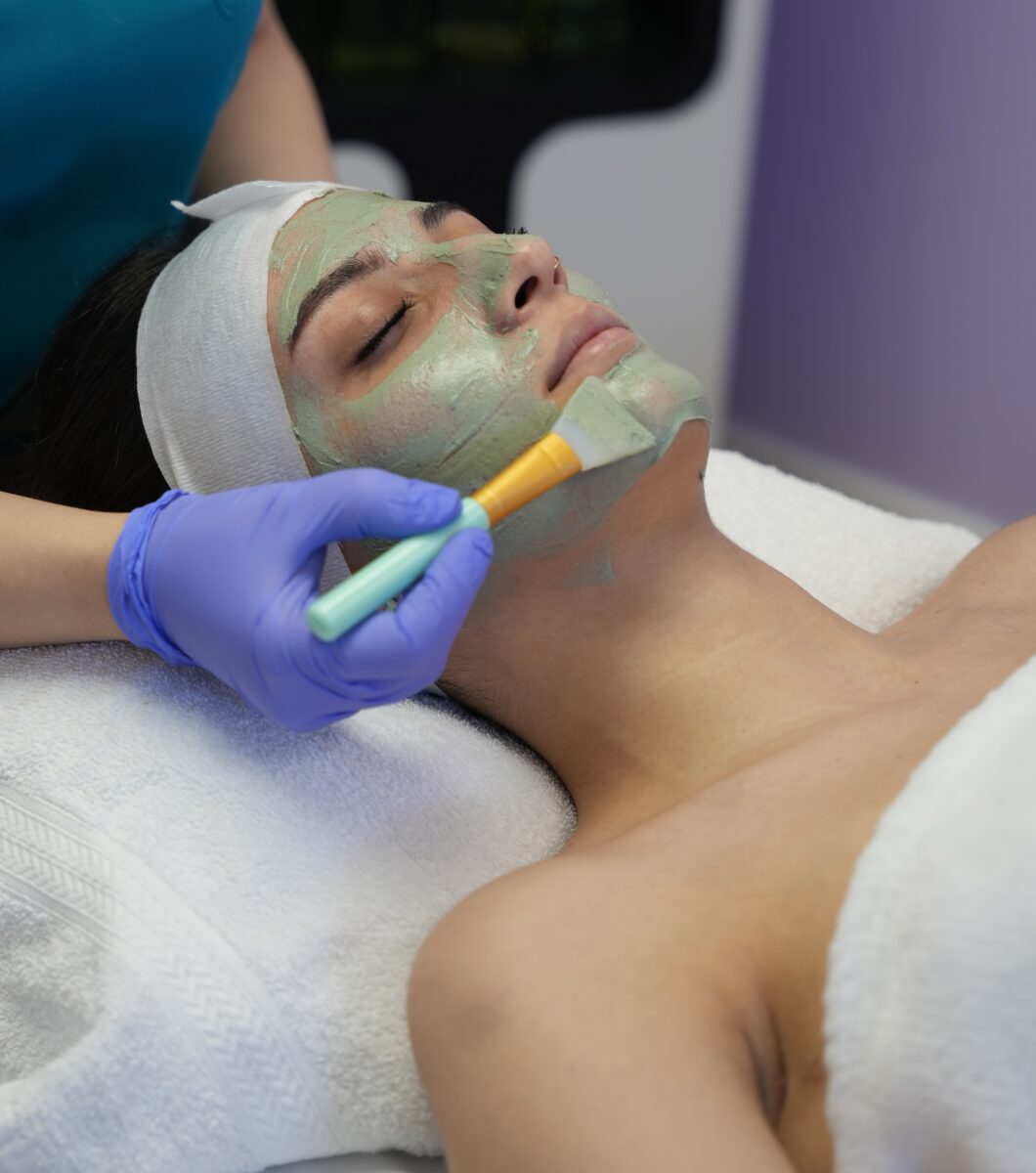
For Oily Skin, incorporating niacinamide can be a game-changer for regulating sebum production over time. A common mistake is over-cleansing, which strips the skin and triggers it to produce even more oil. Instead, use a clay mask once a week to absorb impurities and control shine.
Dry Skin benefits immensely from layering. Apply your toner, then your serum, and seal it immediately with a moisturizer while the skin is still damp. Avoid alcohol-based toners and harsh physical scrubs. In drier climates or during winter, using a humidifier in your bedroom can help retain moisture overnight.
Combination Skin requires a balanced hand. You might need to “multi-mask,” applying a clay mask to your T-zone and a hydrating mask to your cheeks. Stick to lightweight hydration that won’t clog pores in oily areas but is sufficient for dry zones.
Sensitive Skin requires caution. Always patch-test new products behind your ear before applying them to your face. Seek out calming botanical ingredients like chamomile, oat extract, and panthenol. Avoid synthetic fragrances and high concentrations of alcohol, as these are common irritants.
Normal Skin creates the perfect canvas for preventive care. Focus on maintaining that natural balance with antioxidants and daily SPF to ward off environmental damage. Keep the routine simple; overloading balanced skin with too many actives can sometimes disrupt it.
Beyond daily care, weekly treatments like Exfoliation and Masks elevate your results. Exfoliating 1–2 times a week removes dead skin cells, improving texture and absorption of other products. Chemical exfoliants (AHAs like lactic acid or BHAs like salicylic acid) are often gentler and more effective than gritty physical scrubs. Pair this with a mask suited to your current skin condition—clay for detoxifying, or a nourishing sheet mask for hydration.
The Power of Consistency and Patience
In a world accustomed to instant gratification, skincare requires a shift in mindset. It is important to remember that skin renewal is a biological process that takes time. The average skin cycle—the time it takes for new cells to travel from the deepest layer to the surface—is approximately 28 days. This means that judging a new product or routine after only a few days is often premature.
Real, visible change typically occurs after consistent use for four to six weeks. During this period, consistency is far more valuable than intensity. Using a gentle retinol consistently will yield better results than applying a harsh peel once and giving up due to irritation. Stick to your regimen morning and night, allowing the ingredients to work cumulatively.
Building the perfect routine is a journey of listening to your body. By identifying your specific skin type, choosing targeted ingredients, and maintaining a disciplined schedule, you support your skin’s natural ability to repair and protect itself. The result is not just a temporary improvement, but balanced, hydrated, and naturally glowing skin that supports your overall confidence and well-being.