



















If you deal with heavy underarm sweating, you already know how quickly people minimize it.
“Just use a stronger antiperspirant.” “Wear black.” “Bring an extra shirt.”
Sometimes those tips help a little. Sometimes they do almost nothing. That is usually the point where people start wondering whether this is more than “just sweating.”
From a nurse injector’s point of view, that question matters. There is a difference between normal sweating and underarm hyperhidrosis, and that difference changes the conversation. When sweating starts interfering with work, clothing choices, social comfort, or your day-to-day routine, Botox can be a very reasonable treatment to talk about.
This article walks through what underarm hyperhidrosis is, how Botox helps, what the treatment feels like, who tends to be a good candidate, and what kind of results people can realistically expect.
What underarm hyperhidrosis actually is
Hyperhidrosis is a medical condition that causes sweating beyond what your body needs for temperature control. In plain terms, it means you sweat more than makes sense for the situation.
That might look like:
-
sweat soaking through shirts even when the room is cool
-
noticeable underarm wetness during meetings, commutes, or quiet daily activities
-
needing to change clothes partway through the day
-
avoiding certain fabrics or colors because sweat marks show too easily
-
feeling anxious about sweating, then sweating more because of the anxiety
A lot of people with underarm hyperhidrosis are not drenched after a workout. They are sweating during ordinary moments. Sitting at a desk. Standing in line. Going out to dinner. Giving a presentation. That is part of why it can feel so frustrating. It does not always match effort, heat, or stress in a predictable way.
It is also more disruptive than people sometimes admit out loud. I think that gets overlooked. Excessive underarm sweating can sound like a small issue until you are the one planning your clothes around it every day.
Why Botox is used for sweating
Most people know Botox as a cosmetic injectable, but it also has medical uses. Treating underarm hyperhidrosis is one of them.
Botox works by blocking the nerve signals that tell sweat glands to activate. When those signals are interrupted in the treated area, the sweat glands produce much less sweat. The goal is not to change your whole body. The goal is to quiet down the underarm sweat glands that are overreacting.
This is a localized treatment. The medication is placed into the skin of the underarms, where those glands are active. That is an important point because people sometimes worry that reducing underarm sweating will somehow stop them from cooling down properly. In practice, your body still has many other ways to regulate temperature. Treating the underarms does not shut down sweating everywhere else.
It is not a permanent fix, and it does not cure the underlying tendency to sweat. What it often does is give people a stretch of time where the problem is much more manageable. For many patients, that relief feels huge.
Who tends to be a good candidate
Botox for underarm sweating is usually considered when sweating is significant enough to affect daily life and simpler measures have not been enough.
You may be a good candidate if your underarm sweating is doing things like:
-
interfering with work, social situations, or comfort
-
staining clothes or forcing frequent outfit changes
-
continuing despite regular use of antiperspirants
-
happening even when you are not hot or physically active
-
causing embarrassment or making you avoid certain activities
Many people try lifestyle adjustments first. They switch deodorants, try clinical-strength antiperspirants, change fabrics, shave the area, carry backup clothing, or avoid caffeine and spicy foods. None of that is unreasonable. But if you have done the trial-and-error cycle and still feel stuck, it makes sense to ask about medical treatment.
A consultation is the right place to sort this out. A trained injector or medical provider can help confirm whether what you are experiencing sounds like underarm hyperhidrosis, review your health history, and talk through whether Botox fits your goals.
What the appointment is like
People usually expect this treatment to be more dramatic than it is. In reality, it is a straightforward in-office procedure.
The first step is assessment. Your injector looks at the area, asks about how often the sweating happens, how severe it feels, what you have already tried, and whether anything seems to trigger it. This conversation matters because treatment is more than just “put Botox in the underarms.” Dose, placement, and expectations all depend on the person sitting in front of you.
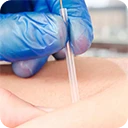
Once the plan is set, the underarm area is cleaned. Some providers use a marking pattern to map the injection points. Botox for hyperhidrosis is usually placed through multiple small injections across each underarm, rather than one or two deeper injections. That pattern helps distribute the medication through the area where the sweat glands are active.
The needle is very fine, but yes, you will feel it. Most people describe the sensation as quick pinches or stings. It is usually tolerable, and the appointment itself is brief. If someone is especially sensitive, clinics may offer ways to make the treatment more comfortable, such as ice or numbing measures, depending on the provider’s approach.
Afterward, there is little to no downtime. Most people go right back to normal daily activities.
That is one reason this treatment appeals to busy adults. It does not usually require taking a day off, arranging major recovery time, or dramatically adjusting your schedule.
How soon results show up, and how long they last
Botox does not stop sweating the second you leave the treatment room. This part is worth saying clearly because expectations can get weird fast.
Most patients start noticing a reduction in sweating within several days, with fuller results developing over about one to two weeks. Some people notice improvement sooner. Some need a little more patience. Bodies are not machines, and response times vary.
Once it kicks in, the reduction in underarm sweating can be significant. For some, that means fewer sweat marks. For others, it means finally wearing certain fabrics again, not carrying extra shirts, or getting through a workday without thinking about their underarms every hour.
The effect is temporary. Maintenance treatments are needed because the nerve signaling gradually returns. Many patients repeat treatment every few months, often somewhere around twice a year, though the exact schedule depends on how long their results last and how much sweating returns.
This is something I think patients appreciate hearing upfront: there is no prize for pretending maintenance is not part of the plan. Botox works well for many people, but it is not one-and-done.
The benefits go beyond staying dry
The obvious benefit is less sweat. But in practice, the day-to-day payoff is often bigger than that.
People usually talk about comfort first. Shirts feel less clingy. There is less checking in mirrors, less blotting, less worrying about visible marks. Then confidence comes up. That makes sense. Excessive sweating can make even simple situations feel loaded, especially when you are meeting people, working closely with others, or dressing for an event.
There is also the mental relief. Constantly anticipating sweat is tiring. It turns into background noise that follows you around. When treatment works well, that noise drops. You may not think about it until you realize you have gone half a day without checking your underarms.
I would not call that a small win.
Side effects and safety: what is normal, what is not
When Botox is performed by a trained medical professional, side effects for underarm hyperhidrosis are usually mild and temporary.
The most common issues are the ones you would expect from a series of small injections:
-
mild soreness
-
tenderness
-
slight swelling
-
tiny bruises
-
temporary redness
These usually settle on their own.
Serious complications are uncommon, but that does not mean consultation is optional. Your provider should review your medical history, medications, allergies, previous reactions to injectables, and any conditions that may affect treatment safety. Good screening is part of good care.
It is also worth understanding the limits of the treatment. Botox helps control sweating in the treated area. It does not cure hyperhidrosis forever. It does not treat every possible cause of sweating, either. If someone has generalized sweating, new unexplained sweating, or symptoms that suggest a broader medical issue, that deserves proper medical assessment.
That is why I tend to think the best consultations are the least rushed ones. Sweating can be simple. Sometimes it is not.
Common questions patients ask
“Will I still sweat at all?”
Probably some, yes. The goal is major reduction, not always complete dryness. Some patients get very close to dry. Others still sweat a bit, just far less than before. Either outcome can be a big improvement if your starting point is severe.
“Will my body sweat more somewhere else?”
With underarm Botox, compensatory sweating is not usually the big concern that people fear. Your body still regulates temperature through other sweat glands. Treating the underarms does not typically mean the rest of your body suddenly takes over in a dramatic way.
“Does it hurt?”
It is not usually described as pleasant, but it is brief and manageable for most people. The underarm skin can be sensitive, so you should expect some stinging with the injections. Still, the treatment is quick, and people are often relieved by how fast it goes.
“Do I need downtime?”
Usually not much. Mild soreness or redness can happen, but most people return to work, errands, or normal routines the same day.
“How often will I need it?”
That depends on how long your results last. Many people repeat treatment every several months. Your provider will often suggest a rough maintenance range based on your response after the first session.
“Can I do this if antiperspirants sort of help, but not enough?”
Yes, that is actually common. Many candidates are not people for whom every product failed completely. They are people who still feel bothered despite trying reasonable first-line options.
What to do before and after treatment
You do not need an elaborate prep routine, but a few basic steps can make the process smoother.
Before treatment, follow any instructions your provider gives you. They may ask about shaving, deodorant use, exercise, or medications that can affect bruising. If you are prone to bruising easily, say so. That is useful information.
After treatment, keep things simple. Your injector may advise you to avoid irritating the area for a short time and to hold off on certain activities right away, depending on their protocol. Mild tenderness is normal. Harsh rubbing is usually not helpful.
The biggest aftercare point is patience. Results build over days, not minutes.
When it is time to book a consultation
There is no perfect threshold where sweating becomes “bad enough” on paper. But there is a very real quality-of-life threshold, and patients usually know when they have crossed it.
If you are planning your clothes around sweat, carrying backups, feeling embarrassed regularly, or avoiding normal situations because of underarm sweating, that is enough reason to ask questions. You do not need to wait until it feels unbearable.
A consultation helps sort through a few practical things: whether your sweating pattern sounds like underarm hyperhidrosis, whether Botox is a good fit, how much treatment you may need, what the cost and maintenance schedule might look like, and what kind of result is realistic for you.
That last point matters most. Good treatment starts with honest expectations.
The bottom line
Underarm hyperhidrosis is more than an inconvenience for many people. It can affect comfort, confidence, clothing choices, and daily routines in a way that feels exhausting over time.
Botox is a well-known option because it directly targets the nerve signals that trigger sweating in the underarms. The treatment is quick, minimally invasive, and often very effective for the right patient. Results are temporary, so repeat sessions are part of the deal, but many people decide the trade-off is worth it.
If antiperspirants and lifestyle changes have not done enough, it is reasonable to speak with a trained injector or medical provider. A good consultation should leave you with a clear picture of whether you are a candidate, what treatment involves, and what kind of improvement you can expect.
Sometimes dry underarms sound like a minor goal. Then you meet someone who has been dealing with this for years, and it does not feel minor at all.