















If you are curious about Botox but not ready to walk into an appointment blind, you are in the right place. A lot of people hear about Botox through friends, social media, or quick before and after photos, then realize they still do not really know what it is, what it does, or whether it fits their goals.
That hesitation is reasonable.
Botox is one of the most common cosmetic injections used for wrinkle reduction, but common does not always mean well understood. If you are new to anti-wrinkle treatment and want a clear, practical introduction before taking action, this guide covers the basics without the hype.
What Botox actually is
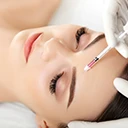
Botox is a purified form of botulinum toxin type A. In cosmetic medicine, tiny amounts are injected into specific facial muscles to temporarily reduce their movement. When those muscles relax, the skin above them creases less, which softens the look of certain lines and wrinkles.
That is the core idea. Simple, but easy to overcomplicate.
Botox is mainly used for dynamic wrinkles. These are the lines that form because of repeated facial expressions like frowning, squinting, or raising your eyebrows. Over time, those movements can leave visible marks even when your face is at rest.
This is why Botox is often used as an anti-wrinkle treatment for:
-
forehead lines
-
frown lines between the brows
-
crow’s feet around the eyes
It is a non-surgical beauty treatment, which is a big part of its appeal. There are no incisions, no general anesthesia, and usually very little downtime. For many people, Botox feels like a manageable first step into facial rejuvenation because the procedure is quick and the results are temporary.
What Botox can help with, and what it cannot
Botox is good at relaxing movement-related lines. It is not a fix for every sign of aging.
That difference matters.
If your wrinkles are mostly caused by muscle movement, Botox can make a noticeable improvement. If your concern is volume loss, skin laxity, uneven texture, sun damage, or deep static lines that are present even when your face is completely still, Botox may only help a little, or it may not be the main treatment you need.
Here is the practical way to think about it:
Botox helps when muscle movement is the problem.
Botox helps less when the issue is lost volume, sagging, or skin quality.
This is why some people love their Botox results, while others feel underwhelmed. Sometimes they expected Botox to do a filler’s job. Sometimes they expected it to replace skincare. It cannot.
Botox can soften fine lines and improve wrinkle reduction in the upper face. It can support a more rested, smoother, youthful appearance. What it cannot do is completely reshape your face or erase every sign of aging.
Honestly, that is a good thing. The best Botox usually looks subtle.
Why people choose Botox in the first place
Most people are not chasing perfection. They just want to look a bit less tired, less tense, or less bothered by lines that seem to show up in every photo.
That is a very normal reason to consider Botox.
People often choose Botox because it is:
-
quick
-
temporary
-
non-surgical
-
widely studied
-
usually associated with minimal downtime
For someone with a busy schedule, that matters. A Botox appointment can often fit into a lunch break. You might have a few tiny marks or mild redness right after, but many people go back to work or regular activities the same day.
Another reason Botox stays popular is that results can be adjusted over time. If you like a softer effect, future treatment can be planned with that in mind. If you want a bit more movement preserved, that can often be discussed too. Good cosmetic injections should look intentional, not obvious.
Common treatment areas for Botox
When people picture Botox, they usually think of forehead lines. That is only one part of the story.
Common cosmetic uses include the following areas.
Forehead lines
These are the horizontal lines that appear when you raise your eyebrows. Botox can soften them, but this area needs balance. Too much relaxation without careful planning can make the brows feel heavy. A thoughtful approach matters here.
Frown lines
Also called glabellar lines or the “11s,” these appear between the eyebrows when you frown or concentrate. This is one of the most common Botox treatment areas because the lines can make a person look stressed or angry even when they are not.
Crow’s feet
These are the lines at the outer corners of the eyes. Botox can soften them while still allowing natural expression. That natural look is often the goal.
Other areas
Depending on the provider and the person’s anatomy, Botox may also be used in other parts of the face for cosmetic reasons. These can include a brow lift effect, chin dimpling, jawline slimming, or neck bands. Those uses are more individualized and should be discussed carefully during consultation.
If you are just starting out, many first-time patients focus on the upper face because it is where Botox is most commonly used and best understood.
What a first Botox appointment usually looks like
First appointments are often less dramatic than people expect. There is no long recovery room scene. No bandages. No disappearing from public view for two weeks.
A typical Botox visit includes a few basic steps.
-
You talk through your goals, medical history, and any concerns.
-
The injector studies your facial movement at rest and during expression.
-
The treatment area is cleaned, and small injections are placed in targeted muscles.
-
You receive aftercare instructions and leave shortly after.
That is it.
The injection part is usually quick. Many people describe the sensation as a small pinch. It is not fun, but it is brief. If you are worried about pain, tell the injector. Even a calm explanation of what is happening can make the whole experience easier.
The consultation matters more than people think. A good provider does not just ask, “What area bothers you?” They also look at muscle strength, brow position, facial symmetry, and the way your face moves. Botox is not paint-by-number medicine. Two people can both want forehead treatment and need completely different plans.
When results appear, and how long they last
This is where expectations often get messy.
Botox does not work instantly. Some people notice early changes within a few days, but full results usually take around 10 to 14 days. If you look in the mirror the next morning and see no difference, that is normal.
The smoothing effect is temporary. Many people notice results lasting about three to four months, though that varies. Metabolism, muscle strength, treatment area, dose, and past treatment history can all affect duration.
If you like the result and want to maintain it, ongoing appointments are usually needed. That does not mean you are locked in forever. It just means Botox is temporary by design.
Once it wears off, muscle activity gradually returns and the lines may start to reappear. They do not suddenly snap back overnight.
How much Botox do you need?
This is one of the most common first-timer questions, and the honest answer is that it depends.
The amount of Botox used is measured in units. The right number of units depends on things like:
-
the treatment area
-
the strength of your facial muscles
-
your anatomy
-
your goals
-
whether you want a very soft result or a stronger smoothing effect
A person with stronger frown muscles may need more than someone with lighter movement. Someone treating both forehead lines and crow’s feet will likely need more units than someone treating one small area.
This is why comparing your Botox plan to a friend’s plan is usually useless. Even if you are the same age, your face is not the same face.
Botox vs fillers, skincare, and other treatments
Botox gets lumped together with lots of other aesthetic treatments, but it does a specific job.
Botox relaxes muscles.
Dermal fillers add volume.
Skincare works on the surface and supports skin health over time.
Laser and resurfacing treatments target issues like texture, pigment, and collagen changes.
These categories overlap, but they are not interchangeable. If your main concern is deep smile lines caused by volume loss, Botox may not be the star treatment. If your concern is expression lines in the upper face, Botox may be exactly the right place to start.
For many people, facial rejuvenation works best when expectations are matched to the right tool. That sounds obvious, but it is where a lot of confusion comes from.
Safety, side effects, and who should be cautious
Botox is widely used and generally considered safe when administered by a qualified medical professional. That said, safe does not mean casual.
This is still a medical treatment.
Common temporary side effects can include:
-
mild redness
-
swelling
-
tenderness
-
bruising
-
a headache
Less common issues can include asymmetry, an overly heavy feeling in the brow, or eyelid drooping if the product affects nearby muscles. Those risks are one reason injector skill matters so much.
Botox may not be suitable for everyone. A full consultation is important if you are pregnant, breastfeeding, have certain neuromuscular conditions, have had past reactions to botulinum toxin products, or take medications that could affect treatment decisions.
If a clinic rushes through your medical history, I would take that seriously. Fast is fine. Careless is not.
Botox myths that confuse a lot of beginners
Some Botox myths refuse to die, so it helps to clear them up.
“Botox will make me look frozen”
Bad Botox can look stiff. Well-placed Botox usually does not. The goal for many people is wrinkle reduction with preserved expression, not a blank forehead and a surprised face forever.
“Botox is only for older people”
Not really. Some people start when lines are already established. Others choose earlier treatment for lines that are starting to settle in. Preventive Botox is a personal choice, not a requirement.
“Botox is the same as filler”
It is not. Botox and filler work in different ways. Mixing them up leads to unrealistic expectations.
“Once you start, you can never stop”
You can stop. If you do, the effect fades and muscle movement gradually returns. You will not be “worse than before” because Botox somehow ruined your face. You will simply lose the temporary effect.
Questions worth asking before you book
A consultation should leave you better informed, not pressured. If you are considering Botox, these are smart questions to ask:
-
What areas do you recommend treating, and why?
-
How many units do you expect to use?
-
What result is realistic for my lines?
-
When should I expect to see the full effect?
-
What side effects should I watch for?
-
What if I want a very natural result with some movement left?
You do not need to sound like an expert. You just need clear answers.
If you are looking for Botox in Vancouver
If you are searching for Botox Vancouver options, try not to choose a provider based on price alone. I get the temptation. Cosmetic injections can look simple from the outside, and discount offers are easy to find. But Botox is heavily technique-dependent.
What matters most is careful assessment, appropriate dosing, a clean medical setting, and a provider who understands facial anatomy. You want someone who listens to your goals, explains what Botox can and cannot do, and is honest if another approach would suit you better.
This is one of those services where “natural-looking” depends on judgment, not just product.
Aftercare basics
After Botox, your provider will give you specific instructions. These can vary a bit, but common guidance often includes avoiding rubbing the treated area right away and being mindful about intense exercise for a short period.
The big picture is simple. Give the treatment time to settle, follow instructions, and do not judge the result too early.
You also do not need to panic over every tiny sensation after treatment. Mild tenderness or little bump-like spots right after injections can happen and often settle quickly.
Is Botox right for you?
Botox can be a good fit if you want a non-surgical beauty treatment for expression lines, prefer little downtime, and like the idea of temporary results. It may be especially appealing if you want soft facial rejuvenation rather than a dramatic change.
It may be less satisfying if you want one treatment to fix every sign of aging, or if your main concern is something Botox is not designed to treat.
That is why the consultation matters so much. The right plan starts with matching your goals to the right treatment, not forcing every concern into the Botox category.
The bottom line
Botox is a popular anti-wrinkle treatment for a reason. It can soften fine lines, reduce the look of movement-related wrinkles, and support a smoother, more youthful appearance without surgery. For many people, it is a practical first step into cosmetic injections because the process is quick and the results are temporary.
Still, Botox works best when you understand what it is actually for.
If you are new to Botox, focus on the basics: what lines bother you, what kind of result you want, and whether your expectations match what botulinum toxin can realistically do. That kind of clarity makes the whole decision easier.
And honestly, that is the part I like most. Good Botox is usually not about looking like someone else. It is about looking like yourself, just a little less tired when you catch your reflection.