





























If you are curious about acupuncture but still feel a little skeptical, that is normal. A lot of people hear “needles” and stop right there. I get it. The word alone can make the whole thing sound more intense than it usually is.
Acupuncture is one of those treatments people often hear about before they really understand it. A friend says it helped their back pain. Someone else swears it calmed their stress. Then you see it offered alongside other health services or at a beauty clinic that also does skin rejuvenation, laser hair removal, or body contouring, and now it feels even less clear what acupuncture is actually for.
This guide is for that exact moment. No hype. No mystery. Just the basics you should know before booking anything.
What acupuncture is
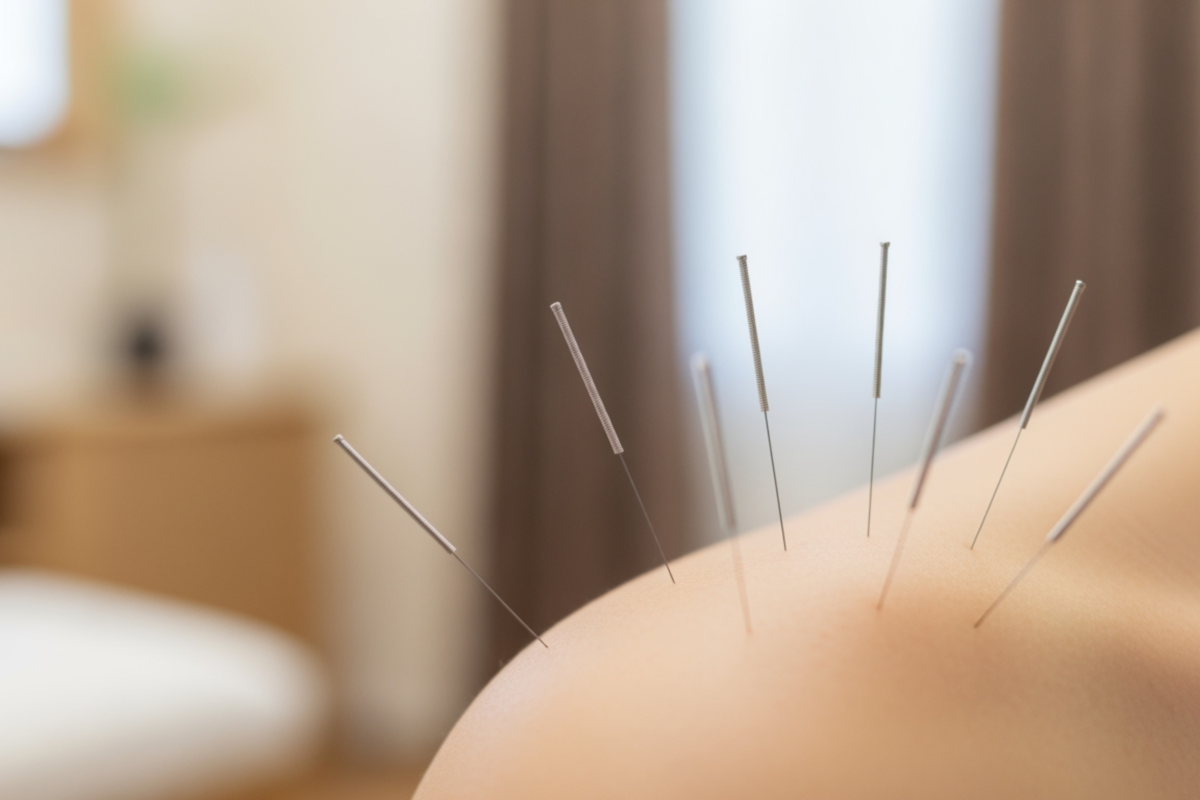
Acupuncture is a treatment that involves placing very thin needles at specific points on the body. It comes from traditional Chinese medicine, where the idea is that health depends on the balanced flow of energy through channels in the body. Acupuncture is used to correct imbalances and support healing.
That traditional explanation is still important because it shapes how many acupuncturists assess and treat patients. At the same time, modern research often describes acupuncture in different terms. Researchers look at how needling may affect nerves, blood flow, connective tissue, and the release of chemicals involved in pain and stress responses.
Both frameworks exist side by side. You do not have to fully buy into either one to understand the practical part: acupuncture is commonly used to help manage symptoms and support overall well-being.
The needles are much thinner than the ones used for injections or blood tests. That matters. People who are nervous about needles often imagine something much larger than what is actually used.
Why people try acupuncture
Most people do not start acupuncture because they want a history lesson on traditional Chinese medicine. They start because something hurts, feels off, or keeps bothering them.
Common reasons people seek acupuncture include:
-
Chronic pain, such as low back pain, neck pain, or shoulder tension
-
Headaches and migraine prevention
-
Stress and anxiety symptoms
-
Sleep problems
-
Muscle tightness and recovery support
-
Menstrual discomfort
-
General wellness support
Pain management is where the evidence is strongest. Research suggests acupuncture can help some people with chronic pain conditions, including low back pain, osteoarthritis, neck pain, and some headache disorders. It is not magic, and it does not work equally well for everyone, but it is reasonable for many people to consider as part of a broader care plan.
Stress is trickier. Lots of people say acupuncture helps them feel calmer, more grounded, or less wound up. That is real experience, and it matters. But the research on stress and anxiety is more mixed than the research on chronic pain. I think it is fair to say this: some people find it genuinely helpful, especially when stress shows up physically as jaw tension, headaches, digestive discomfort, or poor sleep.
You may also see acupuncture discussed in connection with digestive issues, fertility support, or overall balance. Some people do feel better with it. Still, these are areas where evidence varies, so it is smart to ask what is known, what is uncertain, and what outcomes are realistic.
How acupuncture is supposed to work
This depends on who you ask.
In traditional Chinese medicine, acupuncture works by affecting points along pathways often called meridians. When flow is blocked or out of balance, symptoms can appear. Needling specific points is thought to help restore that balance.
In modern medical terms, acupuncture may work through several mechanisms at once. Studies suggest needling can stimulate nerves, change how pain signals are processed, affect muscle tension, and trigger the release of endorphins and other signaling chemicals. Some researchers also think it may influence the autonomic nervous system, which helps regulate functions like heart rate, digestion, and the stress response.
That may sound abstract, so here is the simpler version: acupuncture seems to affect how the body interprets and responds to discomfort, tension, and stress. For some people, that shift is small. For others, it is noticeable.
What a first appointment usually looks like
A first acupuncture visit is often more conversation-heavy than people expect.
You will usually start with questions about your symptoms, health history, medications, sleep, digestion, stress, exercise, and goals for treatment. If the practitioner follows a traditional Chinese medicine approach, they may also ask about things that seem unrelated to your main complaint. That can feel a little odd at first, but it is part of how they build a treatment plan.
Then comes the treatment itself.
You will typically lie down on a treatment table while the practitioner places needles in selected points. The number of needles varies. Some treatments use only a few. Others use more. The needles are usually left in place for about 15 to 30 minutes, sometimes longer.
Some acupuncturists may include related techniques such as:
-
heat therapy with moxibustion
-
cupping
-
gentle electrical stimulation through the needles
-
acupressure
These should be explained before they are used. Consent matters here, just like with any other health service.
Does acupuncture hurt?
Usually less than people expect.
When the needle goes in, you might feel a quick pinch, or nothing at all. After that, sensations can include tingling, warmth, heaviness, pressure, or a dull ache. In traditional practice, this is often considered a normal treatment response.
It should not feel sharp, intense, or alarming. If it does, you should say so right away. A good practitioner will adjust the needle, remove it, or change the approach.
Some people find acupuncture deeply relaxing. Others spend the whole first session wondering whether they are “doing it right.” There is no special performance required. You do not need to clear your mind or achieve some serene state. You just need to be there and communicate if something feels uncomfortable.
What acupuncture can and cannot do
This is where expectations matter.
Acupuncture may help reduce symptoms. It may help your body settle down. It may make pain easier to manage, improve sleep, or leave you feeling less tense. Those are meaningful results.
What it usually does not do is fix every underlying problem on its own.
If you have chronic back pain because your work setup is terrible, acupuncture may help, but it probably will not replace better ergonomics and movement. If you have migraines triggered by poor sleep and dehydration, acupuncture might be one useful tool, but it is not the whole answer. If you have chest pain, sudden weakness, or signs of infection, acupuncture is not the place to start.
That is why the best practitioners tend to be pretty direct about limits. They should not promise a cure. They should not urge you to ignore medical evaluation for serious symptoms. They should be able to explain where acupuncture fits, and where it does not.
Is acupuncture safe?
Acupuncture is generally considered safe when it is done by a trained, qualified practitioner using sterile, single-use needles.
Common mild side effects include:
-
minor soreness
-
small bruises
-
brief lightheadedness
-
temporary fatigue
Serious complications are rare, but they can happen, especially if treatment is performed poorly. These include infection, injury to tissues or organs, and, in very uncommon cases, a collapsed lung. That sounds dramatic because it is. The good news is that proper training and technique greatly reduce the risk.
This is one reason credentials matter. If you are booking in Vancouver or anywhere else, check local licensing or registration rules and make sure your practitioner meets them.
Who should talk to a healthcare professional first
Acupuncture is not off-limits for most people, but some situations call for extra caution.
Speak with a qualified healthcare professional before treatment if you:
-
Have a bleeding disorder or take blood thinners
-
Are pregnant
-
Have a pacemaker and are considering electroacupuncture
-
Have a skin infection, rash, or open wound where needles might be placed
-
Tend to faint easily with needles
-
Have a serious unexplained symptom that has not been medically assessed
Pregnancy is worth a special mention. Some acupuncturists treat pregnancy-related symptoms, but certain points are traditionally avoided, and this is not an area for guesswork.
How to prepare for your first session
You do not need a complicated pre-treatment ritual.
A few simple things help:
-
Eat a light meal or snack beforehand
-
Stay hydrated
-
Wear loose, comfortable clothing
-
Bring a list of medications and supplements
-
Avoid arriving rushed and stressed if you can help it
Showing up on an empty stomach is not a great idea. Neither is arriving right after a hard workout or a large meal. Think middle ground.
If you are anxious about needles, say that upfront. Seriously. A good practitioner hears that all the time. They can explain what they are doing, use fewer needles, or start gently.
What to do after acupuncture
Some people feel energized after a session. Others feel sleepy or very calm. Both can be normal.
After treatment, it usually helps to take it a little easy for the rest of the day. Drink water. Pay attention to how your body feels. If you came in for pain, notice whether the pain changed right away, later that day, or not at all. Those details are useful for follow-up visits.
You do not need to overinterpret every sensation. Sometimes people leave a first appointment and think, “I feel different, but I can’t tell how.” That is a pretty ordinary response.
If you have ongoing symptoms, one session may not tell you much. Many practitioners suggest a short course of treatment before judging whether it is helping. That said, you should still expect a clear plan, including when to reassess and when to stop if nothing is changing.
How to choose an acupuncture provider
This part matters more than the fancy room, the music, or the tea in the waiting area.
If a clinic offers acupuncture alongside wellness consultations and other services, ask specific questions. A clinic may also offer skin rejuvenation, laser hair removal, or body contouring, but acupuncture is its own discipline. The standards, goals, and training are different.
Here are a few useful questions to ask before booking:
-
What are your credentials and local license or registration?
-
How often do you treat my specific concern?
-
What does a typical treatment plan look like?
-
How will we tell whether it is working?
-
What are the risks and side effects?
-
Do you use sterile, single-use needles?
-
When should I also see a physician, physiotherapist, or another provider?
Those are normal questions. If someone acts annoyed by them, I would take that as information.
It is also reasonable to ask whether the practitioner communicates clearly and makes space for your comfort level. Technical skill matters. So does basic trust.
When acupuncture makes sense, and when it doesn’t
Acupuncture can make sense if you have persistent pain, stress-related tension, headaches, or sleep issues and want a non-drug option to try alongside other care. It can also make sense if you prefer a more whole-person style of assessment and you want someone to look at patterns in your symptoms, habits, and stress.
It probably does not make sense as your only plan when symptoms are severe, sudden, or medically urgent. It is also not a good substitute for emergency care, diagnostic testing, or treatment for serious disease.
There is no prize for being “natural” at the expense of getting proper medical help. I think that is worth saying plainly.
A simple way to decide whether to try it
If you are on the fence, ask yourself three questions:
Do I have a problem acupuncture is reasonably used for, such as chronic pain, headaches, tension, or stress-related symptoms?
Am I comfortable trying a treatment that may help but may not work dramatically or immediately?
Can I access a qualified practitioner who communicates clearly about risks, expectations, and follow-up?
If the answer is yes to all three, acupuncture may be worth exploring.
The bottom line
Acupuncture is an old practice that still has a place in modern care, especially for some kinds of pain and symptom management. It is less scary than it sounds, more nuanced than the marketing sometimes makes it seem, and most useful when you go in with realistic expectations.
For beginners, the main things to remember are simple. The needles are very thin. The treatment usually causes minimal discomfort. It may help with pain, tension, headaches, stress, and general well-being, though results vary. Safety depends a lot on training, clean technique, and honest communication.
If you are considering acupuncture in Vancouver, or anywhere else, look for clear credentials, thoughtful wellness consultations, and a practitioner who is willing to answer practical questions without making grand promises.
That kind of grounded approach is usually a good sign.