
































How Many Microneedling Sessions Do You Need? A Complete Guide
April 6, 2026
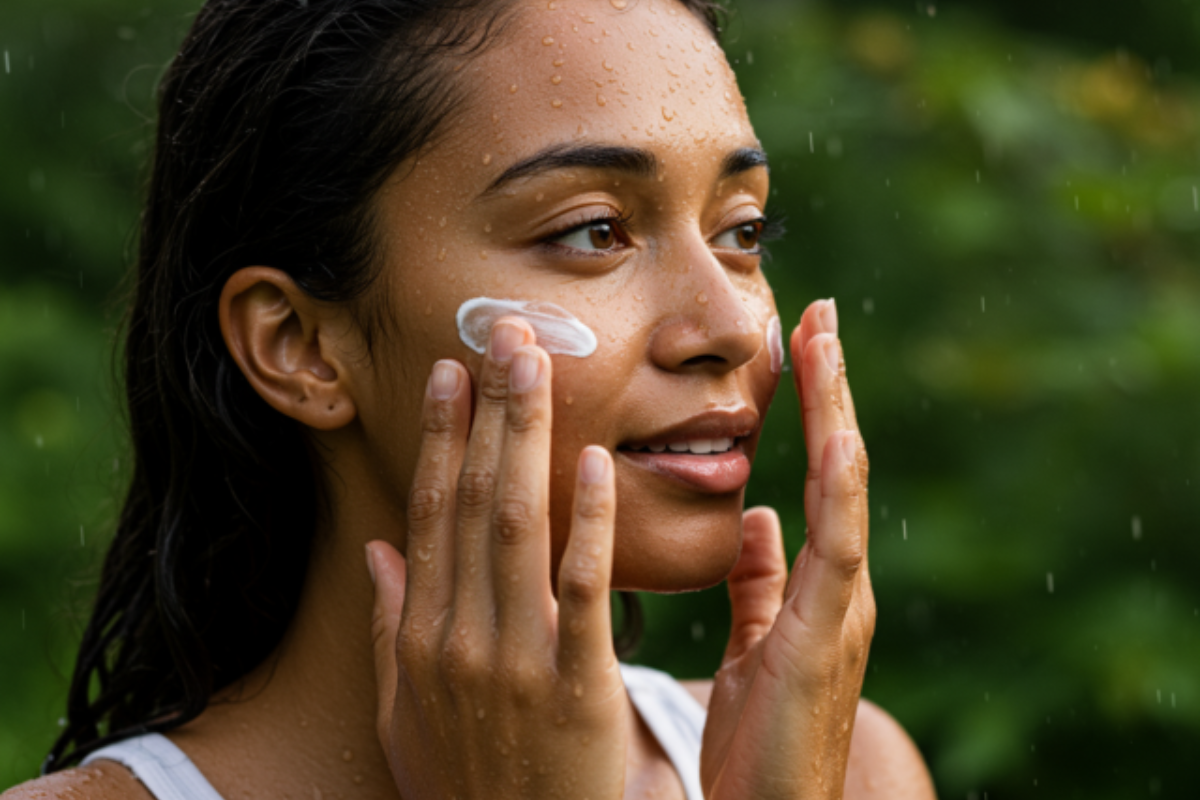
Spring in Vancouver can fool you.
One day feels soft and mild. The next is cold, rainy, and windy enough to make your cheeks sting on the walk home. Add longer daylight, stronger UV, leftover indoor heating, and the start of allergy season, and your skin has a lot to deal with in a short stretch of time.
That’s why spring skincare matters more than people think. Winter is obviously harsh, so most of us pay attention then. Spring seems gentler, but it asks for a different kind of adjustment. Skin that was dry and dull in February can suddenly become dehydrated, reactive, or congested in April. A routine that worked all winter may start feeling too heavy, too stripping, or just wrong.
The good news is you probably do not need a total reset. A few smart changes can help your skin handle the season better. Think lighter hydration, steady sun protection, and a little more attention to barrier health.
Here are 10 spring skincare tips that make sense for Vancouver’s damp, unpredictable weather.
Why spring skin behaves differently in Vancouver
Before getting into the tips, it helps to know what’s changing.
In spring, humidity usually rises compared with winter, but your skin can still feel dry because temperature swings are hard on the barrier. You might spend part of the day in cool wind and drizzle, then move into a heated office, then sit in direct sun on a patio. That constant back-and-forth can leave skin confused and easily irritated.
Vancouver also gets plenty of cloudy days, and that makes people underestimate sun exposure. UV still reaches your skin through clouds, especially the UVA rays linked with premature aging and pigmentation. Spring pollen can also trigger redness around the eyes, nose, and cheeks, especially if your skin already leans sensitive.
So yes, spring is prettier than winter. But your skin still needs backup.
1. Hydrate from the inside out
Let’s start with the boring advice that people ignore because it’s boring. Drink enough water.
No, water alone will not magically give you perfect skin. That claim gets repeated too often. But being under-hydrated can show up fast in spring, especially if you’re more active, walking outside more, or drinking extra coffee because the mornings still feel grey.
A simple rule is to pay attention to thirst, energy, and how your skin feels after cleansing. If your face feels tight and your lips are always dry, your body may be asking for more fluids. Foods help too. Cucumbers, oranges, berries, soups, yogurt, and leafy greens all contribute to hydration.
If you exercise or spend time outdoors on warmer days, think beyond plain water sometimes. Meals with potassium and sodium, or hydrating foods with minerals, can help you hold onto fluid better.
Your skin is an organ, not a separate project. It usually reflects the basics first.
2. Boost hydration with skincare, not just heavier products
Many people respond to dry-feeling skin by reaching for the thickest cream they own. Sometimes that works. Sometimes it just sits there.
Spring is often the moment to shift from heavy winter occlusives to layered hydration. That means using ingredients that draw in water and support the barrier, then sealing them in with a moisturizer that matches your skin type.
Look for formulas with:
-
glycerin
-
hyaluronic acid
-
panthenol
-
ceramides
-
squalane
-
colloidal oatmeal for sensitive skin
A good trick is to apply hydrating serums or essences on slightly damp skin, then follow with moisturizer before everything dries down completely. That small change can make a bigger difference than buying a whole new shelf of products.
If your skin feels oily on the surface but tight underneath, don’t assume you need less moisture. That combo often points to dehydration, and spring weather can bring it out.
3. Exfoliate gently for a fresher glow
Winter can leave a layer of dead skin cells that makes your face look dull, rough, or uneven. Gentle exfoliation can help, especially if your skincare products seem to stop absorbing well.
The important word here is gentle.
You do not need to scrub your face until it feels “clean.” Honestly, that usually makes things worse. Over-exfoliation can damage the barrier, cause redness, and leave skin more sensitive to sun, wind, and active ingredients.
For most people, one to three times a week is enough, depending on the product and your skin’s tolerance. Good spring options include:
-
lactic acid for dry or sensitive skin
-
mandelic acid for acne-prone or reactive skin
-
salicylic acid if you deal with congestion or oiliness
-
enzyme exfoliants if acids feel too strong
If your skin stings when you apply moisturizer, back off. That’s not your skin “purging.” That’s your skin asking for a break.
A healthy glow usually comes from consistency, not aggression.
4. Consider a professional facial if your skin feels stuck
Sometimes home care does the job. Sometimes your skin needs a reset.
Spring is a common time for people to notice lingering dryness, uneven texture, clogged pores, or post-winter dullness that won’t budge. A professional facial can help, especially if you’re not sure what your skin actually needs anymore. This is where a good treatment can feel like practical skin rejuvenation, not just a treat.
A licensed provider can assess whether your skin is dehydrated, congested, inflamed, or simply overworked by too many products. That matters, because those issues can look similar in the mirror and need different solutions.
If you go to a beauty clinic or skincare professional, ask clear questions:
-
What is this treatment meant to improve?
-
Is it safe for sensitive skin?
-
Will it increase sun sensitivity?
-
What aftercare should I follow?
Spring is not the best time to get casual about strong peels if you’re about to spend more time outside. Light, supportive treatments often make more sense than dramatic ones.
5. Never skip SPF, even on grey Vancouver mornings
This is the tip that deserves its reputation. Daily SPF matters. Yes, even in Vancouver. Especially in spring.
Cloud cover does not block all UV radiation, and UVA is the sneaky one. It penetrates clouds, reaches skin year-round, and contributes to pigmentation and early signs of aging. If you’re using exfoliants, retinoids, or brightening products, sun protection matters even more.
Aim for a broad-spectrum sunscreen with SPF 30 or higher every morning. If you’re outside for longer periods, reapply every two hours, or sooner if you sweat a lot or wipe your face.
If sunscreen feels greasy, chalky, or irritating, the answer is not to give up. It’s to find one you’ll actually use. Gel creams, fluid sunscreens, mineral formulas, and tinted options all have their fans. I’m less interested in the “best” sunscreen than the one that becomes automatic.
And don’t forget the easy-to-miss spots: ears, neck, chest, and the backs of hands.
6. Protect your lips before they get angry
Spring wind plus leftover winter dryness is rough on lips. Add the habit of licking them when they feel dry, and you’ve got a cycle that’s annoying and hard to break.
Lips have a thinner barrier than much of the rest of your face, so they lose moisture fast. A plain, protective balm usually works better than something heavily fragranced or full of minty “tingle” ingredients. Those can feel nice for thirty seconds and irritating after that.
Look for balms with petrolatum, shea butter, lanolin, beeswax, or ceramides if you tolerate them. If you’re outside a lot, use a lip product with SPF too. Sun damage on the lips is real and easy to overlook.
If your lips are peeling constantly, skip scrubs for a while. Softening them with a balm or ointment overnight usually helps more than rubbing them raw in the name of smoothness.
7. Refresh your skincare routine instead of copying your winter routine
Spring is a transition season, so your routine should transition too.
That doesn’t mean throwing everything out. It means editing. A cleanser that felt fine in January may feel stripping now. A heavy night cream may start clogging your pores. A lightweight gel moisturizer that felt useless in winter may suddenly be perfect.
A simple spring routine often looks like this:
Morning
Gentle cleanse, hydrating serum, moisturizer, sunscreen.
Night
Cleanse, treatment if needed, moisturizer.
That’s it. You can absolutely add more, but you do not have to.
This is also a good time to check expiration dates, toss products that irritate you, and stop layering actives just because social media made it sound normal. If you want to try something new, patch test first and introduce one product at a time.
Skin rarely likes chaos. Mine definitely doesn’t.
8. Embrace your natural skin instead of chasing “perfect” skin
Spring has a way of making people want a full transformation. More glow. Less texture. No redness. No pores. Completely even tone. It’s a tempting fantasy, and it usually ends in overdoing things.
Real skin changes with weather, hormones, sleep, stress, and allergies. Some mornings it looks clear and calm. Some mornings it looks tired. That is normal.
There’s something useful, not just sentimental, about embracing your natural skin in this season. When you stop treating every tiny bump or patch of redness like an emergency, you make better decisions. You use fewer harsh products. You give treatments time to work. You focus on barrier health, which is usually the part that needs help anyway.
If makeup is part of your routine, spring can be a nice time to go lighter if that feels good to you. Tinted sunscreen, a bit of concealer, cream blush, done. But if you love full makeup, wear it. “Natural beauty” does not have to mean less effort. It can just mean less war with your own face.
9. Feed your skin with nutrients that actually help
Skincare matters, but skin is built from what your body has available.
You do not need a complicated diet for better skin. You do need enough protein, healthy fats, vitamins, and minerals. Spring produce makes this easier. Berries, citrus, leafy greens, bell peppers, carrots, and herbs all bring useful antioxidants and vitamin C, which supports collagen production.
A few nutrients worth paying attention to:
-
omega-3 fats from salmon, sardines, walnuts, flax, or chia
-
vitamin C from citrus, kiwi, strawberries, and peppers
-
vitamin E from nuts and seeds
-
zinc from beans, seafood, meat, pumpkin seeds, and whole grains
-
protein from whatever sources fit your diet
If your eating patterns get thrown off in busy weeks, your skin often notices. Dullness, slower healing, and more irritation can follow.
I’m cautious about claiming any single food gives you glowing skin. That’s usually oversold. But a steady, varied diet does support the systems your skin depends on.
10. Get outside, move your body, and let your skin benefit from the basics
One of the better parts of a Vancouver spring is that people start going outside again. Walks get longer. Patios fill up. The city feels more awake. Your skin tends to like that too, as long as you protect it.
Fresh air, movement, and stress relief can help with circulation, sleep, and overall well-being, which often shows up in your face in a very unglamorous but real way. You look better when you feel better. There’s no magic in that. It’s just true.
A few smart habits make outdoor time easier on your skin:
-
wear sunscreen every day
-
use a light moisturizer before windy walks
-
rinse or cleanse after sweating heavily
-
wash pollen off your face and hair if allergies flare
-
wear sunglasses to protect the eye area
-
drink water before you feel thirsty
If you’re trying to “sweat out” skin problems, though, I’d let that idea go. Sweat doesn’t detox your skin. It can even irritate some people if it sits too long. Enjoy the walk. Then wash your face.
A simple way to think about spring skincare
If I had to sum up spring skincare in one sentence, it would be this: lighten up, but don’t let your guard down.
Use lighter layers if winter products now feel heavy. Keep hydration steady. Exfoliate with restraint. Wear sunscreen whether the sky looks dramatic or not. Pay attention to lips, allergies, and barrier repair. And if your skin feels persistently irritated, congested, or hard to read, get professional advice instead of guessing for months.
Vancouver spring is beautiful, but it’s not consistent. Your routine shouldn’t be rigid either.
A little flexibility goes a long way, and your skin usually tells you when you’ve found the right balance.